Water Heater Maintenance Tips Every Woodbine Homeowner Should Know

Water Heater Maintenance Tips Every Woodbine Homeowner Should Know

Your water heater works hard every day, heating water for showers, laundry, dishwashing, and cleaning. In Woodbine, where winters are cold and water heater demand is high, proper maintenance extends the life of your unit and keeps it running efficiently. Most homeowners overlook water heater maintenance until something breaks.

Basic maintenance prevents costly repairs and emergency replacements. Mallick Plumbing & Heating helps Woodbine homeowners keep water heaters in peak condition with simple, affordable maintenance tasks you can do yourself and professional services we provide.

Why Water Heater Maintenance Matters

A well-maintained water heater lasts 10 to 15 years or longer. Without maintenance, the same heater might fail after 6 to 8 years. That’s a difference of thousands of dollars in replacement costs, not to mention the inconvenience of cold showers when your heater breaks in winter.

Maintenance also improves efficiency. Sediment buildup inside the tank makes the heater work harder, wasting energy and increasing your utility bills. Regular flushing removes this buildup and keeps your heater efficient.

Flush Your Water Heater Annually

Sediment—minerals and debris—settles on the bottom of your tank. Over time, this layer thickens and insulates the heating element from the water, making it work harder. Flushing removes sediment and restores efficiency.

To flush your water heater, turn off power (electric) or gas, turn off the cold water supply, attach a hose to the drain valve at the tank’s bottom, and let water flow into a bucket or out to a drain. Drain a few gallons until water runs clear. This flushes most sediment. We recommend professional flushing if you’re not comfortable doing it yourself.

Inspect the Pressure Relief Valve

The temperature and pressure relief (TPR) valve is a critical safety device. If pressure or temperature inside the tank gets too high, the TPR valve opens and releases water to prevent the tank from rupturing. If this valve fails, your water heater could explode.

Check the TPR valve annually by lifting the lever—you should see a brief burst of hot water. If nothing comes out or water continues running, the valve needs replacement. Never ignore a faulty TPR valve. We replace them quickly and inexpensively compared to tank replacement.

Check the Anode Rod Regularly

The anode rod is a metal rod inside your tank that corrodes intentionally to protect the tank itself. Over time, the anode rod dissolves. Once it’s gone, the tank starts rusting and will develop leaks within a few years.

Inspecting the anode rod every few years shows you its condition. If it’s mostly corroded, we replace it. A new anode rod costs $100 to $200 and extends your water heater’s life by several years. It’s one of the cheapest maintenance tasks you can do.

Insulate Pipes and Tank

Heat escapes through uninsulated pipes and tanks. In Woodbine winters, this means your heater works extra hard to maintain temperature. Wrapping your water heater tank and hot water pipes with insulation reduces heat loss by 20 to 40 percent.

Tank blankets and pipe wrap cost $20 to $50 and pay for themselves in lower energy bills within a year. They’re simple to install and don’t require professional help. As a bonus, better insulation means more hot water reaches your shower before cooling down.

Maintain Proper Water Temperature

Setting your water heater to 120°F is ideal. Hotter temperatures like 140°F waste energy and increase risk of scalding. Most manufacturers preset heaters to higher temperatures, so checking and adjusting is worth doing.

Lower temperature also extends tank life by reducing stress on internal components. Find the thermostat dial on your heater and adjust it if needed. If you can’t find it or feel uncomfortable adjusting it, we do this quickly during a service visit.

Install a Drip Pan

Your water heater tank sits on a floor or in a basement. When the tank leaks or the TPR valve releases water, that water drains to your foundation or basement. A drip pan under the tank catches this water before it causes damage.

Metal or plastic drip pans cost $20 to $50. Installing one is simple—just slide the tank onto the pan. Better yet, connect the pan’s drain to a floor drain or direct it outside. This prevents water from pooling under your heater.

Protect From Frozen Pipes in Winter

Woodbine winters are cold. Water heaters in unheated spaces like crawl spaces or garages can freeze during extreme cold. If your heater is in a vulnerable location, insulate the supply and drain pipes and consider a heater blanket.

If temperatures drop below freezing for extended periods, let water drip slowly from hot taps. This prevents pipes from freezing. If a pipe does freeze, call us before attempting to thaw it yourself—improper thawing can damage pipes.

Monitor Water Heater Age

Most water heater tanks last 8 to 12 years. Check your heater’s age by finding the manufacture date on the nameplate. The date code is usually in the first part of the serial number. If your heater is 10+ years old, budget for replacement soon.

Older heaters are more likely to develop leaks and fail. Planning replacement before failure prevents emergency situations. We help you choose a new heater and arrange installation before your old one breaks.

Listen for Warning Signs

Strange noises like popping, rumbling, or knocking indicate sediment buildup. Reduced hot water, rusty water, or a smell like rotten eggs point to tank problems. These warning signs mean maintenance is overdue.

The sooner you address these issues, the better. Regular maintenance prevents them from developing. If you’re hearing strange noises, professional flushing will likely solve the problem.

Frequently Asked Questions

How often should I flush my water heater?

At least once per year, more often if you have hard water or older plumbing. Annual flushing keeps sediment from accumulating and maintains efficiency. In Woodbine, we recommend spring or fall flushing before intense heating demand seasons.

Can I flush my water heater myself?

Yes, if you’re comfortable with basic plumbing tasks. Turn off power and water, attach a hose to the drain valve, and let water run clear. However, professional flushing ensures the job is done completely. We’ll flush your heater and inspect it at the same time.

What does a water heater maintenance service include?

Professional maintenance includes tank flushing, TPR valve testing, anode rod inspection, temperature adjustment, and overall health assessment. We’ll let you know if any parts need replacement or if your heater is approaching end of life.

Keep Your Woodbine Water Heater Running Strong

Simple maintenance keeps your water heater efficient and extends its life by years. Mallick Plumbing & Heating provides professional water heater maintenance and repair throughout Woodbine, Gaithersburg, and Frederick. We flush tanks, test safety valves, replace anode rods, and help you plan for replacement when needed. Schedule your water heater maintenance today and enjoy reliable hot water all year.

Common Plumbing Problems in Older Gaithersburg Homes

Common Plumbing Problems in Older Gaithersburg Homes

Older homes have charm and character, but they often have plumbing problems that newer construction doesn’t face. In Gaithersburg, many homes built before the 1980s have original plumbing systems that are worn out, deteriorating, or simply not designed for modern water usage.

Understanding these common issues helps you spot problems early and avoid expensive emergency repairs. Mallick Plumbing & Heating works on older Gaithersburg homes regularly. We know what to look for and how to fix plumbing problems that older construction develops over time.

Corroded or Deteriorating Pipes

Older homes in Gaithersburg often have galvanized steel pipes installed 40 to 60 years ago. Galvanized pipes corrode from the inside out, creating rust and mineral buildup that reduces water flow and water quality. You’ll notice rust-colored water, reduced water pressure, or leaks developing in walls or under the home.

Replacing old galvanized pipes is not cheap, but it’s necessary to prevent burst pipes and water damage. Modern copper or PEX pipes last longer and don’t corrode the same way. If your Gaithersburg home was built before 1980 and still has original galvanized lines, replacement is probably in your future.

Outdated Cast Iron Drain Lines

Old homes have cast iron sewer and drain lines that are prone to corrosion and cracking. Cast iron drain pipes fail after 50 to 75 years. In older Gaithersburg homes, the original cast iron is probably already compromised.

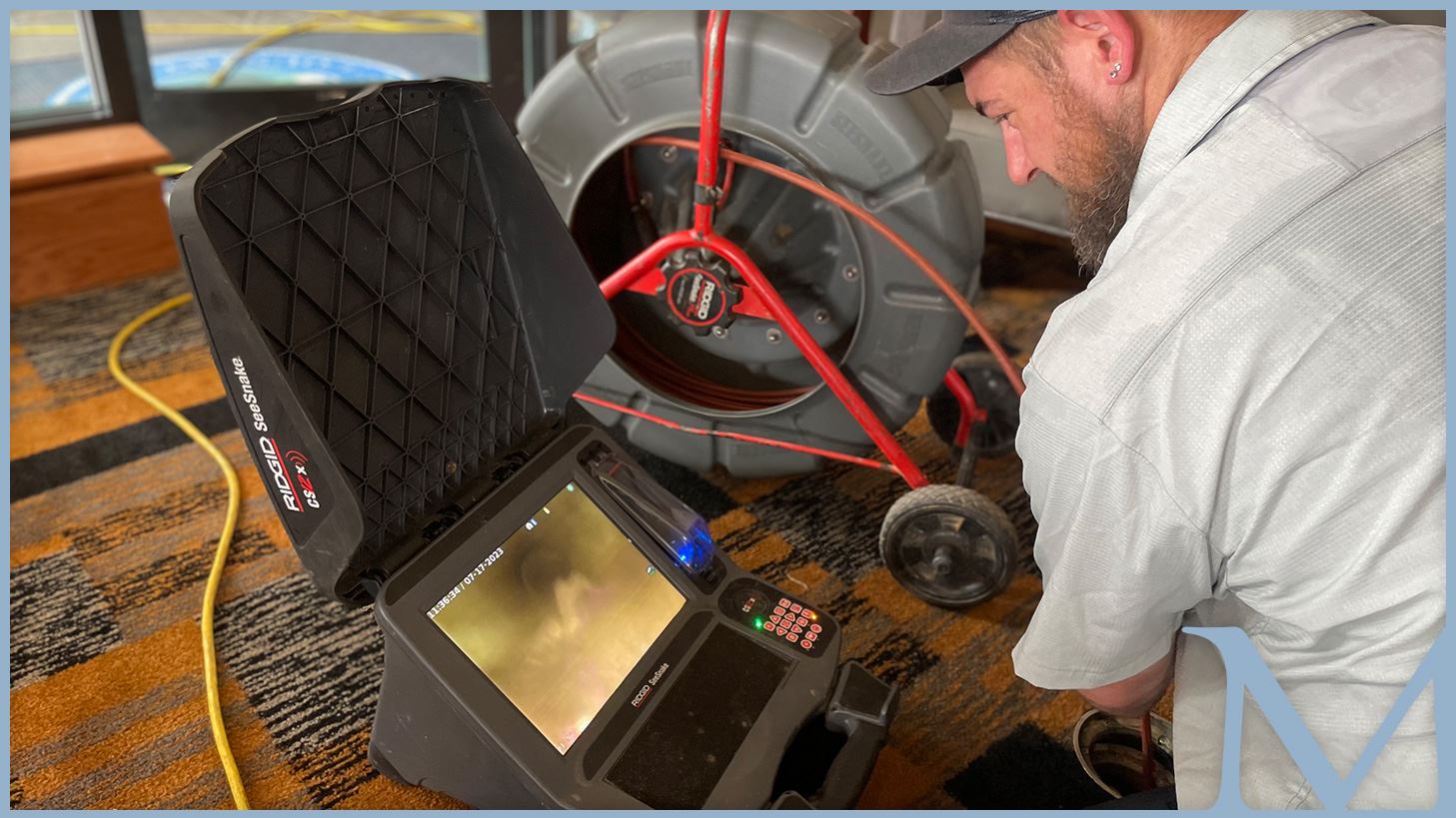
Signs of failing drain lines include slow drains throughout the home, frequent backups, gurgling sounds from pipes, or wet spots in the yard. Tree roots grow into cracks in old cast iron lines, and moisture in crawl spaces accelerates decay. We use camera equipment to inspect pipes before you commit to expensive replacement.

Inadequate Water Pressure

Older homes weren’t designed for the water usage of modern families. With corroded pipes and smaller diameter lines, water pressure drops when multiple fixtures run at once. You get a trickle from the shower while the dishwasher runs.

Low pressure can also result from shutoff valves stuck partially closed, sediment buildup in pipes, or leaks you haven’t discovered yet. We trace the problem and either clear buildup, replace old valves, or recommend line replacement if corrosion is too severe.

Outdated Plumbing Vents

Plumbing vent systems remove sewer gases from drain lines. Older homes sometimes have single vents or undersized vents that can’t handle modern drainage. You’ll notice slow drains, sewer smells, or gurgling when water drains.

Roof vents also deteriorate and leak. The rubber boots around vents crack and allow water to seep into attics and walls. Checking your home’s venting system and making repairs prevents both drainage problems and roof leaks.

Galvanic Corrosion from Dissimilar Metals

When copper pipes connect to galvanized steel fittings or iron, galvanic corrosion occurs. The dissimilar metals react chemically and corrode faster than they would alone. This is common in older Gaithersburg homes where repairs mixed old and new materials.

You can’t see galvanic corrosion happening, but it causes pinhole leaks in pipes. These tiny leaks develop suddenly and are hard to spot until water damage appears. Replacing mixed-metal connections prevents future problems.

Poor Water Heater Installation

Older water heaters weren’t vented or supported the way modern code requires. You might see undersized venting, improper slope on drain lines, or no drip pan beneath the heater. These installation shortcuts create safety hazards and aren’t up to current building standards.

If your old water heater needs replacement, we ensure the new installation meets current code. This means proper venting, drip pan, pressure relief valve, and shutoff. Code-compliant installation is safer and longer-lasting than old-style setups.

Inadequate Shut-Off Valves

Older homes often have a single main shutoff valve for the entire house. If a pipe leaks, you have to shut off water to everything while fixing that one line. Modern homes have individual shutoff valves at each fixture, allowing you to isolate problems.

Adding shutoff valves under sinks, behind toilets, and at the water heater prevents water damage from spreading. During renovations or repairs, we install new valves to give you better control.

Hard Water Buildup in Old Pipes

Mineral buildup from hard water collects inside old pipes over decades. Calcium and magnesium deposits narrow pipe interiors, restricting water flow. You notice declining water pressure and can’t increase it by adjusting the main valve.

A whole house water filter and softener can slow future buildup, but severely clogged old pipes often need replacement. The good news is modern PEX and copper pipes resist mineral buildup much better than galvanized steel.

Freeze Damage in Winter

Older Gaithersburg homes sometimes have water lines running through uninsulated crawl spaces or attics. During cold snaps, these pipes freeze and burst. If your home is 40+ years old and you haven’t experienced freeze damage, you’re lucky—but you’re still at risk.

We inspect vulnerable pipes and add insulation before winter arrives. If a pipe does freeze, we thaw it carefully and repair any damage. Preventing freeze damage is much cheaper than fixing burst pipes and water damage.

When to Plan for Major Repairs

If your Gaithersburg home is older than 50 years and has the original plumbing, budgeting for replacement should be in your plans. You don’t have to do everything at once—phased replacement over several years is common. Start with the most critical systems like main water lines and sewer lines, then work toward secondary issues.

Frequently Asked Questions

How do I know if my old pipes need replacement?

Signs include rust-colored water, frequent leaks, low water pressure, or visible corrosion on exposed pipes. If your home is older than 50 years with original plumbing, replacement is likely coming. We inspect pipes and give you a realistic timeline.

Is pipe replacement an all-at-once project?

No. You can replace the main water line first, then do bathroom and kitchen lines later. Prioritize based on where you see problems or feel most concerned. We help plan the sequence based on your home’s condition and budget.

What’s the best modern pipe material?

Copper is durable and long-lasting (50+ years). PEX is flexible, less expensive, and easier to install. Both resist corrosion far better than galvanized steel. For Gaithersburg homes, we typically recommend copper for main lines and PEX for branch lines.

Protect Your Older Gaithersburg Home

Older homes need special attention to plumbing. Mallick Plumbing & Heating specializes in work on older Gaithersburg properties. We identify problems, explain your options, and complete repairs and replacements that keep your home safe and functional. Call us to schedule an inspection of your plumbing system and plan for repairs before emergencies happen.

How to Choose a Water Filtration System in Frederick MD

How to Choose a Water Filtration System in Frederick MD

The water coming from your tap in Frederick, Maryland might look clear, but it often contains dissolved minerals, chlorine, sediment, and contaminants you can’t see. A water filtration system removes these impurities, giving you cleaner, better-tasting water throughout your home.

Choosing the right filtration system depends on knowing what’s in your water and what problems you want to solve. Not all filters work the same way, and not all systems fit every home. Mallick Plumbing & Heating helps Frederick homeowners select and install water filtration that matches their specific needs and budget.

First, Get Your Water Tested

Before buying any filtration system, test your water. The Frederick water department provides basic water quality reports, but a more detailed test shows exactly what contaminants are present. Testing costs $100 to $300 and gives you concrete data about what you’re dealing with.

Tests reveal dissolved minerals like calcium and magnesium (hardness), chlorine levels, sediment, bacteria, nitrates, iron, and sulfur. Once you know what’s in your water, you can choose filtration that targets those specific problems instead of buying a system that filters out things that aren’t even there.

Common Water Problems in Frederick

Frederick’s water comes from wells and surface sources. The most common issues are moderate water hardness from mineral content and chlorine from municipal treatment. Some homes near rural areas have iron, sediment, or sulfur problems. Understanding your specific situation is the first step to choosing the right filter.

Types of Water Filtration Systems

Pitcher and Faucet-Mount Filters

The cheapest option, pitcher filters like Brita or Pur cost $20 to $50 and need cartridge replacement every 2 to 3 months. Faucet-mount filters attach directly to your tap and cost $30 to $60. Both are great for removing chlorine taste and basic sediment, but they only treat water at one tap and require frequent cartridge changes.

These work fine if you only want better drinking water at the kitchen sink. They won’t solve problems with your whole house or reduce water hardness affecting your pipes and appliances.

Under-Sink Filters

Under-sink systems install beneath your kitchen sink and treat all water at that single tap. They cost $200 to $600 plus installation and use replaceable cartridges. These systems remove sediment, chlorine, and some chemicals, giving you cleaner drinking and cooking water at one location.

The downside is they only serve one sink. Your shower, bathroom taps, laundry, and other fixtures still get untreated water. In Frederick, if hard water is your main problem, an under-sink filter won’t help your whole-house needs.

Whole House Water Filtration

A whole house water filter treats all water entering your Frederick home before it reaches any tap, shower, or appliance. These systems install at the main water line where water enters your home and cost $1,000 to $3,000 installed. They use large filter cartridges that last 6 to 12 months depending on water quality.

Whole house filters remove sediment, chlorine, taste and odor, and some reduce mineral content. They protect your water heater, dishwasher, washing machine, and all plumbing fixtures from sediment and damage. If water hardness is an issue, you can pair a filter with a water softener.

Water Softeners

Water softeners specifically address hardness caused by dissolved minerals. They use ion exchange to swap calcium and magnesium molecules for sodium, producing softer water that lathers better, rinses cleaner, and protects your pipes and appliances.

Softeners cost $1,500 to $3,000 installed and need salt refilling every 6 to 8 weeks. They’re an excellent solution for Frederick homes with hard water. Many homeowners pair a softener with a whole house filter to get both sediment removal and hardness reduction.

Reverse Osmosis (RO) Systems

RO systems force water through a membrane to remove dissolved solids, chemicals, and most contaminants. They produce extremely pure water and cost $1,500 to $4,000 installed. The downside is they produce wastewater—for every gallon of filtered water, 2 to 3 gallons go down the drain.

RO systems are excellent for removing specific contaminants found in test results but are overkill for basic filtration. They’re best paired with a whole house filter to extend membrane life and reduce wastewater.

Choosing What’s Right for Your Frederick Home

Start by testing your water. That data tells you what to filter. If your main complaint is taste and chlorine smell at the kitchen sink, a pitcher or under-sink filter works. If you have hard water affecting your entire home, a softener plus whole house filter is the answer.

For most Frederick homes, a whole house filter combined with a softener provides excellent results. The whole house filter removes sediment and improves taste throughout your home, and the softener reduces hardness that damages water heaters and appliances.

If test results show specific contaminants like bacteria, nitrates, or heavy metals, an RO system may be needed. We can evaluate your test results and recommend the most cost-effective combination of systems.

Maintenance and Filter Changes

All filtration systems require maintenance. Pitcher filters need monthly cartridge changes. Whole house filters need replacement every 6 to 12 months depending on water quality. Water softeners need salt refilling every 6 to 8 weeks. RO membranes last 2 to 3 years before replacement.

Budget for these ongoing costs when choosing a system. Some homeowners set up automatic filter delivery services to make maintenance easier. Others call Mallick Plumbing for routine service appointments.

Frequently Asked Questions

How much does a whole house water filter cost?

Whole house water filtration systems range from $1,000 to $3,000 installed, depending on the quality of the filter and your home’s specific water needs. Initial cost includes the system, plus installation labor and permit fees where required.

Is a water softener different from a water filter?

Yes. Water filters remove sediment, chlorine, and taste issues. Water softeners remove minerals causing hardness. Most Frederick homes benefit from both—a filter for overall water quality and a softener to protect appliances from hard water damage.

How often do filter cartridges need replacement?

Whole house filter cartridges typically last 6 to 12 months. Pitcher filters need monthly changes. RO membranes last 2 to 3 years. Replacement frequency depends on water quality and how much water your household uses.

Get Your Frederick Water Tested and Filtered

Mallick Plumbing & Heating helps Frederick homeowners understand their water quality and choose the right filtration system. We test water, recommend solutions, and install whole house filters and water softeners that work. Better water means cleaner laundry, better tasting drinking water, and longer-lasting appliances. Call us to schedule your water test and find out which filtration system is right for your home.

Tankless vs Tank Water Heaters: Which Is Right for Your Maryland Home

\n

Tankless vs Tank Water Heaters: Which Is Right for Your Maryland Home

\n\n\n\n

When your water heater reaches the end of its life, you face a choice: replace it with a traditional tank model or switch to a tankless system. Both have real advantages and drawbacks. The right choice depends on your hot water needs, home size, and budget.

\n\n\n\n

Mallick Plumbing & Heating helps homeowners in Gaithersburg, Frederick, and Woodbine make this decision by explaining how each system works and what to expect over time. Let’s walk through the pros and cons so you can choose the best water heater for your Maryland home.

\n\n\n\n

How Traditional Tank Water Heaters Work

\n\n\n\n

A traditional tank water heater stores 40 to 50 gallons of hot water that stays heated and ready to use. Cold water enters the tank, gets heated by a gas burner or electric element, and stays hot until you open a tap. The tank keeps water warm even when nobody’s using it.

\n\n\n\n

Tank heaters are simple, affordable, and easy to repair. Most plumbers can fix them quickly with common replacement parts. The downside is that if your household runs out of hot water, you have to wait 30 to 40 minutes for the tank to heat up again.

\n\n\n\n

How Tankless Water Heaters Work

\n\n\n\n

A tankless water heater heats water on demand. When you turn on a hot tap, water flows through a heat exchanger that warms it instantly—no storage tank needed. The system shuts off when you turn off the tap.

\n\n\n\n

Tankless units never run out of hot water and use less energy than tank models because they don’t keep water heated when nobody’s using it. The trade-off is higher upfront cost and the need for professional installation and regular maintenance to keep the unit working properly.

\n\n\n\n

Tank Water Heater Advantages

\n\n\n\n

Lower upfront cost is the main reason most homeowners choose tank heaters. A new tank model costs $400 to $800, while installation adds another $500 to $1,000. That’s much cheaper than a tankless system.

\n\n\n\n

Tank heaters also work with any plumbing setup in your Frederick or Gaithersburg home. They don’t require special venting or upgraded gas lines. When something breaks, fixing it is usually straightforward and inexpensive. Replacement parts are widely available, and many plumbers stock them.

\n\n\n\n

For families with normal hot water needs, a tank heater provides reliable, consistent performance. You get the hot water you need without worrying about flow rate or complex maintenance.

\n\n\n\n

Tank Water Heater Disadvantages

\n\n\n\n

Tank heaters waste energy keeping water hot 24 hours a day, even when nobody’s home. Your heating bill stays higher than it needs to be. Over 10 years, this energy waste costs hundreds of dollars.

\n\n\n\n

They also take up significant space in your basement or utility closet. If you have a small home or want to reclaim storage space, a tank is a disadvantage. Tank heaters typically last 8 to 12 years, so you’ll face replacement costs multiple times over your home’s life.

\n\n\n\n

Tankless Water Heater Advantages

\n\n\n\n

Energy savings are the biggest advantage of a tankless system. Because it only heats water when you need it, your utility bills drop by 20 to 30 percent compared to a tank model. Over time, this savings can offset the higher initial cost.

\n\n\n\n

Tankless units provide unlimited hot water, which is great for busy families in Woodbine or multi-story homes. You never run out mid-shower. The compact size takes up minimal space, making it ideal for homes where storage is tight.

\n\n\n\n

These systems last 15 to 20 years—longer than tank models—which means fewer replacements over your home’s lifetime. If you plan to stay in your Maryland home long-term, the longevity is a real benefit.

\n\n\n\n

Tankless Water Heater Disadvantages

\n\n\n\n

Installation cost is high. Expect to pay $1,500 to $3,000 for the unit plus $1,000 to $2,000 for professional installation. Your home may need upgraded gas lines, new venting, or electrical work to support the tankless unit.

\n\n\n\n

Tankless heaters have a maximum flow rate. If two people shower at the same time while someone runs hot water in the kitchen, the system may not keep up. You get lukewarm water instead of hot water.

\n\n\n\n

These systems also need annual professional servicing to prevent mineral buildup, especially in areas with hard water. Maryland water has moderate mineral content, so you’ll need regular flushing to keep the unit efficient. If something breaks, repair costs are higher because the parts are specialized and harder to source.

\n\n\n\n

Cost Comparison Over Time

\n\n\n\n

A tank water heater costs $900 to $1,800 for the unit plus installation. Over 12 years, you’ll replace it once, so total cost is around $1,800 to $3,600. Add energy costs of roughly $150 to $200 per year, and total 12-year cost is about $3,600 to $5,200.

\n\n\n\n

A tankless system costs $2,500 to $5,000 installed. Over the same 12 years, you won’t need replacement. Energy costs drop to $100 to $150 per year. Total 12-year cost is roughly $3,700 to $6,800. The gap narrows when you factor in energy savings, and tankless wins over 15+ years.

\n\n\n\n

Which One Should You Choose?

\n\n\n\n

Choose a tank water heater if you want lower upfront cost, simple maintenance, and easy repairs. Tank models work well for average families with standard hot water needs.

\n\n\n\n

Choose a tankless system if you want to lower your energy bills, have a large family needing lots of hot water, or are willing to invest more upfront for long-term savings. Tankless is especially good if you value unlimited hot water and have limited space.

\n\n\n\n

Frequently Asked Questions

\n\n\n\n

How long do water heaters last?

\n\n\n\n

Tank water heaters typically last 8 to 12 years. Tankless systems last 15 to 20 years with proper maintenance. Hard water and mineral buildup can shorten lifespan, so water heater maintenance matters.

\n\n\n\n

Can I convert from tank to tankless?

\n\n\n\n

Yes, you can upgrade to a tankless system, but your home may need modifications. Gas lines might need upgrading, venting will change, and electrical work may be required. We assess your Gaithersburg home’s setup before recommending a tankless system.

\n\n\n\n

Are tankless water heaters worth the investment?

\n\n\n\n

If you plan to stay in your home for 10+ years and want to reduce energy bills, tankless systems pay for themselves. The long lifespan and lower operating costs make them worthwhile for long-term homeowners.

\n\n\n\n

Let Mallick Plumbing Help You Decide

\n\n\n\n

Both tank and tankless water heaters have their place. The best choice depends on your home, family size, budget, and goals. Mallick Plumbing & Heating provides water heater installation throughout Maryland, including Gaithersburg, Frederick, and Woodbine. We’ll assess your home, explain your options, and help you choose the system that makes sense for you. Call us today to discuss your water heater replacement.

Signs You Need Emergency Plumbing Repair in Gaithersburg

Signs You Need Emergency Plumbing Repair in Gaithersburg

When a plumbing problem strikes, you don’t always know if you can wait for a regular appointment or if you need emergency plumbing repair right away. In Gaithersburg, understanding which issues demand immediate attention can save your home from serious damage and costly repairs down the road.

At Mallick Plumbing & Heating, we respond to plumbing emergencies 24 hours a day because we know that pipe disasters don’t happen during business hours. Learning to spot the warning signs helps you make the right call when something goes wrong in your home.

Water Pouring From Your Ceiling or Walls

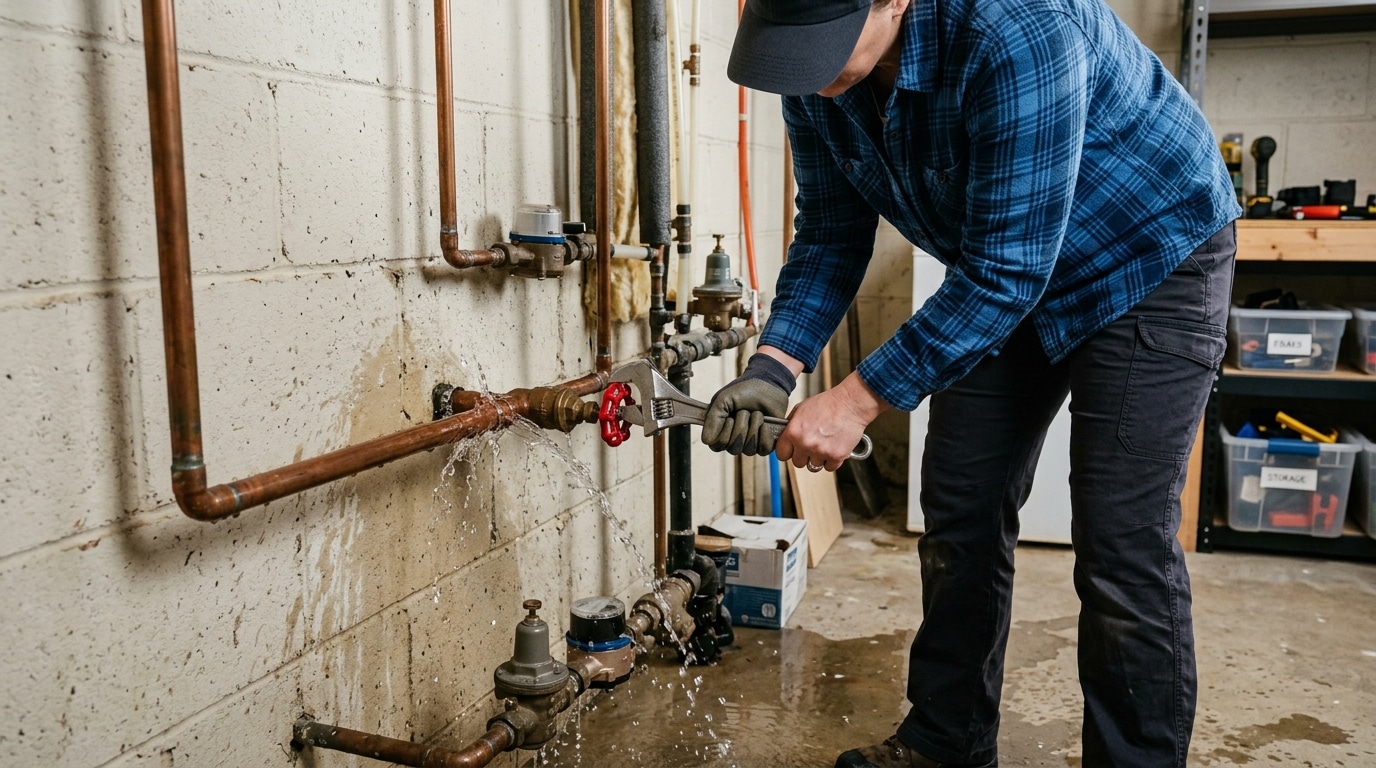
If you see water actively dripping or streaming from your ceiling, walls, or floor, you’re facing an emergency. This usually means a pipe has burst inside your walls or under your house. Water damage spreads quickly, destroying insulation, drywall, and flooring within hours.

The longer you wait, the higher the cost of repairs. Interior pipes in older Gaithersburg homes are especially prone to cracking as they age. Our 24-hour emergency plumbing team in Gaithersburg can locate the leak, shut off water to prevent further damage, and fix or replace the damaged section.

Sewage Backups or Toilet Overflow Issues

Sewage backup is a health hazard that requires immediate attention. If toilets are backing up, drains are gurgling, or you smell raw sewage in your home or yard, your sewer line may be blocked or broken. This isn’t something to ignore or delay.

Sewage can contain harmful bacteria and viruses. Exposure poses serious health risks to your family. Roots from trees in Frederick and Woodbine properties often grow into sewer lines, and frozen pipes can cause complete blockages. We bring camera equipment to identify the exact problem and clear the blockage fast.

No Water in Your Home or Building

Complete loss of water pressure is an emergency whether you have one sink without water or your entire home. A major break in your main water line is costing you money every second—water is flowing into the ground instead of into your pipes.

The problem could also be a frozen main line during cold Maryland winters. If water suddenly stops flowing from all fixtures, call a 24-hour plumber in Gaithersburg immediately. We can shut off the main water valve and track down where your line is damaged.

Gas Smell or Hissing Sounds Near Pipes

A rotten egg or sulfur smell near plumbing fixtures or your water heater could indicate a gas leak. Hissing sounds from pipes suggest pressurized water is escaping from a crack or hole. Both situations are dangerous.

If you suspect a gas leak, leave your home and call your gas company and an emergency plumber. Don’t use electrical switches or create sparks. For water heaters making strange noises, the tank itself could be failing and about to burst. Our emergency plumbing repair service can diagnose water heater problems and install a new unit if needed.

Frozen Pipes or Burst Pipes in Winter

When temperatures drop below freezing, pipes in unheated attics, crawl spaces, and exterior walls can freeze solid. Ice expands inside the pipe and creates pressure that can burst the line. If a pipe bursts, you’ll lose water pressure and water will leak into your walls.

Before winter hits, we recommend insulating exposed pipes in your Gaithersburg home. If a pipe does freeze or burst, let the professionals handle it. We provide emergency pipe repair and replacement, and we can help you plan preventive measures for next winter.

Flooding in Crawl Spaces or Basements

Water pooling in your basement or crawl space may mean a burst pipe, but it also signals foundation issues or failed waterproofing. Either way, standing water in these areas damages your home’s structural integrity and promotes mold growth.

Call immediately to stop the source of the water. We can identify if the problem is plumbing-related and shut off water to prevent more flooding. If we find a burst or cracked foundation drain, we’ll recommend repairs right away.

High Water Bill or Unexplained Wet Spots

A sudden jump in your water bill or wet patches in your yard often mean you have a hidden leak. Even a small pinhole leak wastes thousands of gallons of water per month. The longer you ignore it, the more damage spreads in your yard and the more money you lose.

Call for emergency plumbing repair if you notice these signs. We use leak detection tools to find breaks in underground pipes before they cause sinkholes or structural damage to your foundation.

When to Call Mallick Plumbing & Heating

We’re here 24/7 for emergency plumbing repair in Gaithersburg, Frederick, and Woodbine. Many plumbing emergencies can be prevented with regular maintenance and quick action on small problems. If you’ve noticed any of these warning signs, don’t wait.

Our emergency plumbers arrive quickly, diagnose the problem right away, and fix it before major damage occurs. We work nights, weekends, and holidays because plumbing emergencies don’t follow a schedule.

Frequently Asked Questions

How quickly can emergency plumbers in Gaithersburg respond?

Mallick Plumbing & Heating responds to emergency calls within hours of your phone call, depending on our current workload. We keep emergency appointment slots available throughout the day and night to serve our Gaithersburg community and surrounding areas.

What should I do before the plumber arrives?

Turn off your main water valve immediately if there’s active water pouring into your home. Use your phone to document the damage with photos—this helps your insurance company and our team understand the scope of the problem. If it’s a gas-related issue, exit your home and call emergency services.

Does emergency plumbing repair cost more?

Yes, emergency service calls do include after-hours fees. However, the cost of emergency repair is almost always less than the cost of water damage repairs if you wait. We’ll give you a quote before we start work so there are no surprises.

Call Mallick Plumbing & Heating for 24-Hour Emergency Service

Plumbing emergencies happen when you least expect them. When flooding starts or water stops flowing, you need a local plumber you can trust. Mallick Plumbing & Heating provides emergency plumbing repair in Gaithersburg, Frederick, and Woodbine 24 hours a day, 7 days a week. Call us right away when disaster strikes—we’ll get your plumbing fixed and your home protected.

Hard Water Problems in Frederick County: Solutions & Costs

If you’re a homeowner in Frederick County, Maryland, you’ve likely noticed the telltale signs of hard water: soap scum that won’t budge, spotty dishes, and that uncomfortable feeling after showering. You’re not alone – hard water is a common issue throughout Maryland, and Frederick County is no exception.

At Mallick Plumbing, we’ve helped countless Frederick County residents solve their hard water problems. In this comprehensive guide, we’ll explain what causes hard water in our area, how it affects your home, and most importantly, what you can do about it.

What Is Hard Water?

Hard water contains high concentrations of dissolved minerals, primarily calcium and magnesium. These minerals naturally occur as groundwater passes through limestone, chalk, and gypsum deposits – geological formations common throughout Maryland.

Water hardness is measured in grains per gallon (gpg) or parts per million (ppm):

Hard Water Issues Common in Frederick County

1. Plumbing Problems

Hard water minerals create limescale buildup inside your pipes, leading to:

2. Appliance Damage

Your water-using appliances suffer the most from hard water:

3. Household Inconveniences

Hard water makes daily tasks more difficult:

4. Increased Costs

Hard water hits your wallet in multiple ways:

Frederick County Water Sources and Hardness

Frederick County’s water supply comes from multiple sources, including:

The mineral content varies by location, but many areas in Frederick County experience moderate to hard water conditions due to the region’s geological makeup.

Hard Water Treatment Solutions for Frederick County Homes

1. Water Softening Systems

Ion-Exchange Water Softeners are the most effective solution for hard water:

Cost Range: $1,200 – $3,800 installed (depending on capacity and features)

2. Salt-Free Water Conditioners

For those preferring not to add sodium to their water:

Cost Range: $1,500 – $4,000 installed

3. Reverse Osmosis Systems

For comprehensive water treatment:

Cost Range: $300 – $1,500 for under-sink units

4. Whole-House Filtration Systems

Multi-stage systems that address:

Cost Range: $2,000 – $6,000 installed

Choosing the Right Solution for Your Frederick County Home

Factors to Consider:

  1. Water hardness level (requires testing)
  2. Household size and water usage
  3. Budget for initial investment and ongoing maintenance
  4. Space available for equipment
  5. Environmental preferences (salt vs. salt-free)

Professional Water Testing

Before investing in any treatment system, it’s crucial to test your water. Mallick Plumbing offers comprehensive water testing services that measure:

Installation Costs in Frederick County

Professional installation typically includes:

Typical Installation Costs:

Ongoing Maintenance and Operating Costs

Water Softener Maintenance:

Salt-Free Systems:

Reverse Osmosis:

When to Call Mallick Plumbing

You should consider professional hard water treatment if you notice:

Why Choose Mallick Plumbing for Hard Water Solutions

As Frederick County’s trusted plumbing experts, we offer:

Get Started Today

Don’t let hard water continue damaging your home and affecting your daily life. Contact Mallick Plumbing today for a free water quality assessment and personalized treatment recommendations.

Call us at [Phone Number] or [Schedule Online] to discuss hard water solutions for your Frederick County home.


Mallick Plumbing has been serving Frederick County, Maryland, with professional plumbing services since [Year]. Our certified technicians specialize in water quality solutions, ensuring your family has access to clean, soft water throughout your home.

Gaithersburg Water Quality: What Homeowners Need to Know

As a Gaithersburg homeowner, understanding your local water quality is crucial for making informed decisions about your family’s health and home plumbing systems. The Washington Suburban Sanitary Commission (WSSC) supplies water to our community, drawing from both the Patuxent and Potomac Rivers. While WSSC maintains high safety standards, homeowners should be aware of potential water quality issues and available filtration solutions.

Understanding Gaithersburg’s Water Source

Gaithersburg residents receive their water through WSSC Water, one of the largest water utilities in Maryland. The system draws water from two primary sources:

WSSC conducts over 500,000 water quality tests annually to ensure safety compliance, but like many municipal water systems, certain contaminants and taste/odor issues can still affect your home’s water quality.

Common Water Quality Issues in Gaithersburg

1. PFAS Contamination

Per- and polyfluoroalkyl substances (PFAS) have emerged as a significant concern in Maryland’s drinking water. Recent studies show that PFAS levels in Maryland drinking water systems, including those serving Gaithersburg, often exceed EPA’s maximum contaminant level of 4 ng/L for PFOA and PFOS.

Health Concerns:

2. Chlorine Taste and Odor

WSSC uses chlorine disinfection to ensure water safety, which can result in:

3. Water Hardness

Gaithersburg water can experience moderate to high hardness levels, causing:

4. Sediment and Particulates

Older distribution lines can contribute to:

Water Quality Testing for Gaithersburg Homes

Professional Water Testing

We recommend comprehensive water testing for all Gaithersburg homeowners to identify specific contaminants in your water supply. Professional testing can detect:

Cost: Professional water testing typically ranges from $150-$400 depending on the comprehensiveness of the test.

DIY Testing Kits

For basic testing, homeowners can use:

Recommended Water Filtration Solutions

1. Whole House Water Filtration Systems

Best for: Comprehensive water treatment throughout your entire home

Benefits:

Investment: $1,500-$4,500 installed
Maintenance: Filter replacements every 6-12 months ($100-300/year)

2. Reverse Osmosis (RO) Systems

Best for: PFAS removal and ultra-pure drinking water

Benefits:

Investment: $400-$1,200 for under-sink systems
Maintenance: Filter replacements every 6-18 months

3. Carbon Filtration Systems

Best for: Chlorine removal and taste/odor improvement

Benefits:

Investment: $200-$800 for point-of-use systems
Maintenance: Filter replacements every 3-6 months

4. Water Softening Systems

Best for: Addressing hard water issues

Benefits:

Investment: $1,000-$2,500 installed
Maintenance: Salt refills and occasional servicing

Choosing the Right System for Your Gaithersburg Home

Factor 1: Water Quality Test Results

Start with professional testing to identify your specific water quality issues.

Factor 2: Household Size and Usage

Factor 3: Budget Considerations

Factor 4: Maintenance Commitment

Consider your willingness to perform regular filter changes and system maintenance.

When to Call a Professional

Contact a licensed plumber for water filtration installation if you notice:

Mallick Plumbing’s Water Quality Solutions

As Gaithersburg’s trusted plumbing professionals, Mallick Plumbing offers:

Comprehensive Water Testing

We partner with certified laboratories to provide detailed water quality analysis for your specific property.

Custom Filtration Design

Our team designs water treatment systems tailored to your home’s specific needs and your family’s budget.

Professional Installation

All filtration systems are installed by licensed plumbers ensuring proper integration with your plumbing system.

Ongoing Maintenance

We provide filter replacement services and system maintenance to keep your water quality optimal year-round.

Protecting Your Investment

Regular Maintenance Schedule

Monitoring Water Quality

Conclusion

Gaithersburg homeowners have access to generally safe municipal water, but understanding local water quality issues helps you make informed decisions about filtration needs. Whether you’re concerned about PFAS contamination, chlorine taste, or hard water effects, the right filtration system can significantly improve your water quality and protect your family’s health.

For expert guidance on water quality testing and filtration solutions tailored to your Gaithersburg home, contact Mallick Plumbing today. Our experienced team can help you choose and install the perfect water treatment system for your specific needs and budget.


Ready to improve your Gaithersburg home’s water quality? Contact Mallick Plumbing at (301) 804-6759 for professional water testing and filtration consultations. Serving Gaithersburg, Rockville, and surrounding Montgomery County communities with trusted plumbing solutions since 1985.

Complete Guide to Water Filtration Systems in Maryland

Maryland homeowners know that water quality can vary significantly across the state. From the hard water issues common in Baltimore and Frederick counties to the specific challenges faced by well water users in rural areas, choosing the right water filtration system is crucial for your family’s health and your home’s plumbing longevity.

Understanding Maryland’s Water Quality Challenges

Maryland’s diverse geography creates unique water quality issues. The Chesapeake Bay watershed affects much of the state, while urban areas like Baltimore deal with aging infrastructure that can impact water quality. Common issues include:

Top Water Filtration Systems for Maryland Homes

1. Whole House Water Filtration Systems

Best for: Comprehensive protection throughout your entire home

Cost Range: $800-$3,500 installed

Whole house systems treat all water entering your Maryland home. These systems typically combine multiple filtration stages:

Popular brands performing well in Maryland include Aquasana, Pelican, and SpringWell. Installation by a licensed Maryland plumber ensures proper sizing and compliance with local codes.

2. Reverse Osmosis (RO) Systems

Best for: Drinking water purification with maximum contaminant removal

Cost Range: $300-$1,200 installed

RO systems are particularly effective for Maryland homeowners concerned about:

Under-sink RO systems are most common, providing purified water at your kitchen tap. Whole-house RO systems are available but represent a significant investment ($2,000-$6,000).

3. Water Softeners

Best for: Addressing Maryland’s hard water problems

Cost Range: $600-$2,200 installed

Hard water is especially common in:

Salt-based softeners remain most effective, though salt-free alternatives work for moderate hardness levels. Consider your sodium intake and environmental impact when choosing.

4. Carbon Filter Systems

Best for: Improving taste, odor, and removing chlorine

Cost Range: $150-$800 installed

Carbon filtration effectively removes:

Available as whole-house systems, under-sink units, or countertop models.

Maryland-Specific Recommendations

For Baltimore City and County Residents

Municipal water is generally safe but may have chlorine taste and potential lead concerns in older homes. Recommended approach:

  1. Lead testing if your home was built before 1986
  2. Carbon filtration for taste and odor improvement
  3. Point-of-use RO system for drinking water if lead is detected

For Well Water Users (Rural Maryland)

Private wells require more comprehensive testing and treatment:

  1. Annual water testing (required by Maryland Department of Health for new wells)
  2. Sediment filtration for particles and turbidity
  3. Iron/sulfur treatment if needed
  4. UV disinfection for bacterial concerns

For Suburban Maryland (Montgomery, Prince George’s, Anne Arundel Counties)

Municipal water quality is generally good, but hard water and chlorine issues remain:

  1. Water softening for appliance protection
  2. Carbon filtration for improved taste
  3. Optional RO for drinking water

Cost Considerations and Maintenance

Installation Costs in Maryland

Ongoing Maintenance

Choosing a Maryland Water Filtration Professional

When selecting a contractor in Maryland:

  1. Verify Maryland plumbing license
  2. Check Better Business Bureau rating
  3. Request local references
  4. Ensure manufacturer warranty support
  5. Confirm proper permitting for your county

Conclusion

Maryland’s diverse water quality challenges require tailored solutions. Whether you’re dealing with hard water in Frederick County, municipal treatment taste in Baltimore, or well water concerns in rural areas, the right filtration system protects your family’s health and your home’s plumbing investment.

Consider starting with a comprehensive water test to identify your specific needs, then consult with a licensed Maryland plumber to design the most effective and cost-efficient solution for your home.

Need professional water filtration installation in Maryland? Contact qualified local plumbers who understand Maryland’s unique water quality challenges and can recommend the best system for your specific location and budget.

Last updated: February 2026