
Why Do Slab Leaks Happen? | Mallick Plumbing & Heating

One of the most important services that our plumbers offer to customers in Silver Spring, MD and throughout Montgomery County is leak detection. The majority of the plumbing in your house is hidden from sight, and that makes it difficult to tell exactly where (or even if) a leak is occurring. It takes skilled plumbers with the right type of detection equipment to pinpoint where the leak is so it can be repaired or the pipe replaced with the least amount of damage possible.

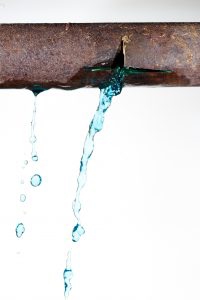
One particular kind of pipe leak is especially tricky to locate and fix: the slab leak. This refers to a pipe leak in the concrete foundation of a home, either in the cold water or hot water lines. (About 80% of the time the leaks are in the hot water lines.) These leaks not only waste a significant amount of water, but they can also lead to structural damage to the house and the development of harmful mold and mildew. Leaks in the hot water lines also lead to the water heater wasting power.

Our plumbers use special equipment such as listening discs, ground microphones, and thermal scanners to find where slab leaks are happening. Fixing a slab leak sometimes involves using a jackhammer to reach the pipes, but less invasive methods such as lateral digging to create a bypass pipe are often possible.

But Why Are These Buried Pipes Leaking in the First Place?

Isn’t a pipe that’s placed down in thick concrete protected from damage? Not really. There are a number of different causes of pipe leaks down in the foundation of a house:

  • Abrasion: Pipes sometimes rattle around as water moves through them. This is not so much because of the movement of the water; it’s the change in temperature causing the pipe to expand and contract. This motion can make the outside of the pipe scrape against the concrete, abraded it until it wears away enough for leaks to start. This is one of the reasons that hot water slab leaks are more common: the expansion from heat causes these pipes to shift around more.
  • Corrosion: Older homes have pipes made from metal that can corrode. And this includes copper, which is corrosion resistant—not corrosion proof. Chemical in the water can trigger corrosion, as can contact with wires that create electrolysis in the pipe. In some cases, it’s a better long-term solution to have repiping done rather than the leaks repaired.
  • Ground shifting: A foundation for a home isn’t as stable as you might think. We don’t have earthquakes here like in California, but all it takes is storm weather to shift the soil just enough that the foundation will place pressure on a pipe and break it. This can also occur because of construction mistakes. This kind of slab leak is often the worst since it can cause extensive flooding.

If you have any reason to suspect that there’s a slab leak in your house (high water bills, cracks in the basement floor, odd behavior from the water heater) you only need to contact our plumbers for the repairs that will take care of it.

Mallick Plumbing & Heating is the Service Contractor of Choice! We’re here for all your plumbing needs in Silver Spring, MD.
Is It Time for a New Garbage Disposal?

You probably think of a garbage disposal as a pretty tough item in your kitchen: it can take anything you put in it, and it will keep working for many years without problems.

But although garbage disposals are durable, they won’t last forever. There’s no such thing as “the last garbage disposal you’ll ever need to buy.” At this time of year, after a holiday season when your disposal went through a great deal of work, you should size up the system’s performance and weigh whether it is time to replace it.

Below are some ways you can tell that you should contact us to replace your sink disposal. Our plumbers are ready to help with the garbage disposal services you need.

You need to hit the “reset” button regularly

The reset button on the bottom of the disposal unit is one you should only need to press on occasion—after a heavy clog, for example. If you have to reset the disposal on a regular basis, it probably means the motor is worn down and close to failing.

Food takes longer to grind

When it takes much longer than it used to for the disposal to clear out the food in the hopper, the grind ring or the impellers are wearing down. You can’t “sharpen” the blades (there aren’t any sharp blades in the disposal, only the blunt impellers), so it’s usually best to get a new unit.

Clogs are common

If the drain with the disposal is experiencing clogs on a regular basis, it may be because the disposal isn’t grinding as well as it used to. If you have a newer disposal, the problem may be that its capacity is too small for your needs.

Major leaks

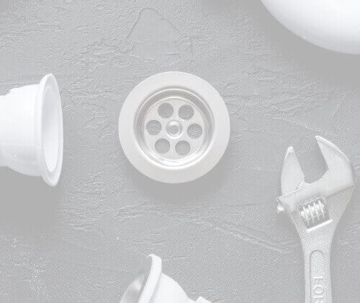
Leaks around the disposal, such as the sink flange, can be costly and difficult to repair. In some cases, it’s less expensive to have a new disposal put in. Ask your plumber for advice about how to proceed.

Mallick Plumbing & Heating is the service contractor of choice in Rockville, MD, and the surrounding areas.

The Real Reason That Pipes Burst When They Freeze

A frozen pipe is obviously a problem in that it stops the water flow. But there’s another concern, which is that when pipes freeze they may also burst. This means expensive pipe replacement repair and the serious possibility of flooding and water damage. (This is probably a good time to mention the importance of having a sump pump to help prevent water damage in the lower parts of your house.)

The Real Reason That Pipes Burst When They Freeze - Mallick Plumbing & Heating

Why Do Frozen Pipes Burst?

The real reason why frozen pipes burst is because of the increase in pressure on the side of the pipe where the frozen section is. As there is less space available between the ice and the closed tap that is “upstream,” the pressure spikes—which causes the bursting to happen.

Many people assume that the cause of pipe bursting is simply due to the freezing – “Because water expands when it freezes.” Water molecules take on a hexagonal form during freezing, which takes up more volume than liquid form. However, when water in a pipe expands due to freezing, it expands to the sides, not directly outward. So, this isn’t the direct cause of the pipe freeze.

Do Pipes Always Burst When They Freeze?

Not all frozen pipes burst. However, thawing the ice can increase the risk, as it usually worsens the problem since it raises the pressure further. This is why pipe bursting is especially common at the end of winter when the ice starts to thaw.

How To Prevent Pipes From Freezing

Winter weather puts a remarkable number of stresses on a home, which is why you should take special precautions to winterize it against the chill, especially your pipes. One way to prevent pipes from freezing is by adding insulation on the exposed piping (usually the pipes around the water heater). This will prevent the pipes from losing too much heat to the cold air around them, that they freeze.

If you do encounter frozen pipes at some point this winter, the best way to deal with them is to contact professional plumbers. They’ll repair your pipes without the risk of bursting.

For the best in plumbing repairs, always call on Mallick Plumbing & Heating. We serve Gaithersburg, MD, and the surrounding areas.

Preventing a Flooded Basement with a Sump Pump

One of the more common and disastrous problems that homes face in this area is a flooded basement. This can happen because of a plumbing accident or it can come from the rain. But no matter the cause, it’s a huge issue that can create trouble long after the main danger is gone. Water damage remediation is an expensive and prolonged process. The best way to deal with flooding in a basement is to find a way to stop it right as it starts.

This is where the sump pump is invaluable.

What Is a Sump Pump?

A sump pump is a motorized pump that is designed to remove excess water from a low part of a house (the basement or a crawlspace) automatically and move it into the municipal wastewater system or a dry well.

A sump pump consists of the two parts of its name. The sump is a hole that’s excavated in the basement at its lowest point. This is where excess water runs automatically and gathers. The pump itself is either placed above the sump (a pedestal pump) or down in it (a submersible pump). The electrical motor of the pump turns on when the water level reaches a certain point. A float switch will trigger activation, usually. The pump draws the water out of the sump and through a pipe that connects to the wastewater system. The sump pump will continue to operate until the water is removed from the sump.

If you’ve had trouble with water in your basement before, then there’s a danger of major flooding at some point in the future. It’s best to contact a professional plumber to arrange for a sump pump installation. The plumber can locate the right type and horsepower of the pump for your needs, and then have it installed so that it will do the exact job you need from it.

To arrange for the installation of a sump pump in your house, contact the professional plumbers at Mallick Plumbing & Heating. We offer service in Potomac, MD and the surrounding areas.

Our Plumbers at Work: Fixing Pinhole Leaks

The term “pinhole leak” doesn’t sound like a terrible plumbing problem. But the name is deceiving! Pinhole leaks are a highly prevalent issue with pipes in both homes and businesses. The cause is a type of corrosion called pitted corrosion that can affect copper. (Copper is corrosion-resistant, but there are still a few types that can afflict it.) The weakening of copper from pitted corrosion soon allows for small holes to open up and begin to leak. Even the smallest leak can cause building damage and waste large amounts of water over time. When you have pinhole leaks occurring in your home’s plumbing, you need to call on professional plumbers such as ours for assistance.

How we repair pinhole leaks

There are a number of methods that our plumbers can use to fix pinhole leaks. The first is a temporary fix, a kind of “stopgap” measure that eliminates the immediate trouble of the leak and gives the plumbers time to track down where other leaks are occurring (pinhole leaks often happen in groups) and then come up with a longer-term solution. The quick fix is to place a small piece of rubber against the leak, then secure a jubilee clip around the pipe and the rubber stopper. The clip is screwed down, forming a firm but temporary seal.

A permanent fix usually involves slicing the pipe in two at the point of the pinhole leak. A special pipe slicer quickly divides the pipe into two halves. Then a compression fitting is placed between the two ends and tightened down to form a connection and a restored pipeline.

The other way for a permanent fix is to solder the pipe ends together. After slicing the pipe apart at the leak, the plumber brushes flux onto the two ends. The ends are placed together, and a soldering torch is put to use to seal the ends together. (Never try to use a soldering torch on your own! It’s only safe in trained hands.)

Call on Mallick Plumbing & Heating for plumbing service in Silver Spring, MD, and the surrounding areas.

How to Fix a Leaking Packing Nut

What is a Packing Nut?

To prevent major flooding problems in a home, as well as to allow easier work for plumbers during repairs, many water lines have shut-off valves. For example, the pipes under your sinks and toilets should be equipped with valves to stop water flow. It’s important to know where these valves are located so you can stop water in case of a plumbing emergency.

However, the packing nut on a shut-off valve can leak, something you may notice when you turn the handle on and off. The packing nut is the part of the valve that provides a watertight seal around the valve stem, and usually, a leaking shut-off valve is the fault of a problem with the packing nut. Here’s how you can make a simple fix.

Basic Packing Nut Repairs

You’ll need a 4-in-1 screwdriver and an adjustable wrench. Use the appropriate-sized wrench to turn the packing nut one-quarter turn to tighten it. This should usually fix the problem. If it doesn’t, you can replace the washer or the packing nut. You’ll need to shut off the water running to this valve—and that means going further down the line, possibly to the water main for the house. Remove the handle from the stem and then fully loosen the packing nut and remove it. Slide off the washer and put on a new one. Now put the packing nut back in place and tighten it—being careful not to tighten it too much, just make it snug and don’t turn any further. Now reattach the handle, let the water flow again, and turn on the valve to see if the leaking has stopped. Make any further tightening as necessary.

If you can’t fix the packing nut yourself, there may be more serious issues with the shut-off valve that will need professionals. We’re glad to assist with any plumbing repairs you may need, large or small.

Mallick Plumbing & Heating, Inc. provides the highest quality plumbing services in Potomac, MD and nearby areas. Call (301) 804-6759 today to request a service appointment.

Do You Need a New Well Pump?

Not all homes can receive fresh water from a municipal system. For those households without a connection to a water main, a ground well is the best solution. In order for a ground well to send water into the house’s plumbing system, the well must have a working well pump.

Like any powered mechanical device, a well pump can malfunction and either struggle to work or stop working completely. Sometimes professionals can repair the pump to get it working once again. But there will come a time in the service life of any well pump where the better option is to have the well pump replaced.

Indications of a Failing Well Pump

You should always pay careful attention to the workings of your well pump so you can tell ahead of time that it’s close to a permanent breakdown. You don’t want to have to make an emergency call to restore your well pump and your water supply if you don’t have to! The main warning sign to watch for is a steep drop in water pressure, especially when more than one tap in the house is turned on. Sputtering faucets are also major cautionary signs. Sediment appearing in your water supply is something that requires professional investigation right away.

Changing to a Constant Pressure Well Pump

If you have an older well pump that’s still doing its job adequately, you may wish to have it replaced anyway. The reason is to switch to the newer type of well pump technology, a constant pressure well pump. The older type of well pump turns on when tank pressure drops too low, then shuts off afterward reaching a set level. These newer pumps keep the pressure at a constant level, thus avoid rises and falls in water pressure in the house. Making the switch is especially noticeable when you have more than one tap turned on at once.

Mallick Plumbing & Heating is the Service Contractor of Choice for Silver Springs, MD. Contact us if you need well pump services of any kind.

Replacing That Leaky Faucet Can Make a Tremendous Difference!

Is there one faucet in your house that is that faucet? The one that always seems to drip drip drip no matter what you do with it? This kind of slow water leak might seem like an annoyance, but it’s something much more serious: small water leaks add up to a much bigger waste of water than you might imagine. But it’s easy to have this fixed! You only have to arrange with our plumbers to have a new faucet put in. This new faucet not only won’t leak, but it will add a pleasant new look to whatever room it’s in.

The Water Waste from That Leaky Faucet

All it takes is a few drops per minute to turn into a large waste of water. According to the U.S. Environmental Protection Agency, the annual amount of water lost through household leaks across the country is more than 1 trillion gallons. That equals the annual water use of more than 11 million homes.

But let’s zero in on the leaky faucet. A faucet that drips at the rate of one drip a second can add up to more than 3,000 gallons per year. To give you a sense of how much that is, the average shower uses around 16 to 17 gallons; you could take 180 showers using the water a leaky faucet wastes. Even a slower leak that only amounts to 500 gallons a year is wasting enough water for 60 loads of dishes in the dishwasher.

If you can’t correct a leaking faucet using a wrench to tighten it up, then it’s best to have professional plumbers replace it. They can use a special low-flow faucet that will help you save additional water without a noticeable change in the quality of the water flow.

Also check for leaky showerheads, which can often leak more than standard faucets. We can take care of putting in new showerheads as well.

Mallick Plumbing & Heating offers kitchen plumbing and bathroom plumbing in Gaithersburg, MD and throughout Maryland, Virginia, and the District of Columbia.

Tips to Go Green with Your Home’s Plumbing

You might have a green thumb when it comes to gardening, but there are places in your house where you can “go green” to both help the environment and save you money on your utility bills. If you want to have “green plumbing,” we’ve offered tips on where to start. Our professional plumbers can help you with these jobs, and they’re always willing to share more ideas with you. Don’t hesitate to give us a call!

Replace that old water heater

If you’ve had your current water heater for 15 years or more—or it was already installed in your home when you moved in—then it’s probably a source of energy waste in the plumbing system. New water heaters have much higher energy efficiency: just look for the ENERGY STAR label. Our water heater professionals can help locate the ideal new energy-saving model for your needs.

Install a whole-house water filtration system

This is the best way to make your home a healthier one. There’s a wide variety of harmful chemicals and bacteria that can get into the municipal water supply. Rely on our water treatment experts to find out what contaminants in your water—and what whole-house filtration system will get rid of them, such as a reverse osmosis filter.

Install low-flow plumbing fixtures

Older homes often have faucets and toilets that waste too much water. Even something as simple as putting flow reducers on faucets can help. But the best way is to arrange for the installation of new water-saving fixtures to replace the old ones. The low-flow toilet is especially helpful: almost a third of indoor water use goes to the toilet, and a low-flow model lowers the amount of water used per flush from 4–6 gallons to 1.5 gallons. That’s a substantial difference!

For more ideas, as well as to arrange for plumbing services, call on Mallick Plumbing & Heating. We serve Potomac, MD and throughout Montgomery County.