Whole-House vs. Under-Sink Water Filtration: A Maryland Homeowner’s Guide

Once you’ve decided to invest in a water filtration system, the next question is whether to install a whole-house system or a point-of-use filter under your kitchen sink. Both improve your water quality, but they work differently and serve different purposes. Here’s how to choose the right one for your Maryland home.

Whole-House Filtration: Clean Water at Every Tap

A whole-house water filtration system installs at the main water line where it enters your home. Every drop of water that flows through your plumbing—from kitchen and bathroom faucets to showers, laundry, and outdoor hose bibs—passes through the filter first.

What whole-house systems remove:

  • Sediment and particulates
  • Chlorine and chloramines (improving taste and reducing skin irritation)
  • Iron and manganese (preventing staining)
  • Some VOCs and organic compounds, depending on the filter media

Best for: Homes where you want consistent water quality everywhere—especially if you notice chlorine smell in showers, sediment in your water, or iron staining on fixtures and laundry. Whole-house systems also protect your plumbing and appliances by filtering sediment before it reaches your pipes, water heater, and washing machine.

Under-Sink Filtration: Targeted Drinking Water Treatment

Under-sink systems install beneath your kitchen sink and filter water at a single point of use—typically your kitchen faucet. The most common type is a reverse osmosis (RO) system, which pushes water through a semi-permeable membrane to remove a wide range of contaminants.

What under-sink RO systems remove:

  • Lead and heavy metals
  • PFAS (forever chemicals)
  • Nitrates and arsenic
  • Total dissolved solids (TDS)
  • Bacteria and microorganisms (when combined with UV treatment)

Best for: Homeowners primarily concerned about the quality of their drinking and cooking water. RO systems provide the highest level of contaminant removal available for residential use, making them ideal for families with health concerns or homes with well water.

Can You Use Both?

Absolutely—and many Maryland homes benefit from this layered approach. A whole-house system handles the heavy lifting by removing sediment, chlorine, and iron throughout your home, while an under-sink RO system provides an extra level of purification specifically for drinking water.

This combination is especially common in the Frederick and Woodbine areas where homes on well water may deal with sediment, iron, and other contaminants that a single system can’t address completely. Even homes on municipal water in Gaithersburg and Rockville benefit from this approach, particularly if you want both whole-home chlorine removal and high-purity drinking water.

Cost and Maintenance Comparison

Whole-house systems typically cost more upfront and require filter changes every 3 to 6 months, depending on your water quality and usage. The filters themselves are relatively affordable and the process is straightforward.

Under-sink RO systems have a lower upfront cost but involve multiple filter stages that need replacement on different schedules—pre-filters every 6 months, the RO membrane every 2 to 3 years, and the post-filter annually. They also produce wastewater as part of the filtration process, though modern systems have improved their efficiency significantly.

Get a Professional Recommendation

The best starting point is always a professional water quality test. At Mallick Plumbing & Heating, we test your water, review the results with you, and recommend only the filtration setup your home actually needs. We install and service whole-house systems, reverse osmosis units, UV purifiers, and water softeners throughout Gaithersburg, Frederick, Rockville, and the surrounding Maryland area. Contact us to schedule your water test.

What the Potomac Sewage Overflow Teaches Us About “Flushable” Wipes

Recently, local news outlets reported that non-disposable wipes contributed to pump failures that led to raw sewage overflowing into the Potomac River.

It’s easy to read a headline like that and think, “That’s a city problem.”

But as plumbing professionals who serve homeowners across Maryland, we can tell you — this starts at home.

And it’s preventable.

What The Potomac Sewage Overflow Teaches Us About Flushable Wipes - Mallick Plumbing & Heating

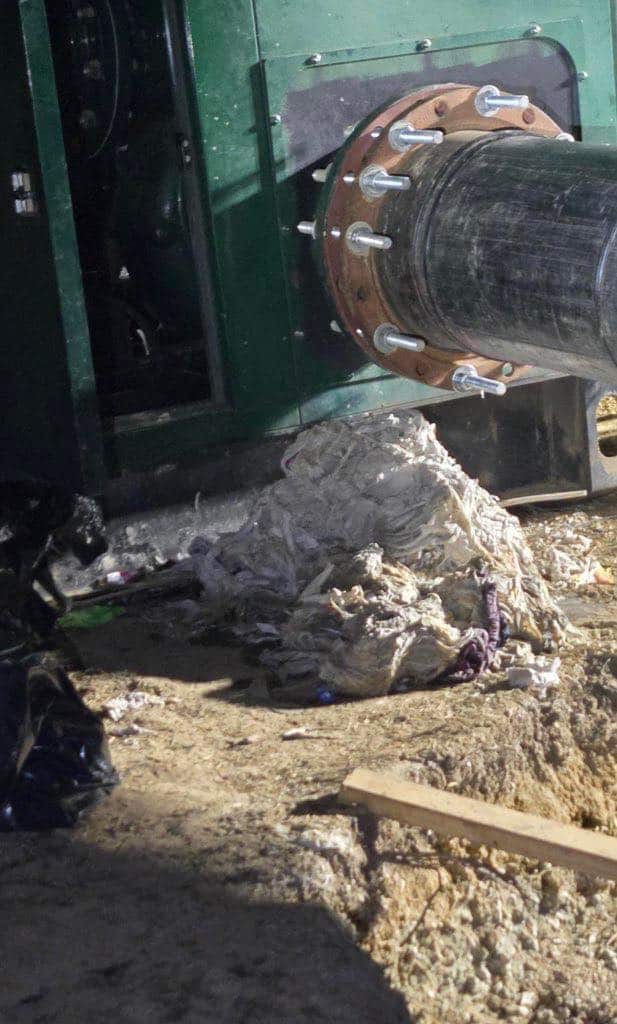
Photo Courtesy of: DC Water

What Actually Happened

During repair work on a major sewer line, pumps in the system became clogged with wipes that had been flushed down toilets. Those clogs reduced pumping capacity at a critical time, contributing to an estimated 600,000 gallons of sewage overflowing into the Potomac River.

When wipes wrap around pumps, they don’t dissolve.
They tangle.
They bind.
They block.

And when infrastructure is already under stress, that blockage matters.

Why “Flushable” Doesn’t Always Mean Safe

This is where education matters.

Many wipes are marketed as “flushable.” What that typically means is that they can go down the toilet — not that they break down like toilet paper.

Toilet paper is engineered to disintegrate quickly in water.

Most wipes are designed for durability. That strength is helpful when you’re using them — but problematic once they enter plumbing systems.

They can:

Utilities across the country spend millions removing what are often called “fatbergs” — massive clogs made of wipes, grease, and debris.

But long before a wipe reaches a municipal pump station, it can create problems inside your own plumbing system.

How This Impacts Homeowners

Here’s what we see locally:

In many of these cases, wipes are part of the issue.

And most homeowners had no idea.

That’s why we approach this as advisors — not alarmists.

This isn’t about blame.
It’s about clarity.

Our Simple Recommendation: The Three P Rule

When it comes to toilets, keep it simple.

Only flush:

Everything else — even wipes labeled “flushable” — belongs in the trash.

That small change protects:

A Bigger Perspective

Infrastructure repairs, aging systems, and increased usage all put stress on wastewater networks. When additional strain is introduced — like wipe blockages — it increases the risk of failures.

As a locally owned plumbing company serving Maryland families, we see our role as more than just fixing problems.

We believe in helping homeowners make informed decisions before problems occur.

If You’re Experiencing Slow Drains or Sewer Concerns

Don’t wait for a backup.

Early signs like slow flushing, gurgling drains, or recurring clogs can indicate buildup in the line. Addressing it proactively is almost always less disruptive — and less costly — than emergency service.

If you have questions about your home’s sewer system, we’re here to provide clear answers and practical guidance.

How Hard Water Damages Your Plumbing (and What to Do About It)

If you live in the Gaithersburg, Rockville, or Frederick area, your home almost certainly has hard water. While hard water isn’t a health hazard, it quietly causes damage throughout your plumbing system that adds up over time. Here’s how it works, what it costs you, and how to protect your home.

What Hard Water Does to Your Pipes

Hard water contains dissolved calcium and magnesium. As water flows through your plumbing, these minerals gradually deposit on the interior walls of your pipes—a process called scaling. Over months and years, these deposits build up and narrow the pipe diameter, restricting water flow.

The effects are cumulative and often invisible until the problem is advanced:

The Impact on Your Water Heater

Your water heater takes the hardest hit from hard water. When water is heated, minerals precipitate out of solution faster and settle at the bottom of the tank as sediment. This layer of scale:

Tankless water heaters aren’t immune either. Scale buildup on the heat exchanger reduces efficiency and can trigger error codes that shut the unit down until it’s cleaned.

What Hard Water Costs You

The U.S. Department of Energy estimates that scale buildup of just 1/16 of an inch on a water heater heating element can increase energy consumption by nearly 10 percent. Multiply that across years of hard water exposure and add in the cost of premature appliance replacement, more frequent plumbing repairs, and wasted soap and detergent, and the true cost of untreated hard water becomes significant.

How to Protect Your Home

The most effective solution is a whole-house water softener installed at the point where water enters your home. A softener removes calcium and magnesium before they can reach your pipes, fixtures, and appliances.

In addition to a softener, annual water heater flushing removes existing sediment and keeps your unit running efficiently. For homes with severe scaling, a pressure reducing valve can also help by preventing high-pressure conditions that accelerate mineral deposit formation.

At Mallick Plumbing & Heating, we help homeowners across Gaithersburg, Frederick, Rockville, and the surrounding Maryland area fight back against hard water. We offer professional water testing, water softener installation, and water heater maintenance to protect your plumbing and extend the life of your appliances. Schedule a water test to get started.

Do You Need a Water Softener, a Water Filter, or Both?

If you’ve noticed scale buildup on your fixtures, spots on your dishes, or an unpleasant taste in your tap water, you’ve probably started researching water treatment options. Two of the most common solutions are water softeners and water filtration systems—but they solve different problems. Here’s how to figure out which one your Maryland home needs, or whether you’d benefit from both.

What a Water Softener Does

A water softener removes hard minerals—primarily calcium and magnesium—from your water supply through a process called ion exchange. Resin beads inside the softener tank swap hard minerals for sodium or potassium ions, producing “soft” water that flows through your home’s plumbing.

Signs you need a water softener:

Hard water is extremely common in the Gaithersburg and Frederick areas. According to WSSC Water, Montgomery County’s water supply measures between 7 and 11 grains per gallon—solidly in the “hard” to “very hard” range. That mineral content takes a toll on your plumbing, appliances, and water heater over time.

What a Water Filter Does

A water filtration system removes contaminants that affect the taste, smell, and safety of your water. Depending on the type of filter, it can remove chlorine, sediment, lead, volatile organic compounds (VOCs), bacteria, and other impurities.

Signs you need a water filter:

There are several types of filtration systems available, from activated carbon filters that improve taste and remove chlorine to reverse osmosis systems and UV purifiers that provide more comprehensive contaminant removal.

When You Need Both

Here’s the key point: a water softener does not filter contaminants, and a water filter does not remove hardness minerals. If your water is both hard and has taste or safety concerns, the most effective approach is to install both systems working in sequence—the softener first to remove minerals, followed by a filter to address contaminants.

Many Maryland homes, particularly those on well water in the Frederick and Woodbine areas, benefit from a combined setup. Even homes on municipal water in Gaithersburg and Rockville often benefit from both due to the naturally hard water supply and residual chlorine from treatment.

Start With a Water Test

The best way to determine what your home needs is with a professional water quality test. At Mallick Plumbing & Heating, we test your water, explain the results, and recommend only the treatment your home actually needs—nothing more. We serve Gaithersburg, Frederick, Rockville, Silver Spring, and communities throughout Maryland. Contact us to schedule a water test today.

Clogged Drain Repair in Gaithersburg: Expert Solutions from Mallick Plumbing

Understanding Clogged Drain Repair: What Every Gaithersburg Homeowner Should Know

Living in Gaithersburg means enjoying beautiful homes and a thriving community, but when a clogged drain disrupts your daily routine, it can quickly become a major inconvenience. At Mallick Plumbing, we understand how frustrating drain issues can be. That’s why we’re committed to providing reliable, professional clogged drain repair services tailored to the needs of homeowners and property managers across Gaithersburg and surrounding areas.

Common Causes of Clogged Drains in Gaithersburg Homes

Clogged drains result from a variety of factors, many of which are common in residential plumbing systems, especially in older homes or properties with high usage. Some typical causes include:

Why Timely Clogged Drain Repair Matters

Ignoring a slow or clogged drain can lead to more severe plumbing problems, including:

Prompt clogged drain repair not only restores your plumbing’s function but also protects your home and family.

How Mallick Plumbing Approaches Clogged Drain Repair in Gaithersburg

As a trusted local plumbing company with decades of experience, Mallick Plumbing offers thorough and effective clogged drain repair services, including:

Our Drain Repair Process

  1. Initial assessment: Schedule an appointment or emergency service call with our knowledgeable team.
  2. Video inspection: Identify the exact location and cause of the clog.
  3. Cleaning and repair: Use appropriate tools such as snakes or hydro jetting to clear blockages, repairing any damaged pipes if needed.
  4. Final testing: Ensure water flow is restored and verify the system’s integrity.
  5. Maintenance advice: Provide recommendations and options for ongoing care.

Why Choose Mallick Plumbing for Your Gaithersburg Clogged Drain Repair?

Choosing the right plumber makes all the difference. Here’s what sets Mallick Plumbing apart:

Preventing Future Drain Clogs: Tips for Gaithersburg Residents

While professional repair is essential for existing clogs, homeowners can take steps to minimize future issues:

Frequently Asked Questions About Clogged Drain Repair

1. How can I tell if my drain is clogged?

Common signs include slow draining water, gurgling sounds from drains, unpleasant odors, and water backups. If you notice any of these, it’s best to have a professional inspect the system.

2. Can I fix a clogged drain myself?

Minor clogs may sometimes be cleared using a plunger or drain snake. However, persistent or severe clogs often require professional tools and expertise to avoid damaging your plumbing.

3. What is hydro jetting, and why is it used?

Hydro jetting uses high-pressure water streams to thoroughly clean pipes, removing grease, debris, and buildup more effectively than traditional snaking methods. It’s safe for most plumbing systems and prevents future clogs.

4. How long does clogged drain repair take?

Repair times vary depending on the severity and location of the clog, but most residential drain repairs can be completed within a few hours.

5. How often should I schedule drain cleaning?

For typical household drains, annual or bi-annual cleaning is recommended. Homes with older plumbing or frequent issues may benefit from more frequent maintenance.

Contact Mallick Plumbing for Reliable Clogged Drain Repair in Gaithersburg

If you’re experiencing drain trouble in Gaithersburg, don’t wait until a small clog turns into a costly repair. Trust Mallick Plumbing’s experienced professionals to provide prompt, courteous, and effective clogged drain repair services backed by decades of local expertise.

Call us today at (insert phone number) or schedule an appointment online to get your drains flowing smoothly again.

5 Warning Signs Your Water Heater Is About to Fail

A water heater failure in the middle of a Maryland winter is more than an inconvenience—it can mean cold showers, potential water damage, and an expensive emergency replacement. The good news is that most water heaters show warning signs before they fail completely. Here are five signals that your water heater may be on its way out.

1. Your Water Heater Is Over 10 Years Old

Most traditional tank water heaters last between 10 and 15 years with proper maintenance. If your unit is approaching or past that range, it’s living on borrowed time. You can find the age of your water heater by checking the serial number on the manufacturer’s label—the first two digits typically represent the year of manufacture.

If your unit is over 10 years old, it’s worth scheduling an inspection rather than waiting for a failure. Replacing a water heater on your timeline is always more affordable than an emergency swap.

2. Rusty or Discolored Hot Water

If rusty or brown water comes out only when you run the hot water tap, the problem is likely inside your water heater tank. Corrosion on the interior walls or a deteriorated anode rod allows rust to leach into your water supply. Once the tank itself starts corroding, a leak is not far behind.

An important distinction: if both hot and cold water are discolored, the issue may be with your supply pipes rather than the water heater. A licensed plumber can help you pinpoint the source.

3. Strange Noises from the Tank

Rumbling, popping, or banging sounds from your water heater are caused by sediment buildup at the bottom of the tank. As the layer of sediment thickens, the burner has to work harder to heat the water through the buildup. This reduces efficiency, increases energy costs, and accelerates wear on the tank.

Annual flushing can prevent sediment buildup, but if the noises are new and your unit hasn’t been maintained regularly, the damage may already be done. This is especially common in the Gaithersburg and Frederick areas where hard water accelerates mineral accumulation.

4. Water Pooling Around the Base

Any water around the base of your water heater is a red flag. Small leaks from the tank itself indicate internal corrosion that cannot be repaired—only replaced. Before assuming the worst, check that the leak isn’t coming from a fitting, the temperature and pressure relief valve, or a nearby pipe connection, as those are often repairable.

Even a slow tank leak can cause significant water damage to floors, walls, and belongings if left unaddressed. If you notice pooling water, call a plumber promptly.

5. Inconsistent or Insufficient Hot Water

Running out of hot water faster than usual or getting inconsistent temperatures are signs that your water heater is struggling. This can be caused by a failing heating element, a broken thermostat, or simply a tank that’s too small for your household’s demands. In some cases, sediment buildup has reduced the tank’s effective capacity.

If you’ve noticed any of these signs, it’s worth having your unit inspected before it fails entirely.

Don’t Wait for a Failure

At Mallick Plumbing & Heating, we help homeowners across Gaithersburg, Rockville, Silver Spring, and the surrounding Maryland area with water heater inspections, repairs, and replacements. If your water heater is showing any of these warning signs, schedule a service call and we’ll help you decide whether a repair or replacement makes the most sense for your situation.

Reliable 24/7 Plumbing Repair Services in Gaithersburg: What Homeowners Need to Know

Why 24/7 Plumbing Repair is Essential for Gaithersburg Homeowners

Plumbing emergencies don’t wait for convenient hours, and neither should you. Whether it’s a burst pipe flooding your basement or a malfunctioning water heater in the middle of the night, immediate response is critical to prevent costly damage. At Mallick Plumbing, we understand the urgency and offer trusted 24/7 plumbing repair services tailored for Gaithersburg residents and surrounding communities.

Our experienced, licensed plumbers are available around the clock to tackle any plumbing issue with professionalism, honesty, and the care your home deserves.

Common Plumbing Emergencies That Require 24/7 Repair

Recognizing when to call for emergency plumbing can save you time, money, and stress. Here are some situations where immediate action is necessary:

How Mallick Plumbing’s 24/7 Repair Service Works in Gaithersburg

Our process is designed to be straightforward and reassuring, so you know exactly what to expect during an emergency:

  1. Immediate Response: Our dispatch team is ready 24/7 to take your call and send a plumber promptly.
  2. On-Site Inspection: Our plumber arrives quickly to diagnose the problem and explain the repair options clearly.
  3. Upfront Pricing: No surprises—our pricing is transparent, with no hidden fees.
  4. Efficient Repair: Using advanced tools and techniques, we fix the issue effectively to prevent future complications.
  5. Follow-Up Support: We provide advice on preventative maintenance to keep your plumbing system healthy year-round.

Why Choose Mallick Plumbing for Your Emergency Needs in Gaithersburg?

With decades of experience serving Gaithersburg and nearby towns, Mallick Plumbing is a name you can trust. Here’s what sets us apart:

Tips to Prevent Plumbing Emergencies in Gaithersburg Homes

While emergencies can strike unexpectedly, there are simple steps every homeowner can take to reduce risk:

FAQ About 24/7 Plumbing Repair in Gaithersburg

1. What qualifies as a plumbing emergency?

A plumbing emergency includes situations that cause immediate risk to property or health, such as burst pipes, major leaks, sewer backups, or gas leaks. If you’re unsure, it’s best to call a professional immediately.

2. How quickly can Mallick Plumbing respond to an emergency in Gaithersburg?

We prioritize emergency calls and typically arrive within an hour, depending on traffic and weather conditions, ensuring prompt service any time of day or night.

3. Are your 24/7 plumbing repair services more expensive than regular repairs?

While emergency services may have a premium due to after-hours availability, we provide upfront pricing with no hidden fees, ensuring you understand the costs before work begins.

4. Can you fix plumbing issues in older Gaithersburg homes?

Absolutely. Our team has extensive experience working on older plumbing systems, offering repairs, upgrades, and repiping services tailored to these homes.

5. How can I prepare for a plumbing emergency?

Keep our number handy, know how to shut off your main water and gas valves, and schedule regular maintenance to minimize risks. We’re always here to help when emergencies do occur.

Contact Mallick Plumbing for Trusted 24/7 Plumbing Repair in Gaithersburg

Don’t let a plumbing emergency disrupt your home or business. With Mallick Plumbing’s reliable 24/7 plumbing repair services, you can rest easy knowing expert help is just a phone call away. Serving Gaithersburg and neighboring communities for decades, we combine professionalism, experience, and genuine care to protect your property and peace of mind.

Call Mallick Plumbing today at (insert phone number) or contact us online for immediate assistance or to schedule a preventative maintenance inspection.

Tankless vs. Tank Water Heaters: Which Is Best for Maryland Homes?

If your water heater is nearing the end of its lifespan or you’re building a new home in the Gaithersburg area, you’re likely weighing your options between a traditional tank water heater and a tankless unit. Both have their place, but the right choice depends on your household size, budget, and long-term goals. Here’s what Maryland homeowners need to know.

How Traditional Tank Water Heaters Work

Tank water heaters store and continuously heat a reservoir of water—typically 40 to 80 gallons. When you turn on a hot water faucet, heated water flows from the top of the tank while cold water enters at the bottom to be heated. This cycle runs around the clock, which means the unit uses energy even when you’re not using hot water.

Pros of tank water heaters:

How Tankless Water Heaters Work

Tankless water heaters heat water on demand as it passes through the unit. When you open a hot water tap, a flow sensor activates a gas burner or electric element that rapidly heats the water. There’s no storage tank, which means no standby energy loss.

Pros of tankless water heaters:

Which One Is Right for Your Maryland Home?

The answer depends on a few key factors:

Household size matters. A family of four or more that frequently runs multiple hot water fixtures at once will benefit from the continuous supply a tankless unit provides. Smaller households with modest hot water needs may find a tank unit perfectly adequate.

Consider your budget timeline. If upfront cost is the priority, a tank water heater wins. But if you’re thinking long-term, a tankless unit’s energy savings and longer lifespan often make it the better investment over 15 to 20 years.

Maryland’s hard water is a factor. The Gaithersburg and Frederick areas are known for hard water, which causes mineral buildup in both tank and tankless units. Annual flushing is important for either type, but scale buildup can reduce a tankless unit’s efficiency more noticeably. Pairing your water heater with a water treatment system can extend its lifespan significantly.

Let Us Help You Decide

At Mallick Plumbing & Heating, we install and service both tank and tankless water heaters throughout Gaithersburg, Frederick, Rockville, and the surrounding Maryland area. We’ll assess your home’s hot water demand, existing infrastructure, and budget to recommend the best fit. Contact us today to schedule a free estimate.

Your Trusted Guide to Emergency Plumbing Services in Gaithersburg

Understanding Emergency Plumbing Services

When a plumbing crisis strikes, the last thing you want is to waste time searching for help. Emergency plumbing services are designed to provide immediate assistance for urgent plumbing issues that can cause damage to your home or disrupt your daily routine. At Mallick Plumbing, we understand the stress and urgency of such situations, especially for homeowners in Gaithersburg and surrounding communities.

Why Emergency Plumbing Services Matter

Plumbing emergencies can range from burst pipes to severe leaks, clogged drains, or malfunctioning water heaters. These problems can escalate quickly, causing water damage, mold growth, or even health hazards. Having access to reliable emergency plumbing services ensures that you receive prompt, professional care to minimize damage and restore your plumbing system efficiently.

Common Plumbing Emergencies We Handle

Emergency Plumbing Services in Gaithersburg: What to Expect

When you call Mallick Plumbing for emergency services in Gaithersburg, our team arrives quickly equipped with the tools and expertise to diagnose and resolve your issue. Our approach focuses on:

Preventing Plumbing Emergencies in Your Gaithersburg Home

While emergencies can’t always be avoided, regular maintenance can reduce the risk. Consider these tips to keep your plumbing system in top shape:

  1. Schedule annual plumbing inspections to catch issues early.
  2. Maintain your water heater by flushing sediment buildup annually.
  3. Avoid flushing anything other than toilet paper to prevent clogs.
  4. Insulate exposed pipes to prevent freezing during winter.
  5. Use drain screens to keep debris out of your pipes.
  6. Address minor leaks promptly before they escalate.

Why Choose Mallick Plumbing for Emergency Plumbing in Gaithersburg?

As a family-owned and locally trusted plumbing company, Mallick Plumbing has served Gaithersburg residents and the surrounding Montgomery County area for decades. Our commitment to professionalism, reliability, and community care sets us apart. Here’s why homeowners and property managers rely on us:

FAQ About Emergency Plumbing Services in Gaithersburg

1. What qualifies as a plumbing emergency?

Any plumbing issue that threatens property damage, health risks, or disrupts essential water usage is an emergency. Examples include burst pipes, major leaks, sewage backups, and gas leaks.

2. How quickly can you respond to an emergency in Gaithersburg?

Mallick Plumbing offers 24/7 emergency services with rapid response times. Typically, we aim to arrive within a few hours or less depending on traffic and location.

3. Can I attempt to fix a plumbing emergency myself?

While minor leaks can sometimes be temporarily managed by shutting off water valves, most emergency plumbing problems require professional expertise to guarantee safety and proper repair.

4. What should I do while waiting for the plumber to arrive?

Turn off the main water supply if possible, avoid using affected fixtures, and clear the area to prevent water damage or hazards.

5. Does Mallick Plumbing offer preventative maintenance programs?

Yes, we offer customized maintenance plans to help identify and fix potential issues before they become emergencies.

Contact Mallick Plumbing for Trusted Emergency Plumbing Services in Gaithersburg

When you face an unexpected plumbing crisis, trust Mallick Plumbing to be your reliable partner. Serving Gaithersburg and the surrounding areas with professional, timely, and honest service, we’re here to protect your home and restore your peace of mind. Call us anytime, day or night, for emergency plumbing services you can count on.