
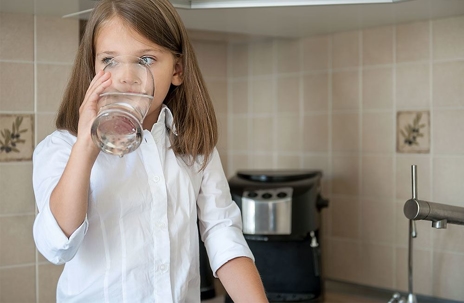
Whether you’re in the process of purchasing a new home or evaluating your current one, water quality is not something that is on the forefront of your thought process – but maybe it should be. As often as you and your family utilize water in your day-to-day life – from cleaning to bathing to drinking – it is preferable your water is of quality, but if it is not, you need to be aware to make the appropriate changes. If not, it can harm you and your home.
With this issue in mind, here are four questions you should ask about your home’s water system and water quality.
Top 4 Water Quality Questions to Ask Your Plumber
- Where is the House’s Water Source Located?
- What are the most common water issues in the area?
- Does the home have a water treatment system?
- Are there signs I should watch for that suggest my water quality is poor?
Where is the House’s Water Source Located?
This should be your first plumbing-related question to your realtor. Once you know this, you can find out more about how it’s treated and if it has any historical quality issues. Municipal water systems are required to maintain government standards. In the United States, the Environmental Protection Agency (EPA) sets water quality standards for the limits for almost 100 contaminants. Even with stringent regulations, water quality issues can still affect your household water supply. Quality concerns can derive from old pipes or contaminated transit routes where the water picks up contaminants while traveling into your home system.
What are the Most Common Water Issues in the Area?
It’s best to know upfront what issues others in your area are working to fix. Knowing what you are facing and if you want to deal with the problem is vitally important if you are considering purchasing a home. Minor issues that make your water unpalatable have easy solutions; however, you want to find out if there are health risks from the water coming into a home you plan to purchase. If the water is toxic, then you want to know why. Is the problem from the source or caused by your plumbing system? These are important questions you should ask your realtor and research yourself to make informed choices.
Does the Home Have Water Treatment?
Knowing whether a home has a water treatment system installed is the ultimate answer to your water quality questions. If the water in the home is being treated, then you have a place to start to find more information about the home’s water quality. You can also rest easy knowing the water is being treated and is safe for consumption and use. Water treatment systems add value to a home, so finding out a system is installed is a value-add to the home you’re purchasing. Traditional water treatment systems included water softeners, filtration systems, and reverse osmosis units. It’s a good idea to bring in a water treatment professional to test the systems to ensure they work and answer any questions or concerns you may have.
What Signs Indicate my Water Quality is Poor?
Many municipal water systems send out water quality reports or post them online. If you can’t find this document, you should note how your water tastes when you’re using it. Does it have a mineral aftertaste? Is your skin irritated after using it? Water with a heavy mineral load may be unpleasant to drink, but it’s typically not dangerous. There is a huge difference between hard water and poor-quality water. However, noticing your water is hard may be the first step toward establishing your overall water quality.
Choose Mallick Plumbing & Heating for Water Treatment Systems in Gaithersburg
Whether you have an existing water treatment system that needs to be inspected or wish to have a new system installed to protect you and your family in your new house, our expert technicians are ready to help with whatever you need. At Mallick Plumbing & Heating, we are committed to providing our customers with exceptional services. Call us today at (301) 804-6759.