How to Choose the Right Water Treatment System for Your Home

Clean and safe water is essential for maintaining a healthy and comfortable lifestyle in your home. However, your home’s water can often contain impurities and contaminants that affect its taste, smell, and overall quality. Investing in a water treatment system unique to your home can significantly improve the water you and your family consume.

In this blog post, we will discuss the signs that indicate you need a water treatment system, how to determine the right water treatment solution for your home and provide a brief explanation of popular water treatment technologies such as Reverse Osmosis (RO), Ultraviolet (UV) Purification, Filtration, and Water Softeners.

If you’re a resident of Gaithersburg, Maryland, or other surrounding Maryland areas, Mallick Plumbing & Heating can help you find the perfect water treatment system for your needs.

Call Mallick Plumbing & Heating today to learn more about a Water Treatment System for your home at (301) 804-6759.

Signs You Need a Water Treatment System

  1. Foul Taste and Odor: If your tap water has a strange or unpleasant taste and odor, it may indicate the presence of contaminants, which may pose threat to your plumbing system’s health. A water treatment system can effectively eliminate these impurities, providing you with clean and refreshing water and protect your home’s plumbing system.
  2. Discoloration: Noticeable discoloration, such as brown or yellow water, can be a sign of high iron content or other minerals in your water. This is one of the more noticeable indications of poor water quality, which a suitable water treatment system can address and improve.
  3. Scale Buildup: Scale buildup on fixtures and appliances, as well as poor soap lathering, can be caused by hard water. A water softener is an effective solution to reduce the hardness of water by removing minerals like calcium and magnesium, which typically cause this.

Have you experienced any of these signs with your water? Call Mallick Plumbing & Heating today to learn about your options (301) 804-6759.

What Water Treatment is Right for Me?

Determining the right water treatment system for your home depends on various factors, including the quality of your water and your specific needs. When considering water treatment for your home, it is important to consult a professional. Mallick Plumbing & Heating offers a range of water treatment options designed to address different water concerns, including:

  1. Reverse Osmosis (RO) Systems: RO systems remove contaminants, impurities, and dissolved solids from your water. They are effective in removing heavy metals, chemicals, and bacteria, providing you with purified drinking water. This process is often used by bottled water companies, but this system can also work for you in your home as well.
  2. Ultraviolet (UV) Purification: UV purification systems use ultraviolet light to disinfect water by neutralizing harmful bacteria, viruses, and other microorganisms. UV purification is a chemical-free method that ensures the water you consume is free from harmful pathogens.
  3. Filtration Systems: Filtration systems employ various filters to remove sediments, chlorine, and other common contaminants. They can improve the taste, odor, and clarity of your water, providing you with cleaner and healthier water for everyday use.
  4. Water Softeners: Water softeners are specifically designed to combat hard water problems. They use a process called ion exchange to remove minerals responsible for water hardness, preventing scale buildup and prolonging the lifespan of your plumbing system and appliances.

Choosing the right water treatment system for your home in Gaithersburg, Maryland, or surrounding areas is crucial to ensure clean, safe, and great-tasting water for you and your family. If you’re experiencing signs such as foul taste, odor, discoloration, or scale buildup, it’s time to consider investing in a water treatment solution.

To ensure your water treatment system will last a long time and produce healthy water throughout your home, our Mallick Plumbing & Heating experts can assess your water quality and help you select the most suitable system to meet your specific needs.

Contact Mallick Plumbing & Heating today at (301) 804-6759 to find the perfect water treatment system and enhance the quality of your tap water.

Common Causes of Low Water Pressure in Your Maryland Home

Low water pressure can be a frustrating issue that affects many Maryland homeowners. It can make simple tasks like showering, washing dishes, and watering the garden more difficult and time-consuming. In this blog post, we will discuss the top five common causes of low water pressure in your Maryland home and provide tangible solutions to help you resolve these issues.

Clogged Pipes and Fixtures

Clogged pipes and fixtures are the most common causes of low water pressure. Over time, minerals like calcium and magnesium can build up in your pipes, restricting water flow and causing low pressure.

How to fix it:

  • Remove and clean the aerators on your faucets to remove any mineral buildup.
  • Use a commercial pipe cleaner or a mixture of vinegar and baking soda to dissolve and remove mineral deposits in your pipes.
  • If the problem persists, consider contacting a professional plumber, like Mallick Plumbing & Heating, Inc, to inspect and clean your pipes.

Old or Corroded Pipes

As pipes age, they can become corroded or damaged, leading to low water pressure. This is especially common in older homes with galvanized steel pipes prone to rust and corrosion.

How to fix it:

  • Inspect your pipes for signs of corrosion, leaks, or damage.
  • If you find any issues, contact a professional plumber to assess the situation and recommend the best action, including replacing the affected pipes.

Water Leaks

Water leaks in your plumbing system can cause low water pressure and wastewater and increase utility bills. Common signs of a water leak include damp spots on walls or floors, mold or mildew growth, and a sudden increase in water usage.

How to fix it:

  • Inspect your home for signs of water leaks, paying close attention to areas around pipes, faucets, and appliances.
  • If you suspect a leak, contact a professional plumber to locate and repair the issue.

Pressure Regulator Issues

Your home’s water pressure regulator is a device that controls the water pressure entering your home from the main water supply. If the regulator is not functioning correctly, it can cause low water pressure.

How to fix it:

  • Check the pressure regulator by attaching a water pressure gauge to an outdoor faucet and turning on the water. If the pressure is below the recommended 40-60 psi range, you may need to adjust or replace the regulator.
  • If you need help with this, contact a professional plumber for assistance.

Municipal Water Supply Issues

Issues with your local water supply can also cause low water pressure. This can include a drop in water pressure due to high demand, maintenance work, or problems at the water treatment plant.

How to fix it:

  • Contact your local water utility company to inquire about any known issues or scheduled maintenance affecting your water pressure.
  • If the problem persists, consider installing a water pressure booster pump to increase the water pressure in your home.

In conclusion, low water pressure can be caused by various factors, including clogged pipes, old or corroded pipes, water leaks, pressure regulator issues, and municipal water supply problems. By identifying the cause and implementing the appropriate solution, you can improve the water pressure in your Maryland home.

Contact Mallick Plumbing & Heating, Inc for expert plumbing services and advice on resolving your low water pressure issues!

Asking Questions to Determine the Quality of Your Home’s Water Supply

Whether you’re in the process of purchasing a new home or evaluating your current one, water quality is not something that is on the forefront of your thought process – but maybe it should be. As often as you and your family utilize water in your day-to-day life – from cleaning to bathing to drinking – it is preferable your water is of quality, but if it is not, you need to be aware to make the appropriate changes. If not, it can harm you and your home.

With this issue in mind, here are four questions you should ask about your home’s water system and water quality.

Top 4 Water Quality Questions to Ask Your Plumber

  • Where is the House’s Water Source Located?
  • What are the most common water issues in the area?
  • Does the home have a water treatment system?
  • Are there signs I should watch for that suggest my water quality is poor?

Where is the House’s Water Source Located?

This should be your first plumbing-related question to your realtor. Once you know this, you can find out more about how it’s treated and if it has any historical quality issues. Municipal water systems are required to maintain government standards. In the United States, the Environmental Protection Agency (EPA) sets water quality standards for the limits for almost 100 contaminants. Even with stringent regulations, water quality issues can still affect your household water supply. Quality concerns can derive from old pipes or contaminated transit routes where the water picks up contaminants while traveling into your home system.

What are the Most Common Water Issues in the Area?

It’s best to know upfront what issues others in your area are working to fix. Knowing what you are facing and if you want to deal with the problem is vitally important if you are considering purchasing a home. Minor issues that make your water unpalatable have easy solutions; however, you want to find out if there are health risks from the water coming into a home you plan to purchase. If the water is toxic, then you want to know why. Is the problem from the source or caused by your plumbing system? These are important questions you should ask your realtor and research yourself to make informed choices.

Does the Home Have Water Treatment?

Knowing whether a home has a water treatment system installed is the ultimate answer to your water quality questions. If the water in the home is being treated, then you have a place to start to find more information about the home’s water quality. You can also rest easy knowing the water is being treated and is safe for consumption and use. Water treatment systems add value to a home, so finding out a system is installed is a value-add to the home you’re purchasing. Traditional water treatment systems included water softeners, filtration systems, and reverse osmosis units. It’s a good idea to bring in a water treatment professional to test the systems to ensure they work and answer any questions or concerns you may have.

What Signs Indicate my Water Quality is Poor?

Many municipal water systems send out water quality reports or post them online. If you can’t find this document, you should note how your water tastes when you’re using it. Does it have a mineral aftertaste? Is your skin irritated after using it? Water with a heavy mineral load may be unpleasant to drink, but it’s typically not dangerous. There is a huge difference between hard water and poor-quality water. However, noticing your water is hard may be the first step toward establishing your overall water quality.

Choose Mallick Plumbing & Heating for Water Treatment Systems in Gaithersburg

Whether you have an existing water treatment system that needs to be inspected or wish to have a new system installed to protect you and your family in your new house, our expert technicians are ready to help with whatever you need. At Mallick Plumbing & Heating, we are committed to providing our customers with exceptional services. Call us today at (301) 804-6759.

The Scary Effects of Hard Water

You may have seen it before…maybe you have a hard time getting your soap to actually work into a lather as you wash your hands or clean the dishes. Or maybe you’ve noticed a strange crusty white substance on your faucet. Maybe you’ve noticed a flare-up of an existing skin condition or your child has complained of itchy or dry skin. All of these point to one thing—your home has hard water.

What is hard water?

Hard water is what we call water with a high mineral content. The minerals most commonly found in hard water include magnesium, calcium, and iron.

Is hard water dangerous?

Hard water isn’t inherently dangerous for you or your family to use or drink—the worst side-effect you may notice from drinking hard water is a metallic taste. Bathing in hard water can strip your hair and skin of natural oils that help to keep moisture in your skin, but unless you have existing skin conditions such as psoriasis or eczema, this is more of a nuisance than a danger.

The biggest threat that hard water poses is actually to the health and lifespan of your plumbing, fixtures, and water heater.

What are some of the effects of hard water?

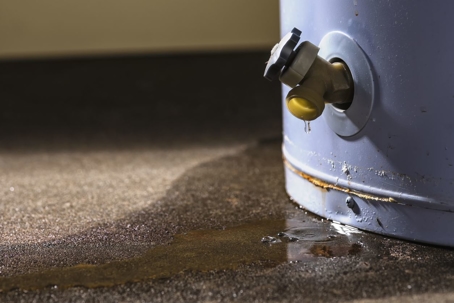
One of the most serious threats hard water poses is to your water heater. Your water heater heats the water inside the tank to the desired temperature before releasing it into the areas of your home you want to use it in. When the water is heated inside the tank, the minerals in your water are also being heated to a higher temperature—over time, this process creates scale that can build up along the walls of the tank. Scale deposits and build-up can lead to overheating and other damage to your water heater.

Contact the Mallick Plumbing & Heating team for water softening services in Gaithersburg.