
Winterizing Your Home

As the temperatures cool it’s important to take stock of your home and prepare it for winter weather. So, what is ‘winterizing’ and why should you winterize your home? Keep reading to find out!

What Is Winterizing?

Winterizing is the process of preparing your house for the winter. This can be done by insulating pipes, sealing windows and doors, and adding extra insulation to the rest of your house. While winterization is typically used to prepare homes for vacancy during winter months, homeowners at high elevations and in areas with bitterly cold temperatures should consider winterization to preserve their home for years to come.

Most Common Ways to Winterize

While some people leave their home for warmer vacation homes, most people weather the winter by staying put. If you are planning to stay home, there are some simple but effective ways to winterize.

Some of the most common methods include:

  • Weather Stripping: Installing storm doors and windows can help to insulate a home, but a more cost-effective method is weather stripping. Adding strips of rubber or plastic seals around doors and windows helps to keep out drafts and hold in heat. Door sweeps also work to keep the warm air in and the cold air out.
  • Pipe Insulation: In many regions, burst pipes are a risk in the colder months. As near freezing water enters the pipes at high pressure, can cause the metal to contract which further weakens already vulnerable parts of the plumbing system. As the cold water continues to rush through, it could cause these week parts to collapse and burst altogether. Using pipe wrap and insulation fittings helps to protect pipes from the cold and prevent bursting.
  • Clean and Protect Gutters: While gutters don’t contribute to drafts, failure to clean them properly could cause build up and prevent proper snow drainage. If snow collects on the roof, it could cause strain, leaking, or even collapse over time. When prepping a home for the winter, it is crucial that you clean the gutters to ensure proper drainage and install gutter guards to keep out leaves and other debris that could clog them.
  • Fireplace Cleaning: Fireplaces are essential during the colder months, but when there are animal nests or creosote buildup a simple fire could become a serious hazard. Not only does cleaning the fireplace prevent issues, but it can also reveal opportunities for sealing and insulation if the fireplace is older or prone to draftiness. In some cases, a fireplace may be too drafty, and you may want to seal it for the winter season.
  • Sealing: Gaps in windows, openings in the attic, and other areas could be responsible for drafts and loss of heat during the winter. Using caulk and insulation to reinforce and seal these areas can protect you from the cold and save money on heating costs.

Are You Ready for Winter?

If you are a homeowner, it may seem like there is an endless list of things you have to do to prepare for changes in the weather. Keeping up with winterization can be a hassle, and it’s easy to forget a task or two. With the help of qualified contractors, you can protect your home, preserve your plumbing, and maximize the effectiveness of your water heater just in time for winter.

Schedule an appointment with Mallick Plumbing & Heating, Inc. today!
5 Things You Should Know About Your Home’s Plumbing

It is important to leave plumbing matters to the professionals, but there are somethings homeowners must know about their plumbing system. Keep reading for the top five things you should know about your home’s plumbing.

How Old Is Your Water Heater?

For those with a water heater, it is easy to forget or disregard the age of your water heater especially if you have not replaced it since you purchased your home. However, the age of your water heater could be crucial to the longevity of your plumbing system.

The age of your water heater is important information because:

  • The validity of your warranty
  • Whether you need to replace it
  • When regular maintenance is due
  • Home insurance coverage

If it is time to replace the water heater, you should do so as soon as possible. If your water heater has a few years before recommended replacement, you should contact a plumber about regular maintenance and get their recommendation for when to make a replacement later on.

Additionally, if the water heater is too old it may also be past warranty, or your home insurance plan may not cover damage that results from a breakdown.

Locating Your Water Valve

In case of emergencies like flooding or overflowing, you should know where your 3water valve is and how to shut it off to prevent worsening conditions. If a toilet is overflowing or a washer is flooding, it is crucial that you stop the flow at the source as soon as possible. Flooding can damage your home beyond repair and cost you dearly. Knowing where the valve is and how to turn it off is important for the safety of your home and the lifespan of your plumbing system.

What Your Incoming Water Pressure Is

Most people only think about water pressure when they are taking a shower, but water pressure is an indicator of far more. Proper water pressure preserves your pipes, and the entire system depends on water flow.

If water pressure is low, it could be an indicator that there may be:

  • Leaky pipes
  • Pipe corrosion
  • Poor water distribution
  • Mineral buildup
  • Valve or regulatory malfunctions
  • Clogged pipes

On the other hand, high water pressure may also be an indicator of issues like:

  • The home is at a lower elevation than the water source
  • The water pressure regulator is broken
  • There is too much water flowing into the plumbing system

Understanding water pressure is important because fluctuations could include signs of bigger issues down the line.

How To Clean Your Pipes

One of the simplest things a homeowner can do to preserve their plumbing system is properly clean their pipes. However, while this is a simple fix, if done improperly, can cause more damage. There are countless products marketed as pipe cleaning agents and tools that supposedly help homeowners to keep their pipes clean, but the reality is many of these products harm plumbing systems over time. Popular drain cleaners often erode pipes over time and may lead to leaks and flooding.

Take Care of Your Plumbing System

It is important to know how your home plumbing system works and how you can maintain it. However, when issues arise, the best way to protect your home is by choosing a qualified plumber. Mallick Plumbing & Heating, Inc. is the service contractor of choice for residential and commercial plumbing in Gaithersburg. When you need dependable plumbing services, choose Mallick Plumbing & Heating, Inc.

Call today and protect your home.

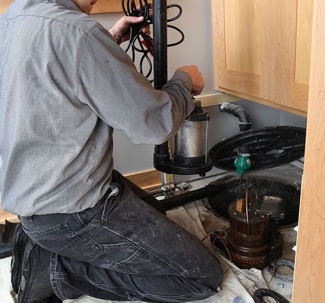
Why is Sump Pump Maintenance So Important?

Why Is Sump Pump Maintenance So Important?

If you have a sump pump, you know how hard it works to protect your home. A sump pump is installed on the lowest level of your home, so it’s able to prevent flooding in your basement or crawlspace. Your sump pump is housed inside a sump pit out of the way, so it’s easy to forget about it unless it stops working.

A sump pump sits in your home on standby, waiting for a reason to be activated. When there are heavy rains, your system will switch on once the groundwater around your home is high enough to activate the pump’s float switch. Once the system has removed the water away from your home, it will go back into standby status.

The water from the sump pump is typically drained into a storm drain, retention pond, or well. The sump pump acts as a fail-safe device preventing flooding in the lowest levels of your house. Because it serves such an important purpose, you must ensure your sump pump is in good condition and ready for action.

Sump Pump Maintenance Best Practices

By following a few sump pump maintenance best practices, you can keep your system in good condition. How often your system needs maintenance will depend greatly on seasonal weather conditions.

The harder your system works, the more maintenance it will need to ensure its components won’t become too worn. If your sump pump has been exposed to high levels of wear and tear, maintenance can ensure it doesn’t break down when you need it most.

Sump Pump Maintenance Checklist

The following steps will help you get your sump pump ready for action. It’s important to unplug your system from its power supply before performing any maintenance or inspections.

  • Clear Debris from the Sump Basin: Access the sump basin and remove debris. All loose and lodged debris must be removed, so the pump is easier to access for additional cleaning.
  • Check the Pump for Corrosion: Remove the pump from the basin. The discharge pipe will need to be removed from the pump as well. If the discharge pipe does not disconnect from the pump, it could be a sign of mold, corrosion, or buildup at the joint. Using a cloth or sponge, clean the pipe using a nonabrasive disinfectant. You can clean the pipe with just a damp cloth. If the pump is very soiled, you may need to rinse it first. Inspect the pump for corrosion. If you find any, contact your sump pump maintenance professional.
  • Check the Pump Inlet Screen: Find the sump pump inlet screen at the pump’s base. The screen serves as a filter that keeps debris from damaging your system. You can use a brush to clean the filter, removing any debris that may be trapped. Depending on your system model, you can take this time to lubricate the pump’s bearings if recommended for your unit.
  • Check the Discharge Pipe: Inspect the drainage system of your sump pump. You need to ensure your drainage system isn’t compromised and that nothing is preventing the free flow of drainage water. The discharge pipe should be carrying water at least 20 feet away from your foundation to keep your home protected.

How to Perform a Sump Pump System Test

The system test consists of the following:

  • After cleaning your sump pump, replace all the parts and reconnect your system to its power supply.
  • Add several gallons of water to the basin and wait for your system to turn on from standby automatically.
  • During this test, ensure the float switch is operating properly. Once it activates to remove the water you placed in the basin, the maintenance routine is complete.

Choose Mallick Plumbing & Heating for Sump Pump Maintenance

If you need help maintaining your sump pump, our expert technicians are the pros you want on your side. At Mallick Plumbing & Heating, we are committed to providing our customers with exceptional plumbing services, which is why we are a preferred service provider throughout Maryland, Virginia, and the District of Columbia.

Call us at (301) 804-6759 or contact us online to schedule sump pump maintenance with the team at Mallick Plumbing & Heating today!