Pressure Reducing Valve Failure Signs in Bethesda, MD Homes

Toilets refill by themselves at two in the morning. The washing machine hoses look tight as a drum. A faucet cartridge fails, then another one across the house. Those symptoms share a single cause more often than not: the pressure reducing valve on your water service is no longer holding pressure where it belongs.

A pressure reducing valve is a bell-shaped brass fitting near where the water line enters the house, usually just past the main shutoff. It is easy to ignore for fifteen years and then never suspected, because most Bethesda homeowners have no idea it exists.

Why Your House Needs Pressure Reduced at All

Water utilities run distribution mains at pressures that serve fire hydrants, tall buildings, and homes at the top of a hill. That pressure is far higher than residential fixtures are designed to handle.

Cartridges, fill valves, supply hoses, and appliance inlet solenoids all have a working range. Push past it and those parts wear quickly, seals extrude, and joints that were fine for years begin to weep. The EPA drinking water program describes how utilities maintain pressure across a distribution system, which is why the reduction has to happen at your house.

A pressure reducing valve takes street pressure in and delivers a lower, steadier pressure to everything downstream.

How a Pressure Reducing Valve Works Inside

Cut one open and you find three parts doing the work: an adjusting screw, a spring, and a flexible diaphragm connected to a seat and stem.

The spring pushes the seat open. Downstream pressure pushes back on the diaphragm and tries to close it. The valve sits wherever those two forces balance, throttling flow to hold the setting. Turn the adjusting screw and you change spring tension, which changes the balance point and the outlet pressure.

That balance is a mechanical compromise maintained thousands of times a day. It is also why a pressure reducing valve is a wear part rather than a permanent fitting.

How a Pressure Reducing Valve Fails

Failures fall into four patterns, and each one produces a different complaint.

The Seat Wears and Pressure Creeps

Grit and mineral particles cut a groove in the rubber seat over the years. The valve can no longer close completely, so when no fixture is running, pressure slowly climbs toward street pressure.

Plumbers call this creep. It is why the banging, the overnight toilet refills, and the dripping relief valve at the water heater all happen when the house is asleep and nothing is drawing water.

The Diaphragm Tears

Once the diaphragm splits, the valve loses its feedback signal and stops regulating entirely. The house sits at full main pressure, and fixtures start failing in groups rather than one at a time.

The Spring Fatigues

A tired spring drifts the other way. Pressure sags, showers go weak on upper floors, and filling a tub takes noticeably longer than it used to.

Debris Lodges in the Body

A pebble of scale from street work can wedge against the stem. The result is a whistle, a chatter, or a shudder in the walls whenever a fixture opens partway.

Warning Signs Bethesda Homeowners Notice

  • Banging or hammering in the walls when a faucet or valve closes.
  • Toilets that hiss or refill briefly with no one using them.
  • Water heater relief valve dripping, especially overnight.
  • Washing machine and dishwasher hoses that feel rigid and look swollen.
  • Faucet cartridges, fill valves, or supply lines failing repeatedly.
  • Showers that surge hard, then lose pressure without explanation.

What This Looks Like in a Bethesda Home

Picture a Bethesda homeowner who has replaced two toilet fill valves and a kitchen cartridge in the same month. Each repair holds for a while, and then something else lets go.

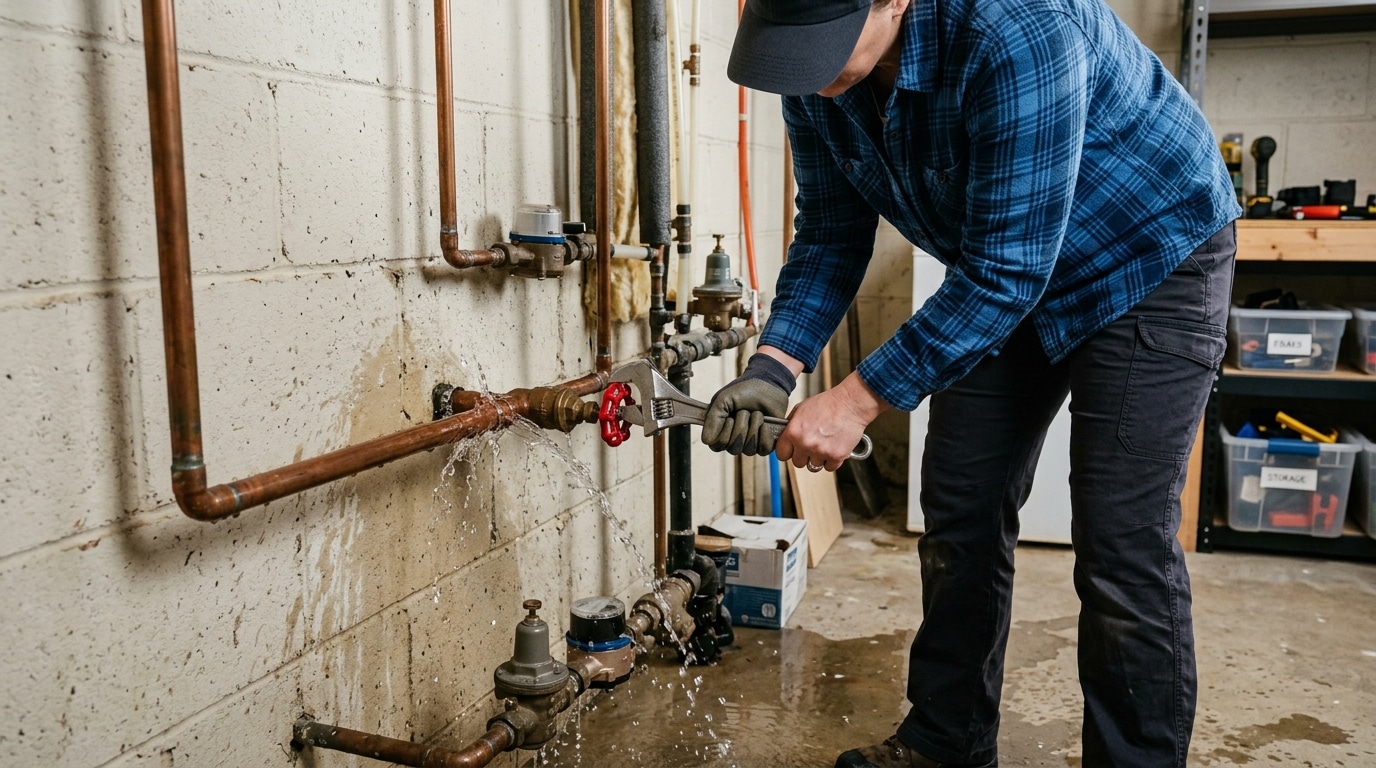
In a case like this, a gauge on the hose bib may read a healthy number with a fixture running. With everything closed, though, the needle can climb steadily while the house sits idle. That pattern points to a pressure reducing valve that creeps at night and hammers the whole system while everyone sleeps. The fix is typically replacing the valve and setting it against a gauge.

Adjust, Rebuild, or Replace?

Not every high-pressure reading means a new valve, and here is how we decide:

  • Adjust it. Reasonable when the valve still holds a stable setting and only needs to be dialed in against a gauge.
  • Rebuild it. Some models accept a repair kit with a new seat, spring, and diaphragm, which suits an accessible valve in good condition.
  • Replace it. The right call when the body is corroded, the valve creeps after adjustment, or the unit is old enough that parts are no longer supported.

Our pressure reducing valve page walks through the service, and our short video answer on what a PRV is is a good primer before we arrive.

How We Diagnose the Valve

  1. Attach a gauge at an outside hose bib and record static pressure.
  2. Open a fixture and record running pressure to see how much the valve drops.
  3. Leave the gauge on with the house closed up and watch for creep.
  4. Check the water heater expansion tank, since a closed system needs one.
  5. Inspect the valve body for corrosion, weeping, and the condition of the shutoffs.

If your pipes bang at night or fixtures keep failing, schedule a pressure test before you replace another cartridge. A gauge reading usually settles the question on the spot.

Safety Notes and When to Call a Plumber

High water pressure is not just hard on fixtures. It stresses supply hoses and can turn a small drip into a burst line while the house is empty. Know where your main shutoff is, and replace rubber washing machine hoses with braided stainless ones.

Call a plumber when pressure creeps with nothing running, when you hear hammering, or when a relief valve drips. Adjusting a pressure reducing valve without a gauge on the system is guesswork, and setting it too high quietly damages everything downstream. Model plumbing codes published by bodies such as IAPMO set the ceiling for residential supply pressure.

Frequently Asked Questions

How long does a pressure reducing valve last?

Most give many years of service, and water quality decides the rest. Sediment and aggressive water wear the seat faster, so a valve in one neighborhood may outlast the same model a mile away.

Can I adjust the valve myself?

You can turn the screw, but without a gauge you are guessing. Small turns move pressure a surprising amount, and overshooting puts the whole house above its safe range.

Does high pressure really waste water?

Yes. Every open fixture flows more than it needs to, which is why the EPA WaterSense program treats household pressure as part of efficient water use.

My pressure is fine during the day but pipes bang at night. Why?

That is the classic creep pattern. With no fixture open, a worn valve lets pressure climb until the first closing valve produces a hammer. Our water line services page covers the supply side of that system.

Your Next Step in Bethesda

Repeat fixture failures are rarely bad luck. They are usually a pressure problem with a single root cause. Call Mallick Plumbing & Heating to schedule a pressure reducing valve inspection in Bethesda, and we will gauge your system, watch for creep, and set or replace the valve so the rest of your plumbing stops taking the punishment.

Pipe Condensation in Bethesda, MD: Why Cold Water Lines Sweat All Summer

Every July we take calls from homeowners who found water dripping off a basement pipe and assumed the worst. Most of the time it is not a leak at all. It is pipe condensation, and in Bethesda, MD it starts the week our dew points climb into the muggy range and stays until September. The water on that pipe came out of the air in your basement, not out of your plumbing. That distinction matters, because the repair is completely different. This guide explains the physics behind pipe condensation, how our plumbers separate it from a genuine leak, and what actually stops the dripping.

What Causes Pipe Condensation

Air holds water vapor, and the amount it can hold drops as the air cools. The temperature where air can hold no more is the dew point. Cool any surface below that temperature and vapor touching it turns back into liquid water.

Your cold water line is that surface. Water arriving from the municipal main sits far below summer room temperature, and copper moves heat quickly, so the outside of the pipe stays almost as cold as the water inside it. Humid basement air drifts across that cold metal, gives up its moisture, and leaves beads behind. The beads merge, run to the low point of the pipe, and drip. That is pipe condensation in one paragraph.

Why It Is Worse in a Bethesda Summer

Maryland summers combine warm air with heavy humidity, which is exactly the recipe for sweating pipes. Basements make it worse. A basement is cooler than the rest of the house, but it is also where damp outdoor air sneaks in through window wells, rim joists and unsealed penetrations.

Older Bethesda homes add one more factor. Finished basements installed decades ago rarely included a vapor barrier or foam sleeves on the supply lines, so bare copper runs through a humid cavity all season. The EPA’s indoor air quality guidance covers why that combination of moisture and enclosed space invites mold.

Pipe Condensation or an Actual Leak?

This is the question worth answering before anyone opens a ceiling. The two look similar from the floor and behave nothing alike.

That last test is the strongest one. Shut every fixture, then watch the low-flow indicator on the meter. If it creeps, you have a leak somewhere and pipe condensation is not your problem.

A Bethesda Ceiling Stain Scenario

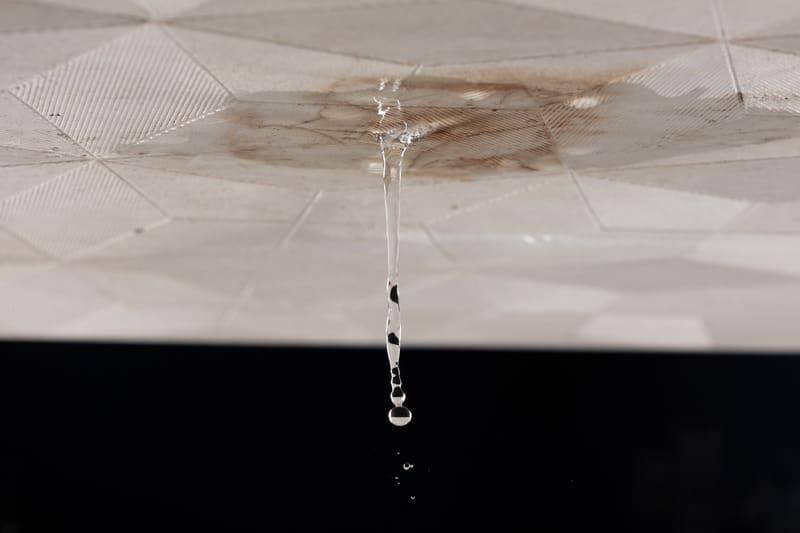
Picture a homeowner in Bethesda who finishes a movie in the basement and notices a dark ring on the drywall ceiling below the upstairs bathroom. No fixture is running, and no toilet is leaking. In a case like this, a likely finding behind an inspection hole is a bare copper cold line crossing the joist bay and dripping steadily onto the back of the drywall. The bathroom above may be perfectly fine. A stain like that often reflects months of pipe condensation collecting at one low spot in the pipe run, and the typical fix is foam insulation plus a dehumidifier, not a repipe.

What the Dripping Damages

Condensate is clean water, which makes it feel harmless. It is not. Steady drips keep framing lumber damp enough for rot organisms to work, soak fiberglass batts until they lose their insulating value, and stain finished ceilings. Subfloor under a sweating toilet tank can slowly go soft and spongy. Damp wood also draws insects.

How to Stop Pipe Condensation

You cannot make the pipe warmer without wasting water, so the work goes into separating humid air from the cold surface and drying the air itself.

  1. Sleeve every cold line with closed-cell foam insulation, and seal the seam and every butt joint with the adhesive strip or tape. Fiberglass does not work here because it absorbs the moisture instead of blocking it.
  2. Insulate fittings, valves and the short stubs behind them. Bare elbows sweat just as hard as straight runs and are usually what people miss.
  3. Run a dehumidifier in the basement and drain it to a sump basin or a condensate pump rather than emptying a bucket.
  4. Seal rim joists, window wells and duct penetrations so humid outdoor air stops pouring into the cool space.
  5. On a chronically sweating toilet tank, ask about an anti-sweat valve, which blends a small amount of hot water into the tank supply to raise the surface temperature.

Pipe condensation also gets worse when cold water moves constantly. A toilet fill valve that never fully shuts keeps fresh cold water flowing through the branch line all day. Fixing the flapper often cuts the sweating dramatically, and the EPA’s WaterSense program explains how much water a silent running toilet moves.

Safety and When to Call a Plumber

Do not cut into a finished ceiling to chase a drip before you have checked the meter. Do not run an extension cord to a dehumidifier standing in water. If a ceiling is already sagging or the drywall is soft, stop and get eyes on it, because saturated gypsum falls without warning.

Call Mallick Plumbing & Heating when the water stays after you have insulated the lines, when the wet spot sits on a hot line, or when the meter keeps turning with everything off. Our leak detection service helps pinpoint the source before anyone starts opening walls, and our piping team can insulate, reroute or replace runs that were never protected. For a sweating tank or a running fill valve, start with bathroom plumbing repair.

For broader guidance on household moisture, University of Maryland Extension publishes resources written for this climate, and ENERGY STAR’s Save at Home covers sealing and insulating the spaces where humid air gets in.

Frequently Asked Questions

Can pipe condensation cause mold?

Yes. Condensate keeps wood, paper facing and drywall damp for weeks at a time, which is all mold needs. Drying the air and insulating the pipe removes the moisture it feeds on.

Do I need to insulate hot water lines too?

Insulating hot lines saves energy and shortens the wait for hot water, but it does nothing for sweating. Hot pipes sit above the dew point, so they never condense.

Why did my pipes never sweat before this year?

Something changed the balance. A dehumidifier that quietly stopped working, a finished basement that trapped air, a failed sump pump raising humidity, or simply a wetter than usual July.

Will a dehumidifier alone fix it?

Sometimes, if the basement is sealed and the unit is sized for the space. In most Bethesda basements we recommend insulation first, because it works whether or not the machine is running.

Your Next Step

If you have a mystery wet spot, check the meter, note whether the pipe is hot or cold, and watch whether the dripping tracks the weather. Then call Mallick Plumbing & Heating to schedule a visit at your Bethesda home. We will confirm whether you are dealing with pipe condensation or a leak, and handle the insulation or the repair while we are on site.

Repipe & Replace, When’s the Ideal Time?

Over time, the plumbing system in your home endures significant wear and tear. While most homeowners are diligent about regular maintenance, there comes a point when repairs are no longer enough. That’s when repiping and replacing your plumbing may be necessary to ensure your home’s safety and efficiency.

Together, we’ll explore the signs that indicate it’s time to replace your plumbing, the benefits of repiping your home, and how Mallick Plumbing & Heating’s home repiping services can help you maintain a modern, leak-free plumbing system.

When to Replace Plumbing in Your Home

Determining the right time to replace the plumbing in your home depends on a few factors.

Here’s a few key signs it may be time to consider a repipe:

  1. Age of the Pipes: Plumbing systems are built to last, but even the best pipes have a lifespan. If your home is more than 50 years old and still has its original plumbing, it’s likely time to consider replacement. Older homes often have galvanized steel or cast-iron pipes, which are prone to corrosion and leaks over time.

  2. Frequent Leaks: If you’re constantly dealing with leaks, no matter how small, this could be a sign that your plumbing system is deteriorating. While occasional leaks can be repaired, frequent leaks may indicate systemic problems that require a more comprehensive solution like repiping.

  3. Discolored Water: Rust-colored or discolored water from your taps is a common sign of corroded pipes. This is especially true in homes with galvanized steel plumbing. Not only is discolored water unappealing, but it can also pose health risks.

  4. Low Water Pressure: Low water pressure is often caused by sediment buildup or pipe corrosion that reduces water flow. If cleaning or temporary fixes don’t resolve the issue, it may be time to replace your pipes to restore proper water pressure.

  5. Noisy Pipes: Rattling or banging noises in your pipes, particularly when turning water on or off, can indicate old or loose pipes. Over time, these issues can worsen, leading to leaks and water damage.

If you’re noticing any of these warning signs, it may be time to consider replacing your home’s plumbing. Mallick Plumbing & Heating can also help with proactive replacement. Call today at (301) 804-6759 to learn how we can assist you! 

The Benefits of Repiping Your Home

Repiping your home is a significant investment, but it comes with a variety of long-term benefits that make it worthwhile.

Here’s why many homeowners are opting for home repiping services:

  1. Improved Water Quality: Old, corroded pipes can leach contaminants like rust into your water supply. By repiping, you’ll enjoy clean, clear water without the risk of contamination from deteriorating pipes.

  2. Increased Water Pressure: Repiping your home eliminates the blockages and corrosion that reduce water flow, leading to improved water pressure throughout your home. With new pipes, you’ll notice stronger, more consistent water flow from all your faucets and fixtures.

  3. Reduced Risk of Leaks: Old plumbing systems are more prone to leaks, which can cause water damage and mold growth in your home. Repiping drastically reduces the risk of leaks, giving you peace of mind and protecting your property from potential water damage.

  4. Increased Home Value: If you plan to sell your home in the future, new plumbing can be a major selling point for prospective buyers. A newly repiped home is seen as a valuable upgrade that can increase the market value of your property.

  5. Energy Efficiency: Modern plumbing materials are more energy-efficient, which means repiping your home can lead to savings on your utility bills. For example, newer pipes retain heat better, which can reduce the amount of energy needed to heat your water.

Knowing when to replace plumbing in your home can save you from expensive repairs and water damage in the future. If you’ve noticed any of the signs that your plumbing system is deteriorating, don’t wait for the problem to escalate. Investing in home repiping services comes with numerous benefits, from improved water quality to enhanced property value.

To learn more about the benefits of repiping your home, check out our expert home repiping services at Mallick Plumbing & Heating or call us at (301) 804-6759 to learn more!

Why Choose Mallick Plumbing & Heating for Your Repiping Needs?

At Mallick Plumbing & Heating, we specialize in providing high-quality, reliable repiping services to homeowners. With our team of experienced plumbers, we can assess the condition of your plumbing system, determine if repiping is necessary, and carry out the job with minimal disruption to your home.

Contact us today to schedule a consultation and take the first step toward a safer, more efficient plumbing system.

Seasonal Plumbing Tips: Preparing Your Home for Extreme Weather

As the frigid winter weather makes itself at home, it brings along unique challenges for your home’s plumbing system. The freezing temperatures pose a threat to pipes, including the ones associated with your water heater.

Winter plumbing concerns are not only inconvenient but can lead to costly damages if not addressed promptly. Mallick Plumbing & Heating understands the unique needs of homes in the Gaithersburg and Maryland area.

If you have any questions about your home’s plumbing system, please contact us at (301) 804-6759 for immediate assistance!

Here’s a few tips from our Mallick Plumbing & Heating team to prepare your plumbing for any weather conditions:

1. Drain Cleaning for All Seasons

Start each season with a comprehensive drain cleaning. Over time, debris, hair, and grease can accumulate in your drains, leading to slow drainage and potential clogs. Professional drain cleaning ensures your plumbing is free-flowing, reducing the risk of backups and other plumbing issues.

2. Guard Against Frozen Pipes

Cold winters in Gaithersburg and surrounding areas of Maryland make frozen pipes a real concern. To prevent pipes from freezing, insulate exposed pipes in unheated areas, and seal any gaps or cracks in your home’s exterior. When extremely cold weather is forecasted, allow faucets to drip to relieve pressure in the pipes and prevent freezing.

3. Regular Leak Detection

Leaks can occur at any time and often go unnoticed until they cause significant damage. Implement regular leak detection checks by inspecting visible pipes, faucets, and appliances for signs of water accumulation or moisture. Leaks are very common after your pipes have frozen from the frigid weather. The water expansion puts a lot of pressure on your pipes and typically causes them to break. If you notice any leaks, address them promptly to prevent any water damage and mold growth.

4. Monitor Water Pressure

Fluctuations in water pressure can indicate underlying plumbing issues. Install a pressure gauge to monitor water pressure regularly. If you notice any sudden changes, it could signal a problem in the water supply or distribution system that needs professional attention.

5. Ensure Plumbing Fixtures are Working Properly

Check that all plumbing fixtures, including faucets, toilets, and showerheads, are working properly. Replace worn-out components, address slow drains, and repair any fixtures that are leaking or not functioning as they should. This ensures efficient water usage and prevents potential plumbing emergencies.

6. Prepare for Plumbing Emergencies

Despite preventive measures, emergencies can still happen. Know the location of your main water shut-off valve and how to turn it off. This quick action can minimize water damage in the event of a burst pipe or major leak.

Keep the contact information for a reliable plumbing service like Mallick Plumbing & Heating handy for immediate assistance in case of emergencies.

Taking these seasonal plumbing tips to heart will help keep your Gaithersburg or Maryland home’s plumbing in top condition, no matter what weather challenges come your way.

For professional assistance with drain cleaning, frozen pipes, leak detection, or any plumbing issues, contact Mallick Plumbing and Heating at (301) 804-6759 for immediate assistance!

Why Backflow Prevention is So Important

What is Backflow?

Backflow is the simple process of unwanted water flowing in the opposite direction than it should. This is a general term that can apply to many situations in plumbing, but your mind is probably zeroing in on the most obvious one of a toilet tank filling with dirty water.

Why is Preventing Backflow So Important?

It probably goes without saying, but we trust our water to be potable, or drinkable. Backflow is one of the most common ways water can become contaminated and not fit for human consumption. This is so important that nearly every building has some sort of plan or mechanism in place to prevent backflow from poisoning the water supply.

What Causes Backflow?

Unlike many plumbing problems, there are only a few limited causes of the problem. One is backpressure. This is when the pressure pushed water back up the system where it shouldn’t be. This can occur from a variety of reasons, from ventilation issues to improper drainage.

The other main cause is back-siphonage. This occurs when pressure is too low on the supply side. In this case, dirty water can be pulled back and cause contamination.

How Can We Prevent Backflow From Happening in the First Place?

The construction of backflow prevention valves and devices is centered around potential risk. We don’t want to waste time protecting an area of your plumbing that has no real risk of causing problems. So first, there is a risk assessment and then proper precautions are installed.

One of the main ones is using an air gap. You may be surprised to learn that air is used throughout your plumbing system for various reasons and backflow prevention is one of them.

The other is a check valve. While an air gap is required during construction, often it is not adequate to prevent backflow. This is especially the case if there are factors that were unaccounted for during construction.

The plumbing experts at Mallick Plumbing & Heating have you covered for all of your home plumbing needs. If you want to prevent backflow from poisoning your water, give us a call at (301) 804-6759 or fill out an online contact form!