10 Ways to Increase Your Home’s Value for Resale

Despite being in the midst of a pandemic and high rates of unemployment, the United States housing market is booming. Low interest rates have created a spike in home sales as more people switch to remote work and don’t need to worry about being close to the office. If you’re one of the many homeowners looking for more space, increasing the value of your home can be the first step to a quick sales turnaround.

Which home improvements add the most value?

According to Remodel Magazine’s 2019 report, the top ten home improvements for ROI (return on investment) are:

  1. Garage door replacement – 97% ROI
  2. Manufactured stone veneer – 94% ROI
  3. Minor kitchen remodel – 80% ROI
  4. Wood deck addition – 75% ROI
  5. Siding replacement – 75% ROI
  6. Entry door replacement – 74% ROI
  7. Vinyl window replacement – 73% ROI
  8. Grand entrance – 71% ROI
  9. Wood window replacement – 73% ROI
  10. Composite deck addition – 69% ROI

While these comprise the top ten recoups you’ll get for your investment, there are cheaper options to improve the look, feel, and value of your home to potential buyers.

Cheapest Home Improvements

Improving your home before putting it on the market doesn’t have to cost an arm and a leg! These simple improvements will help increase the value of your home.

In the Kitchen

Many prospective buyers love natural light, but if your kitchen doesn’t offer much in terms of windows, draw attention to your lighting fixtures instead! Installing new lighting (such as pendants) is a simple and inexpensive way to brighten a space and make a small room feel larger.

Fixture upgrades are a small way to increase your home’s overall value. Installing new fixtures can make your entire kitchen look newer, and adding features like an on-tap water filter or new garbage disposal will increase the value for prospective buyers who are looking for those features and want to avoid a post-sale renovation.

In the Bathroom

According to Zillow, 26% of sellers make some improvements to their bathrooms before putting their home on the market. Small, cost-effective updates can make your home more appealing to buyers.

  • Water pressure. Good water pressure is a great asset to your bathroom. Make sure the water pressure is at a good level before putting your home on the market.
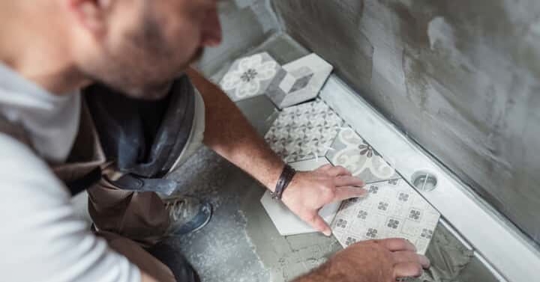
  • Refresh the decor. Outdated tile floors and stained wallpaper don’t create an inviting atmosphere in your home. New tiles or a splash of color on the walls can give your bathroom a more modern look and feel. According to the 2018 Zillow Paint Color Analysis report, “Homes with light blue or blue-gray bathrooms sell for a $2,786 premium.”
  • Recaulk instead of replacing. Renovations on a budget require creativity. If you’re not in a place where you feel you can replace the bathtub, simply deep clean and recaulk for a fresh look!

Don’t Forget the Small Repairs

Seemingly small plumbing issues can affect your home’s value, so it’s important to make sure everything in your home is in good working order before you put it on the market. Fix any hidden leaks that could lead to pest problems or water damage and schedule a sewer pipe inspection to check out the condition of your home’s plumbing before a buyer asks to do so.

Keep an eye out for these seasonal plumbing issues as you’re readying your home for the market:

Fall and Winter

Colder weather affects more than nature! Freezing temperatures cause the metal of your water heater tank and piping to expand and contract—which can lead to major problems down the line. If you’re planning to put your home on the market in fall or winter, schedule a plumbing inspection and have your plumber your home for leaking water heaters, broken water lines, or roots in your drain lines.

Spring and Summer

April showers bring…flooding in the basement? Melting snow and rain can cause flooding in your basement—have your plumber check the status of your sump pump after winter to prevent this issue.

Summer means backyard BBQs and trips to the beach. While great for making memories, you should be cautious of which food scraps you’re throwing down the drain to avoid clogging or ruining your disposal. Make sure to shake off as much sand as possible when returning from the beach to prevent slow clearing drains blocked by sand and other debris.

Get the most value for your home and sell in record time when you prepare every area of your home for resale. Contact Mallick Plumbing & Heating for any plumbing repairs, inspections, and replacements you may need to get your home on the market! Call our team at (301) 804-6759 to schedule an appointment today.

Items You Should Compost Instead of Putting Down Your Garbage Disposal

The kitchen garbage disposal is an invaluable piece of equipment in any home kitchen. It makes dinner clean up easier and cleaner with very little effort on your part. Unfortunately, they aren’t miracle machines. There are certain types of foods that can’t go down the garbage disposal without either harming the blades or motor of the garbage disposal or causing clogs further along your pipes.

Luckily, many of these same foodstuffs can be used in an eco-friendly compost pile. We’ll explain what items you may want to consider composting rather than letting them muck up your plumbing!

Banana Peels

Peels in general have a lot of fibrous material, which can get easily caught in the blades of your garbage disposal. It’s going to take a long time for your garbage disposal to cut these up and it will probably end up just getting entangled in the system.

This is where composting comes in. Peels of all sorts have a lot of great nutrients for composting. All of the vitamins and minerals may not be enriching your body but can enrich the soil. At least something will benefit from your leftovers, right? Pro tip: slice up those banana peels before you toss them in the compost pile!

Coffee Grounds

Coffee grounds can be a huge waste. Think about it. Every morning you may be making coffee from those grounds and they go directly into the garbage. You should never put these down your garbage disposal because coffee grounds like to clump together when in water. If it doesn’t cause problems for the garbage disposal itself, it will cause clogs further along the system.

Luckily, just filtering water through your coffee grounds doesn’t completely strip them of the enriching vitamins and minerals which compost piles love.

If you need drain cleaning services or garbage disposal repair, just give us a call at (301) 804-6759 or fill out an online contact form to schedule an appointment. Our pros are trained in cleanliness and will exercise the utmost care and caution while assisting you.

Your Guide to Sink Styles

If you want to remodel your bathroom or add to your home, you have a lot of style decisions to make. How is everything going to fit together? What is going to stick out to guests? How can I make the room function well? One of the most important things you’ll consider is the presence of your bathroom sink! You will have to use that faucet every single day after all! It needs to make sense from a functional and stylistic perspective. We want to walk you through the thought process we recommend and give you some pros and cons so you can decide what sink is best for you!

What are the Choices for a Bathroom Sink?

It may be easiest to focus on the bathroom primarily. Here you have a little bit more wiggle room to go with aesthetics over pure functionality. With your kitchen, you’ll need to weigh what you need out of it for cooking and cleaning purposes and might not want to go with an overly stylized sink. For example, you’ll need a garbage disposal system on your kitchen sink.

Drop-in Sink

These types of sinks are cheap to install and quite common. They are named after the way they are installed. Essentially, you will have an empty space on your countertop where the sink can be placed in. The weight of the sink is help by a lip around the sink that sits on the vanity.

The pros of this are that it’s simple and can be uninstalled fairly easily. On the negative side of things, things can get caught underneath the lip, which may be potentially unsightly.

Undermount

While the drop-in sink rests on top of your vanity, the undermount sink is mounted underneath the countertop. This is not as simple as an installation as a drop-in. You’ll likely need the help of professionals for a well-done installation. It’s important to consider the type of countertop you have. You’ll need a sturdy enough vanity so that it can be screwed-in effectively. This can be considered a con because it can limit your design choices.

Vessel Sink

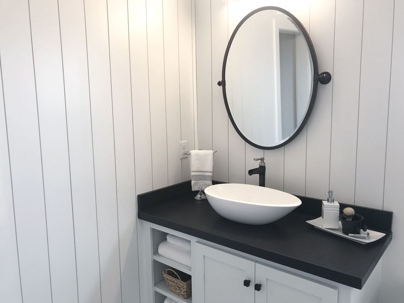
If you want a minimalistic, sleek, modern design, you will appreciate the vessel sink. The whole basin will sit atop your countertop, so it will really stand out. Feel free to experiment with different materials such as stone or even ceramics. This style can go a long way to making your sink stand out in your bathroom.

Kitchen Options

Here we’ll discuss the more functional side of sinks. Your kitchen needs to be functional or you will never use it. If you’re installing a sink, don’t set yourself back. Go for functionality!

Double Basin

You probably don’t want or need a huge restaurant-style kitchen. You’re going to have to make do with one, maybe two sinks. This means you need to maximize what your sink can do. This is where the double basin sink comes into play. Since there are two bowls in this sink, you can effectively separate dishes to make your dishwashing simple and straightforward.

Workstation

A workstation sink is the best of the best. You’ll find this type of sink in professional kitchens. If cooking is your passion, you may want to consider this choice. It’s going to be big and have everything you need to effectively separate items in your sink while having a great faucet as well. Of course, these cost a bit more because they can be quite intricate. However, maybe it’s the right choice for you!

The plumbing experts at Mallick Plumbing & Heating have you covered for all of your home plumbing needs. If you’re interested in a water softener system, give us a call at (301) 804-6759 or fill out an online contact form!

Why Backflow Prevention is So Important

What is Backflow?

Backflow is the simple process of unwanted water flowing in the opposite direction than it should. This is a general term that can apply to many situations in plumbing, but your mind is probably zeroing in on the most obvious one of a toilet tank filling with dirty water.

Why is Preventing Backflow So Important?

It probably goes without saying, but we trust our water to be potable, or drinkable. Backflow is one of the most common ways water can become contaminated and not fit for human consumption. This is so important that nearly every building has some sort of plan or mechanism in place to prevent backflow from poisoning the water supply.

What Causes Backflow?

Unlike many plumbing problems, there are only a few limited causes of the problem. One is backpressure. This is when the pressure pushed water back up the system where it shouldn’t be. This can occur from a variety of reasons, from ventilation issues to improper drainage.

The other main cause is back-siphonage. This occurs when pressure is too low on the supply side. In this case, dirty water can be pulled back and cause contamination.

How Can We Prevent Backflow From Happening in the First Place?

The construction of backflow prevention valves and devices is centered around potential risk. We don’t want to waste time protecting an area of your plumbing that has no real risk of causing problems. So first, there is a risk assessment and then proper precautions are installed.

One of the main ones is using an air gap. You may be surprised to learn that air is used throughout your plumbing system for various reasons and backflow prevention is one of them.

The other is a check valve. While an air gap is required during construction, often it is not adequate to prevent backflow. This is especially the case if there are factors that were unaccounted for during construction.

The plumbing experts at Mallick Plumbing & Heating have you covered for all of your home plumbing needs. If you want to prevent backflow from poisoning your water, give us a call at (301) 804-6759 or fill out an online contact form!

Explained: Three Strange Sounds Your Toilet Makes

You’re familiar with the sounds your toilet makes — so familiar that anything out of the ordinary may be cause for concern.

Here are three toilet noises to keep an ear out for and what they could mean.

Hissing

The brief hissing that accompanies your tank refilling is perfectly normal. However, persistent hissing is a sign one of these two problems:

Malfunctioning flap: Lift the lid and examine the flap on the bottom of the tank. If it appears cracked or brittle, you likely found your culprit. The deteriorated flapper isn’t creating a seal, allowing water to slip past into the bowl. This causes the tank to refill continuously. It’s an audible nuisance and a waste of water.

Replacing the flapper is an easy DIY job. Just follow the instructions on the package.

Faulty float: The float is the mechanism that raises and lowers with the water level in the tank. If it rises higher than the overflow tube, excess water will spill down into the tube, prompting a continuous refill.

To adjust the fill height, press the clip on the side of the float to move it down the rod. Position the float an inch or two below the top of the overflow tube. Then flush the toilet to see if the float stops below at the adjusted level. If that doesn’t do it, call a plumber.

Gurgling or bubbling

This could indicate negative air pressure within the drain line. When this pressure releases, water in the toilet bowl will bubble.

A clog in the main sewer line, such as a root obstruction, can create this sort of airlock.

In severe cases, dirty water will back up into your sink or bathtub.

Get this fixed by a plumber ASAP!

Foghorn

Older toilets have a float the resembles a small, black balloon. This a ballcock-style fill valve, and you may have a loose washer inside the mechanism. It’s nothing detrimental — just super annoying.

To determine if this is the case, lift the tank lid and flush the toilet while holding up the float. If the sound is gone, you’ve found your problem. If you’re handy, you can disassemble the fill valve to replace the washer inside, or you can replace the entire fill valve.

If you run into any complications, contact Mallick Plumbing & Heating at (301) 804-6759.

Are You Using the Right Plunger?

If you’ve been struggling to unclog drains and toilets, your plunger may be the problem. The conventional red plunger is the one you most likely keep on standby, but it’s not always the best tool for the job.

There are four different types of plunger, each designed for a specific task:

  • The taze

  • The flange

  • The accordion

  • The flat

Let’s take a look at when each one of these would come in handy.
 

The 4 Different Types of Plungers

One of the most common reasons why people call the plumber is because of clogged drains. If your toilet or sink is backing up, you need to make sure you can unclog it right away. Other than investing in the right plunger, you should also make sure that you never put fats, oils, or grease down your drains.

The Taze Plunger

Taze plungers are considered specialty tools, and plumbing professionals generally use them. You should not use taze plungers for household plumbing issues. These professional-level plungers have a steel rod connected to a small disc. This disc is snaked down the drain in order to remove the clog. Again, they should only be handled by a professional.

The Flange Plunger

Many people refer to the flange plunger as a toilet plunger, but it can actually work with nearly any drain. It is extremely flexible and includes a cup with a soft, rubber flap. This fold-out flap allows it to work in the toilet drain for better suction.

You can use this plunger for toilets, sinks, and tubs. While it works for toilets and sinks, you should have one flange plunger for your toilet exclusively. Then, you can use a different plunger for other drains to avoid cross-contamination.

The Accordion Plunger

Unlike other types of plungers, the accordion plunger is not designed to be very flexible. Instead, it is made out of hard plastic. This allows it to generate more force, but the design also makes the accordion plunger trickier to use. The plunger’s plastic can potentially scratch the surfaces of your toilet. It can also be difficult to create a vacuum seal over your drains because of how hard the plunger is.

The accordion plunger is designed specifically to unclog toilets. Because of how much force it imparts, it should only be used in the case of a severe clog. If you are worried about scratching and damaging your toilet, you may want to leave this plunger to the professionals.

The Flat Plunger

The flat plunger — also called a sink plunger — is probably the one you have sitting next to your toilet. The flat plunger is not ideal for unclogging toilets. Instead, the flat cup is actually better for flat surfaces like bathtubs and sinks. If you use it on the right surface, the flat cup makes a vacuum over the drain in order to dislodge the clog.

Tips for Clearing Clogs

If you are dealing with a clog in your home, the following tips will help you remove it as quickly as possible.

  • Make sure to use the right plunger.

  • You should create suction by slowly pressing down to remove air from the plunger. This helps you make a better seal.

  • Plunge straight down because using an angle will decrease the amount of force you can use.

  • To make the best possible seal in a sink or bathtub, make sure to submerge the plunger in water.

  • If your plunger is torn, it will not be able to achieve a good seal. Keep your plunger in good condition by keeping it clean and dry when you are not using it.

Bottom line: You would use a Phillips screwdriver on a slotted screw. The same principle applies to plungers and clogs. Use the right tool for the right job. If your plunger still fails you, give Mallick Plumbing & Heating at (301) 804-6759.

The Internet Can’t Make You A Plumber

The internet is a powerful resource. You can learn how to play the guitar from online tutorials, get the fastest, first-hand coverage of breaking news, and stay in touch with those we love even when we can’t see them in person. While the internet is an amazing asset to our culture, it does have its limitations. If you’re trying to become an expert plumber in just a day’s time because you want to clear a pipe in your home then you’re barking up the wrong tree.

We discourage DIY efforts in almost any context when it comes to your plumbing. That’s because this system is so complex that it needs professional care. If you’re looking for an expert to help you with drain cleaning in Rockville, MD then make sure that you contact our team at Mallick Plumbing & Heating.

Signs You Need a Drain Cleaning

Here are a few big signs that you need drain cleaning in your home:

  • You Can Smell Your Drains: One thing that you never want to be able to do is smell your drains. If you notice a localized drain odor then you probably have drain build-up involving food, organic waste, or just some other smelly material in your home. Drain build-up is a nasty problem that needs the attention of a professional.
  • Low Water Pressure: Notice that your showerhead or faucet doesn’t really work like it used to? Then you’re struggling with low water pressure. Low water pressure is more than likely due to natural build up or hard water. A drain cleaning service can eliminate both issues.
  • Slow Draining: Do you find yourself standing in a puddle in your shower? Or maybe you’re looking down into what could be a small pond of water every time you wash your hands. Drain blockages are a clear sign that you have an obstruction in that drain. Instead of trying to fix the problem on your own, make sure that you hire a professional.

Why You Should Call a Professional

So now you’re probably wondering, “Do I really need to hire a professional for this?” The answer is yes! We know that this may seem a little biased coming from a team of professionals, but trust us, we see the aftermath of a lot of DIY attempts and they’re bad. You can do some real damage to your plumbing system. You might think that you’re saving yourself money by doing this, but in reality, all you’re really doing is making the path to finding relief with your plumbing system much longer than it needs to be.

As a homeowner, you probably have the necessary tools to fix a partial clog, but we can assure you that you don’t have a professional grade hydro-jet to clean your draining system. Our professional plumbers combine their expertise, education, and an extensive number of tools to fix your drain problems in a snap.

When in doubt, call a plumber! Don’t try to DIY your plumbing system. If you’re looking for an affordable plumber in the Rockville area make sure you schedule an appointment with our team here at Mallick Plumbing & Heating today.

Helpful Plumbing Tips for Spring

Spring is a great time of year. The temperatures are heating up and we’re finally being enveloped in some sunlight after a long winter here in Maryland. So many homeowners make the mistake of not paying any attention to their home until it gets too late. You should always stay on top of the function of your plumbing system.

There’s a common misconception that it’s standard to wait until you have a problem on your hands but there are many things that you can do to prevent a plumbing problem in your home. If you’re looking for a great plumber in Frederick, MD then make sure that you contact Mallick Plumbing & Heating.

Helpful Measures for Your Plumbing

Here are a few things you can do to help keep your home running well this summer.

  • Invest in a Drain Strainer: If you want to help your drains do their job you can invest in a drain strainer. Drain strainers are a way of keeping your drains from clogging. Things like soap scum, hair, and food out of your pipes.
  • Schedule a Water Heat Tune-Up: Have you had your water heater serviced this year? If you haven’t, now is a great time to do so. You should have your water heater flushed regularly so that you rid it of any sediment and ensure that it always performs efficiently. Just because winter is over doesn’t mean that you don’t need hot water. Make sure that you give this appliance the attention it needs.
  • Clean Your Drains: Clean out your gutters, drains, and downspouts. Making sure that these areas are free and clear of debris that collected during winter will save you a headache in spring.
  • Check Your Faucets: Look for any drips or leaks that might lead to repairs in a home. If one of your sink faucets seems to drain a little sluggishly, schedule an appointment with our team to a drain cleaning. Make sure that everything is in order before spring. Prevention is the key to good plumbing services.
  • Check On Your Sump Pump: Spring is the time of year that you need your heat pump the most. Heavy spring rains can cause a flood in your basement if you’re not careful so make sure that you contact a professional before the season is in full swing.

Contact Mallick Plumbing & Heating Today

There’s so much to know when it comes to your heating system and it’s easy to be overwhelmed. If you need help making sure that your plumbing system is ready for spring then make sure that you contact our team. We provide the full gambit of plumbing service including plumbing, drain and sewer, water heaters, and water treatment systems. We’ve serviced the Greater Washington Metro Area for years and we can give you the service you need too.

There are a lot of plumbing problems that pop up during spring. Watch out for the ones listed above and if you have a plumbing problem then make sure that you contact our team at Mallick Plumbing & Heating.

5 Major Reasons to Call a Plumber

Ideally, if you’re having any type of plumbing problem in your home you’ll make sure to contact a plumber for professional service. We really discourage our customers to try to DIY their own plumbing services or to go without service because they’d like to save a little money. There’s really no plumbing problem too big or too small for a professional plumbing team.

If you have a big problem on your hands and you need an emergency plumber in Frederick, MD then contact our team today. If you’re unsure if the problem you’re experiencing is something that qualifies as “emergency plumbing” make sure that you reference our list below. Plumbing isn’t always a clear service and it will help you decide what’s urgent and what isn’t.

If You Have These Problems Make Sure You Pick Up the Phone

Dripping Faucets

Having a faucet drip endlessly in your home is annoying all on its own and it becomes an even bigger problem when it raises the price of your water bill significantly. Not a lot of people consider this an “urgent” emergency on their own, but we do. All those droplets really add up over time. If you can’t seem to fix this leaking faucet on your own or the task always seems to end up at the bottom of your to-do list, make sure that you contact a plumber from our team to schedule an appointment.

Slow/ Clogged Drains

Does water linger in your sink when you wash your hands? A slow or clogged drain is a problem in any home. The last thing that you want to do in this situation is to buy a chemical drain cleaner. Chemical drain cleaners are terrible for your plumbing system and often result in a myriad of other plumbing issues. Make the smart decision and reach out for the help of a professional.

Leaky Pipes

Age, constant use, and the extreme heat and cold we experience in Frederick on a cycle throughout the year can really wear down the metal of your pipes. If you notice that your water pressure has decreased or that your bill has risen, make sure that you also keep an eye out for any wet spots on your ground or ceiling.

Running Toilets

A running toilet is another one of those problems that are definitely annoying but seemingly benign. In actuality though, a running toilet can waste up to 200 gallons of water per day. If you call a professional plumber to service your home it’s an incredibly easy fix.

Water Heater

The water heater in your home probably has a lifespan of about eight to twelve years. If your showers aren’t getting hot enough, not staying hot enough, or just never have hot water, make sure that you contact our team. We can guide you through the process of replacement or perform a flawless repair.

There are many reasons to contact a plumber. A good rule of thumb to follow is: any plumbing problem you’re having (big or small) is a good reason to contact a professional. Contact our team today to schedule an appointment with our team at Mallick Plumbing & Heating.