Preventing Common Summer Plumbing Problems

Summer is a time for relaxation, outdoor activities, and enjoying the sunny weather. However, it’s also a season when plumbing issues can arise due to increased usage and unique challenges posed by the hot weather. To help you avoid these common problems and enjoy a hassle-free summer, we’ve compiled a list of practical tips to keep your plumbing system running smoothly.

1. Protect Your Pipes from Tree Roots

Tree roots are notorious for infiltrating plumbing systems, causing blockages and leaks. To prevent this issue, it’s crucial to maintain a safe distance between trees and your plumbing lines. Regularly inspect your yard for any signs of root intrusion, such as slow drains or foul odors. If you suspect a problem, consult a professional plumber who can assess the situation and provide appropriate solutions.

2. Safeguard Against Sewer Line Backups

Summer storms can overwhelm sewer systems, leading to backups that can cause extensive damage to your property. To protect against this, consider installing a backwater valve. This device prevents sewage from flowing back into your home during heavy rainfall or sewer line surges. Additionally, avoid disposing of grease, food scraps, or other non-flushable items down the drain, as they can contribute to clogs and backups.

3. Maintain Your Sprinkler System

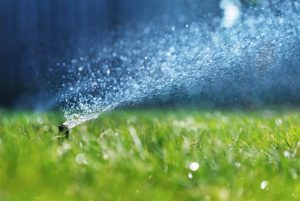
A well-functioning sprinkler system is essential for maintaining a lush and healthy lawn during the summer. However, it’s vital to ensure that your sprinklers are not causing unintended damage to your plumbing system. Inspect your sprinkler heads regularly to identify any leaks or misalignments. Adjust the water pressure to prevent excessive strain on your pipes, and consider installing rain sensors to prevent unnecessary watering during periods of rainfall.

4. Prevent Clogged Drains

With increased outdoor activities and gatherings, your drains can become prone to clogs during the summer months. To prevent this issue, use drain strainers in sinks, showers, and tubs to catch hair, food particles, and other debris. Encourage your family and guests to dispose of waste properly and avoid flushing anything other than toilet paper down the toilet. Regularly flush your drains with hot water and vinegar to remove any buildup.

5. Maintain Your Water Heater

While summer is typically associated with warm weather, it’s still important to ensure your water heater is in good working condition. Sediment buildup can reduce its efficiency and lifespan. Consider draining your water heater annually to remove any accumulated sediment. Additionally, check the temperature setting to ensure it’s not set too high, as this can waste energy and increase the risk of scalding.

By following these five tips, you can prevent common summer plumbing problems and enjoy a worry-free season. However, if you encounter any plumbing issues or need professional assistance, don’t hesitate to contact Mallick Plumbing & Heating, Inc. Our team of experienced plumbers in Gaithersburg, MD, is ready to provide reliable and efficient solutions to all your plumbing needs.
The Ultimate Plumbing Maintenance Checklist

As a homeowner, it’s important to keep your plumbing system in top shape to avoid costly repairs and unexpected emergencies. With Mallick Plumbing & Heating, Inc.’s  plumbing maintenance checklist, you can ensure your plumbing system is running smoothly all year round.

1. Check for leaks

Leaks can cause significant damage to your home and can also lead to high water bills. Check for leaks in your faucets, toilets, and pipes regularly to avoid any potential problems.

2. Inspect your water heater

Your water heater is an essential part of your plumbing system. Make sure to inspect it regularly for any signs of wear and tear, such as rust or leaks. You should also flush your water heater once a year to remove any sediment buildup.

3. Clean your drains

Clogged drains can cause significant damage to your plumbing system. To avoid clogs, make sure to clean your drains regularly using a mixture of baking soda and vinegar. You can also use a drain snake to remove any stubborn clogs.

4. Check your water pressure

High water pressure can cause damage to your plumbing system over time. Make sure to check your water pressure regularly and adjust it if necessary.

5. Inspect your pipes

Pipes can become damaged over time, leading to leaks and other plumbing problems. Make sure to inspect your pipes regularly for any signs of wear and tear, such as rust or corrosion.

By following these tips, you can ensure your plumbing system is running smoothly all year round. If you’re in need of professional plumbing maintenance services, contact Mallick Plumbing & Heating, Inc. Our team of expert plumbers can provide you with a comprehensive plumbing maintenance checklist tailored to your specific needs.

Plumbing Codes and Regulations in Maryland: What You Need to Know

As a homeowner in Maryland, it’s essential to be aware of the plumbing codes and regulations that govern your property. These codes ensure residents’ safety and well-being and maintain the integrity of the plumbing system. This comprehensive guide will discuss some of the most important aspects of Maryland’s plumbing codes and regulations and provide tangible and valuable tips to ensure your home is up to code.

Understanding the International Plumbing Code (IPC)

The International Plumbing Code (IPC) is a model code adopted by many states, including Maryland. The IPC provides minimum regulations for plumbing facilities and covers aspects such as installation, alteration, repair, replacement, and maintenance of plumbing systems. To ensure your home is compliant with the IPC, it’s crucial to familiarize yourself with its requirements and hire a licensed plumber who is well-versed in the code. You can access the 2018 IPC online to learn more about the specific regulations.

Local Plumbing Codes and Regulations

In addition to the IPC, Maryland has plumbing codes and regulations that may vary depending on your local jurisdiction. These codes are often more stringent than the IPC and are designed to address specific concerns within the state. To ensure compliance, it’s essential to consult with your local building department or a knowledgeable plumber who can help you navigate these regulations. Some of the local codes in Maryland include the Montgomery County Residential Building Code and the Baltimore County Code of Ordinances.

Plumbing Permit Requirements

Before undertaking any plumbing work in your home, it’s essential to determine whether a permit is required. In Maryland, permits are generally required for new installations, alterations, and repairs that involve the plumbing system. Some projects that may require a permit include installing a new water heater, replacing a sewer line, or adding a bathroom. To obtain a permit, you must apply to your local building department, along with any required fees and documentation. Remember that working without a permit can result in fines, penalties, and potential issues when selling your home.

Hiring a Licensed Plumber

Hiring a licensed plumber is one of the best ways to ensure your plumbing project complies with Maryland’s codes and regulations. Licensed plumbers have undergone extensive training and testing to demonstrate their knowledge of plumbing codes and best practices. When hiring a plumber, verify their license status with the Maryland Board of Plumbing and ask for references from previous clients.

Regular Plumbing Inspections and Maintenance

Regular plumbing inspections and maintenance ensure your home complies with the plumbing codes and regulations. A professional plumber can identify potential code violations and recommend necessary repairs or upgrades to keep your system in good working order. By staying proactive with your plumbing maintenance, you can avoid costly repairs and potential fines related to non-compliance.

At Mallick Plumbing & Heating, Inc., we understand the importance of adhering to Maryland’s plumbing codes and regulations. Our team of licensed plumbers is well-versed in the IPC and local codes and can help you navigate the complexities of your plumbing project.

Contact Mallick Plumbing & Heating, Inc. today to schedule an appointment and ensure your home is up to code!

Winterizing Your Home

As the temperatures cool it’s important to take stock of your home and prepare it for winter weather. So, what is ‘winterizing’ and why should you winterize your home? Keep reading to find out!

What Is Winterizing?

Winterizing is the process of preparing your house for the winter. This can be done by insulating pipes, sealing windows and doors, and adding extra insulation to the rest of your house. While winterization is typically used to prepare homes for vacancy during winter months, homeowners at high elevations and in areas with bitterly cold temperatures should consider winterization to preserve their home for years to come.

Most Common Ways to Winterize

While some people leave their home for warmer vacation homes, most people weather the winter by staying put. If you are planning to stay home, there are some simple but effective ways to winterize.

Some of the most common methods include:

  • Weather Stripping: Installing storm doors and windows can help to insulate a home, but a more cost-effective method is weather stripping. Adding strips of rubber or plastic seals around doors and windows helps to keep out drafts and hold in heat. Door sweeps also work to keep the warm air in and the cold air out.
  • Pipe Insulation: In many regions, burst pipes are a risk in the colder months. As near freezing water enters the pipes at high pressure, can cause the metal to contract which further weakens already vulnerable parts of the plumbing system. As the cold water continues to rush through, it could cause these week parts to collapse and burst altogether. Using pipe wrap and insulation fittings helps to protect pipes from the cold and prevent bursting.
  • Clean and Protect Gutters: While gutters don’t contribute to drafts, failure to clean them properly could cause build up and prevent proper snow drainage. If snow collects on the roof, it could cause strain, leaking, or even collapse over time. When prepping a home for the winter, it is crucial that you clean the gutters to ensure proper drainage and install gutter guards to keep out leaves and other debris that could clog them.
  • Fireplace Cleaning: Fireplaces are essential during the colder months, but when there are animal nests or creosote buildup a simple fire could become a serious hazard. Not only does cleaning the fireplace prevent issues, but it can also reveal opportunities for sealing and insulation if the fireplace is older or prone to draftiness. In some cases, a fireplace may be too drafty, and you may want to seal it for the winter season.
  • Sealing: Gaps in windows, openings in the attic, and other areas could be responsible for drafts and loss of heat during the winter. Using caulk and insulation to reinforce and seal these areas can protect you from the cold and save money on heating costs.

Are You Ready for Winter?

If you are a homeowner, it may seem like there is an endless list of things you have to do to prepare for changes in the weather. Keeping up with winterization can be a hassle, and it’s easy to forget a task or two. With the help of qualified contractors, you can protect your home, preserve your plumbing, and maximize the effectiveness of your water heater just in time for winter.

Schedule an appointment with Mallick Plumbing & Heating, Inc. today!

5 Things You Should Know About Your Home’s Plumbing

It is important to leave plumbing matters to the professionals, but there are somethings homeowners must know about their plumbing system. Keep reading for the top five things you should know about your home’s plumbing.

How Old Is Your Water Heater?

For those with a water heater, it is easy to forget or disregard the age of your water heater especially if you have not replaced it since you purchased your home. However, the age of your water heater could be crucial to the longevity of your plumbing system.

The age of your water heater is important information because:

  • The validity of your warranty
  • Whether you need to replace it
  • When regular maintenance is due
  • Home insurance coverage

If it is time to replace the water heater, you should do so as soon as possible. If your water heater has a few years before recommended replacement, you should contact a plumber about regular maintenance and get their recommendation for when to make a replacement later on.

Additionally, if the water heater is too old it may also be past warranty, or your home insurance plan may not cover damage that results from a breakdown.

Locating Your Water Valve

In case of emergencies like flooding or overflowing, you should know where your 3water valve is and how to shut it off to prevent worsening conditions. If a toilet is overflowing or a washer is flooding, it is crucial that you stop the flow at the source as soon as possible. Flooding can damage your home beyond repair and cost you dearly. Knowing where the valve is and how to turn it off is important for the safety of your home and the lifespan of your plumbing system.

What Your Incoming Water Pressure Is

Most people only think about water pressure when they are taking a shower, but water pressure is an indicator of far more. Proper water pressure preserves your pipes, and the entire system depends on water flow.

If water pressure is low, it could be an indicator that there may be:

  • Leaky pipes
  • Pipe corrosion
  • Poor water distribution
  • Mineral buildup
  • Valve or regulatory malfunctions
  • Clogged pipes

On the other hand, high water pressure may also be an indicator of issues like:

  • The home is at a lower elevation than the water source
  • The water pressure regulator is broken
  • There is too much water flowing into the plumbing system

Understanding water pressure is important because fluctuations could include signs of bigger issues down the line.

How To Clean Your Pipes

One of the simplest things a homeowner can do to preserve their plumbing system is properly clean their pipes. However, while this is a simple fix, if done improperly, can cause more damage. There are countless products marketed as pipe cleaning agents and tools that supposedly help homeowners to keep their pipes clean, but the reality is many of these products harm plumbing systems over time. Popular drain cleaners often erode pipes over time and may lead to leaks and flooding.

Take Care of Your Plumbing System

It is important to know how your home plumbing system works and how you can maintain it. However, when issues arise, the best way to protect your home is by choosing a qualified plumber. Mallick Plumbing & Heating, Inc. is the service contractor of choice for residential and commercial plumbing in Gaithersburg. When you need dependable plumbing services, choose Mallick Plumbing & Heating, Inc.

Call today and protect your home.

Asking Questions to Determine the Quality of Your Home’s Water Supply

Whether you’re in the process of purchasing a new home or evaluating your current one, water quality is not something that is on the forefront of your thought process – but maybe it should be. As often as you and your family utilize water in your day-to-day life – from cleaning to bathing to drinking – it is preferable your water is of quality, but if it is not, you need to be aware to make the appropriate changes. If not, it can harm you and your home.

With this issue in mind, here are four questions you should ask about your home’s water system and water quality.

Top 4 Water Quality Questions to Ask Your Plumber

  • Where is the House’s Water Source Located?
  • What are the most common water issues in the area?
  • Does the home have a water treatment system?
  • Are there signs I should watch for that suggest my water quality is poor?

Where is the House’s Water Source Located?

This should be your first plumbing-related question to your realtor. Once you know this, you can find out more about how it’s treated and if it has any historical quality issues. Municipal water systems are required to maintain government standards. In the United States, the Environmental Protection Agency (EPA) sets water quality standards for the limits for almost 100 contaminants. Even with stringent regulations, water quality issues can still affect your household water supply. Quality concerns can derive from old pipes or contaminated transit routes where the water picks up contaminants while traveling into your home system.

What are the Most Common Water Issues in the Area?

It’s best to know upfront what issues others in your area are working to fix. Knowing what you are facing and if you want to deal with the problem is vitally important if you are considering purchasing a home. Minor issues that make your water unpalatable have easy solutions; however, you want to find out if there are health risks from the water coming into a home you plan to purchase. If the water is toxic, then you want to know why. Is the problem from the source or caused by your plumbing system? These are important questions you should ask your realtor and research yourself to make informed choices.

Does the Home Have Water Treatment?

Knowing whether a home has a water treatment system installed is the ultimate answer to your water quality questions. If the water in the home is being treated, then you have a place to start to find more information about the home’s water quality. You can also rest easy knowing the water is being treated and is safe for consumption and use. Water treatment systems add value to a home, so finding out a system is installed is a value-add to the home you’re purchasing. Traditional water treatment systems included water softeners, filtration systems, and reverse osmosis units. It’s a good idea to bring in a water treatment professional to test the systems to ensure they work and answer any questions or concerns you may have.

What Signs Indicate my Water Quality is Poor?

Many municipal water systems send out water quality reports or post them online. If you can’t find this document, you should note how your water tastes when you’re using it. Does it have a mineral aftertaste? Is your skin irritated after using it? Water with a heavy mineral load may be unpleasant to drink, but it’s typically not dangerous. There is a huge difference between hard water and poor-quality water. However, noticing your water is hard may be the first step toward establishing your overall water quality.

Choose Mallick Plumbing & Heating for Water Treatment Systems in Gaithersburg

Whether you have an existing water treatment system that needs to be inspected or wish to have a new system installed to protect you and your family in your new house, our expert technicians are ready to help with whatever you need. At Mallick Plumbing & Heating, we are committed to providing our customers with exceptional services. Call us today at (301) 804-6759.

Why is Sump Pump Maintenance So Important?

Why Is Sump Pump Maintenance So Important?

If you have a sump pump, you know how hard it works to protect your home. A sump pump is installed on the lowest level of your home, so it’s able to prevent flooding in your basement or crawlspace. Your sump pump is housed inside a sump pit out of the way, so it’s easy to forget about it unless it stops working.

A sump pump sits in your home on standby, waiting for a reason to be activated. When there are heavy rains, your system will switch on once the groundwater around your home is high enough to activate the pump’s float switch. Once the system has removed the water away from your home, it will go back into standby status.

The water from the sump pump is typically drained into a storm drain, retention pond, or well. The sump pump acts as a fail-safe device preventing flooding in the lowest levels of your house. Because it serves such an important purpose, you must ensure your sump pump is in good condition and ready for action.

Sump Pump Maintenance Best Practices

By following a few sump pump maintenance best practices, you can keep your system in good condition. How often your system needs maintenance will depend greatly on seasonal weather conditions.

The harder your system works, the more maintenance it will need to ensure its components won’t become too worn. If your sump pump has been exposed to high levels of wear and tear, maintenance can ensure it doesn’t break down when you need it most.

Sump Pump Maintenance Checklist

The following steps will help you get your sump pump ready for action. It’s important to unplug your system from its power supply before performing any maintenance or inspections.

  • Clear Debris from the Sump Basin: Access the sump basin and remove debris. All loose and lodged debris must be removed, so the pump is easier to access for additional cleaning.
  • Check the Pump for Corrosion: Remove the pump from the basin. The discharge pipe will need to be removed from the pump as well. If the discharge pipe does not disconnect from the pump, it could be a sign of mold, corrosion, or buildup at the joint. Using a cloth or sponge, clean the pipe using a nonabrasive disinfectant. You can clean the pipe with just a damp cloth. If the pump is very soiled, you may need to rinse it first. Inspect the pump for corrosion. If you find any, contact your sump pump maintenance professional.
  • Check the Pump Inlet Screen: Find the sump pump inlet screen at the pump’s base. The screen serves as a filter that keeps debris from damaging your system. You can use a brush to clean the filter, removing any debris that may be trapped. Depending on your system model, you can take this time to lubricate the pump’s bearings if recommended for your unit.
  • Check the Discharge Pipe: Inspect the drainage system of your sump pump. You need to ensure your drainage system isn’t compromised and that nothing is preventing the free flow of drainage water. The discharge pipe should be carrying water at least 20 feet away from your foundation to keep your home protected.

How to Perform a Sump Pump System Test

The system test consists of the following:

  • After cleaning your sump pump, replace all the parts and reconnect your system to its power supply.
  • Add several gallons of water to the basin and wait for your system to turn on from standby automatically.
  • During this test, ensure the float switch is operating properly. Once it activates to remove the water you placed in the basin, the maintenance routine is complete.

Choose Mallick Plumbing & Heating for Sump Pump Maintenance

If you need help maintaining your sump pump, our expert technicians are the pros you want on your side. At Mallick Plumbing & Heating, we are committed to providing our customers with exceptional plumbing services, which is why we are a preferred service provider throughout Maryland, Virginia, and the District of Columbia.

Call us at (301) 804-6759 or contact us online to schedule sump pump maintenance with the team at Mallick Plumbing & Heating today!

Planning a Party? Protect Your Plumbing!

Having people over to your home can be fun, but parties can wreak havoc on your plumbing. Luckily, there are some simple steps you can take to protect your plumbing:

Keep a Trash Can in Your Bathroom

Guests will need a place to dispose of feminine products and baby wipes. Place a trash can right next to the toilet, so guests know to throw these items away instead of flushing them down the toilet and creating a clog.

Handle Small Clogs with a Plunger

Speaking of clogs, they happen! (Especially with alcohol and tasty appetizers). Keep a plunger nearby, so guests can resolve small clogs by themselves. You can also let your guests know to notify you if the bathroom needs attention.

Share ALL Your Bathrooms

Don’t let your guest bathroom work overtime if you have others to spare. Believe us, your personal bathroom is much less unsightly than a toilet that suffers a large clog due to constant use.

Plus, multiple guests will be able to relieve themselves at the same time if necessary.

Don’t Rely on the Garbage Disposal

Always scrape leftover food into the trash before putting dishes in the sink or loading them into the dishwasher. Putting fats, oils, grease, and other food items down the garbage disposal can cause a clog.

Avoid a Hairy Situation

Equip all the drains in your house with hair catchers. This can help prevent hair from building up in your drains and keep unwanted items out of your pipes. Hair catchers only cost a couple of dollars each and they can save you tons of money in repairs.

Call an Emergency Plumber If Needed

Mallick Plumbing & Heating, Inc. can solve your emergency plumbing situations 24 hours a day, 7 days a week.

If your party needs a hero, our expert plumbers are always available at (301) 804-6759 and online.

How Do Airplane Bathrooms Work?

If you’ve ever wondered how an airplane bathroom works, you’re not alone. Does it get collected into a tank? Jettisoned out of the plane at 12,000 ft in the air?

Toilets can be a taboo topic for many, but let’s break through the stigma and discover what exactly goes on in the bathroom — for all our sakes.

What’s in a Toilet?

The average toilet found in a residential home is typically a porcelain bowl connected to a tank that fills with water after every flush. The waste is flushed from the bowl, out through the connected plumbing, and into either a sewer system or a connected septic tank, depending on where you live.

The method of waste removal is great for a non-moving bathroom, but on trains or airplanes (methods of travel that usually have restrooms onboard), turbulence and motion don’t mix well with an open bowl of toilet water. Enter: the vacuum toilet.

Airplane Toilet vs Traditional Toilet

Vacuum toilets are the stereotypical toilets you’ll see on transport services. These toilets don’t use a siphon and gravity to flush waste in the same way a traditional residential toilet does. Instead, vacuum toilets feature a valve inside the sewer line to suck all the content of the bowl out. The waste is collected in a separate tank that needs to be emptied out on arrival.

The suction of the valve creates the loud noise you may be familiar with if you’ve ever been on a plane. The benefits of this system as convenience and hygiene — the vacuum method means that toilets have to use less water and/or sanitizing liquid in the flushing process to keep the bowl and line clear. This system also uses significantly less water than the traditional home toilet does. Vacuum systems can flush with half a gallon of water, whereas a low-flow siphon toilet uses about 1.6 gallons. In contrast, older, non-efficient models can use up to 5 gallons per flush!

So there you have it! Traditional toilets use water and gravity to flush waste, but airplane and train bathrooms utilize vacuums and thus, don’t have to rely on water sloshing around to clean the bowl.

Got toilet troubles? Get in touch with your team at Mallick Plumbing & Heating at (301) 804-6759 for bathroom plumbing installation, replacement, repair, or maintenance.