Gas Line Safety: When to Call a Plumber in Maryland

Gas plumbing is the one part of your home where the cost of an amateur fix is measured in lives, not dollars. Natural gas is safe when contained and dangerous the moment it isn’t. If you’re researching gas line repair in Maryland because you smell gas, hear a hissing near a pipe, or are planning an appliance install that requires new gas-line work, this guide covers what to do first, when to call the utility versus a licensed plumber, and how Mallick Plumbing & Heating handles residential gas-line work across Gaithersburg, Frederick, and the rest of our service area.

Signs of a Gas Leak

Most gas leaks are caught by one or more of these signs:

  • The smell. Natural gas is odorless on its own, so utilities add mercaptan, a sulfur compound that smells like rotten eggs. If you smell it, treat it as a real leak until proven otherwise.
  • A hissing or whistling sound near a gas appliance, line, or meter. Even a small audible leak is significant.
  • Dead or dying vegetation along the path of an underground line. Gas escaping into soil kills plants directly above it.
  • A higher-than-normal gas bill with no change in usage. A persistent small leak shows up on the meter.
  • Physical symptoms: dizziness, headaches, nausea, or fatigue that improve when you leave the home. Gas displaces oxygen in the air, and a leak large enough to cause symptoms is large enough to cause real risk.
  • Visible damage to a gas line or fitting. Rust, corrosion, or a broken connection on an exposed line is a leak risk even if no smell or sound is present yet.

What to Do First — Safety Steps

If you smell gas or suspect a leak, the response sequence matters:

  • Do not turn anything electrical on or off. No light switches, no thermostat, no garage door opener. An electrical spark can ignite an accumulated gas pocket.
  • Do not use any open flame. No candles, no lighters, no stove burners.
  • Get everyone — and pets — out of the house immediately. Don’t pause to gather belongings.
  • Once outside and away from the home, call 911 and the gas utility’s emergency line. For Washington Gas customers across most of Maryland, the emergency number is on the utility’s website and the back of your bill.
  • Do not return until the utility or fire department says it’s safe.

The U.S. Consumer Product Safety Commission publishes guidance on residential gas safety and recommends that every home with gas appliances also have working carbon monoxide detectors on every level — gas leaks and combustion problems often go together.

Common Maryland Gas Line Issues

The gas-line work we see most often in Gaithersburg, Montgomery County, and Frederick County falls into a small set of categories:

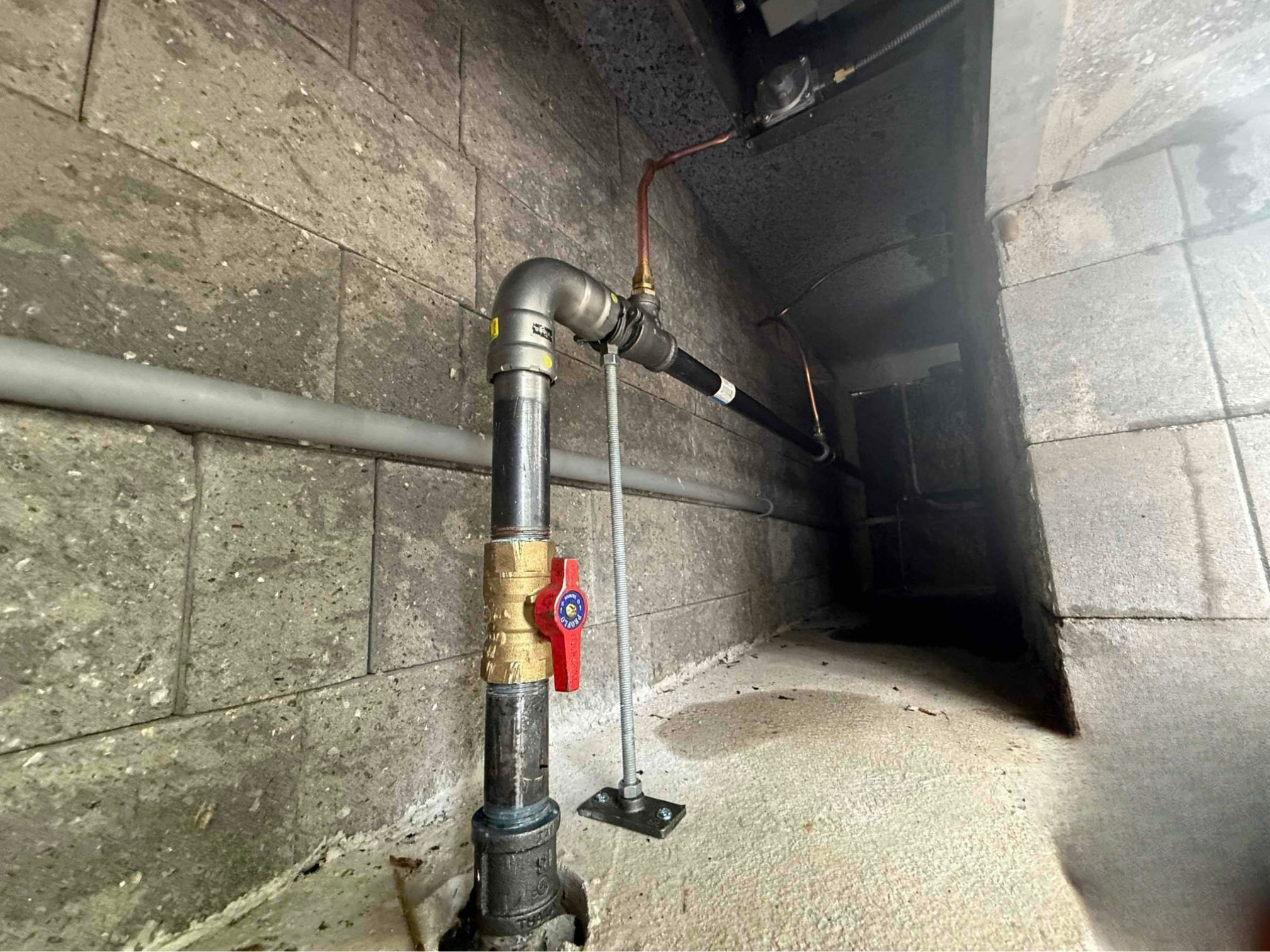
  • Aging black iron pipe. Older Maryland homes have black iron gas pipe that develops external corrosion over decades. The fittings are usually the first failure point.
  • Improper modifications. A previous owner or a non-licensed installer added a fitting, capped a line, or extended a run incorrectly. We find these constantly during pre-purchase inspections.
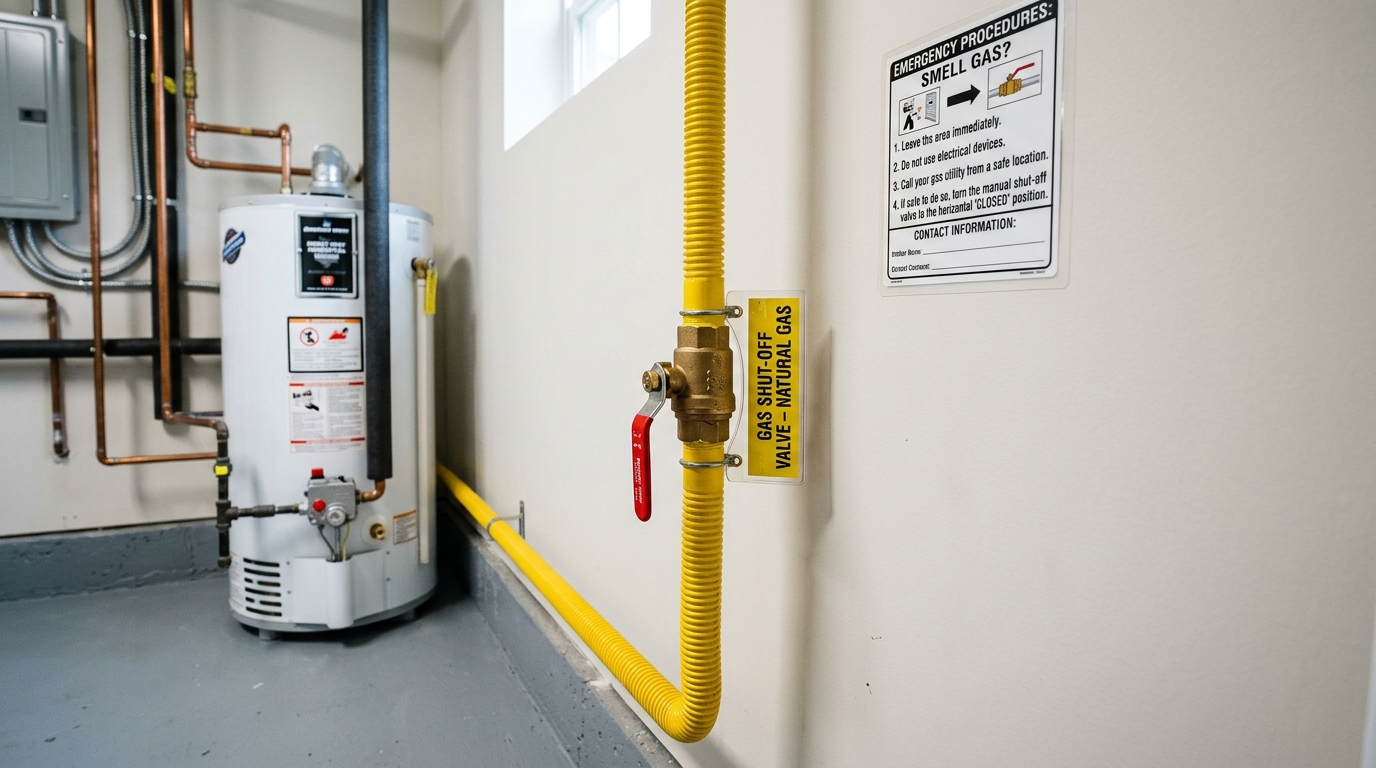
  • Damaged flex connectors. The yellow flexible connectors between a gas line and an appliance have a finite life. Kinks, cracks, and improper installation are common.
  • Undersized lines for newer appliances. A homeowner upgrades to a high-output tankless water heater or a larger range and discovers the existing gas line can’t deliver enough BTU. Underperforming appliances and odd pilot-light behavior follow.
  • Underground line damage. Tree root growth, ground settling, and old steel pipe corrosion can damage buried gas service lines. The U.S. Pipeline and Hazardous Materials Safety Administration emphasizes calling 811 before any digging to mark these lines.

When You Need a Licensed Plumber vs. the Gas Utility

This is one of the most common points of confusion for Maryland homeowners. Here’s the split:

  • The gas utility is responsible for the line from the street to your meter. Anything wrong on that side — including the meter itself — is the utility’s responsibility. They handle it at no cost to you in most cases.
  • You (and a licensed plumber) are responsible for everything past the meter. The gas line that runs from the meter into your home, through the walls, and to every appliance is residential plumbing. A licensed Maryland plumber is the right person to repair, modify, or extend it.
  • Active leak emergencies → call 911 and the utility first. Once the immediate safety risk is handled, a licensed plumber repairs the line.

Gas-line work is one of the most heavily regulated areas of residential plumbing in Maryland. Permits and inspections are required for nearly any modification. Skipping a permit on gas work doesn’t just risk a home-sale flag later — it risks lives.

The Repair / Replacement Process

A typical Mallick Plumbing & Heating gas-line job follows this sequence:

  • Diagnostic visit. A licensed plumber arrives, talks through the symptoms, tests for leaks with electronic gas detectors, and identifies the affected sections.
  • Written quote and permit pull. We provide an itemized written estimate and handle the Montgomery County or Frederick County gas-work permit application.
  • Shut-off and repair. Gas is shut off at the meter for the affected section. Repair or replacement work is performed using black iron pipe, CSST (corrugated stainless steel tubing) where appropriate, or copper depending on the application and code.
  • Pressure test. Every gas-line repair we perform is pressure-tested before reopening the line. The test confirms the entire repaired section holds pressure with no leaks.
  • Inspection. The county inspector signs off on the work. Until that sign-off, the line is not put back in service.
  • Re-light and verify. We re-light any pilot lights, verify each appliance is operating correctly, and walk you through what was done.

How Mallick Handles Gas Line Work in Maryland

Mallick Plumbing & Heating handles residential gas-line repair, replacement, and new-appliance gas connections across Gaithersburg, Rockville, Germantown, Bethesda, Frederick, Woodbine, and the surrounding communities. Every job is done by a licensed Maryland plumber. Every job pulls a permit and gets a county inspection. Every job is pressure-tested before being put back in service. For active gas emergencies, our 24/7 emergency line is staffed at all hours — though for any suspected leak, your first call should be 911 and the gas utility.

For more on the gas-line services we offer, visit our gas line services page.

Schedule a Gas Line Inspection in Maryland

If you’ve noticed any warning sign — even a faint smell that comes and goes — schedule an inspection. A 45-minute electronic gas-leak survey of your home identifies leaks at any level, including small ones you’d never smell. Schedule a gas line inspection with Mallick Plumbing & Heating today.

Emergency Plumbing in Gaithersburg, MD: What to Do Before the Plumber Arrives

A pipe bursts in your basement at 9 p.m. or you notice a sewage smell rising from a floor drain — what you do in the next ten minutes will decide how much damage the failure causes. If you need an emergency plumber in Gaithersburg, MD, calling Mallick Plumbing & Heating is the right first move. There are also several things you can do before our truck pulls into the driveway that protect your home and help us solve the problem faster. This guide walks through the exact steps Gaithersburg homeowners should take in a plumbing emergency.

Step 1: Shut Off the Water Supply

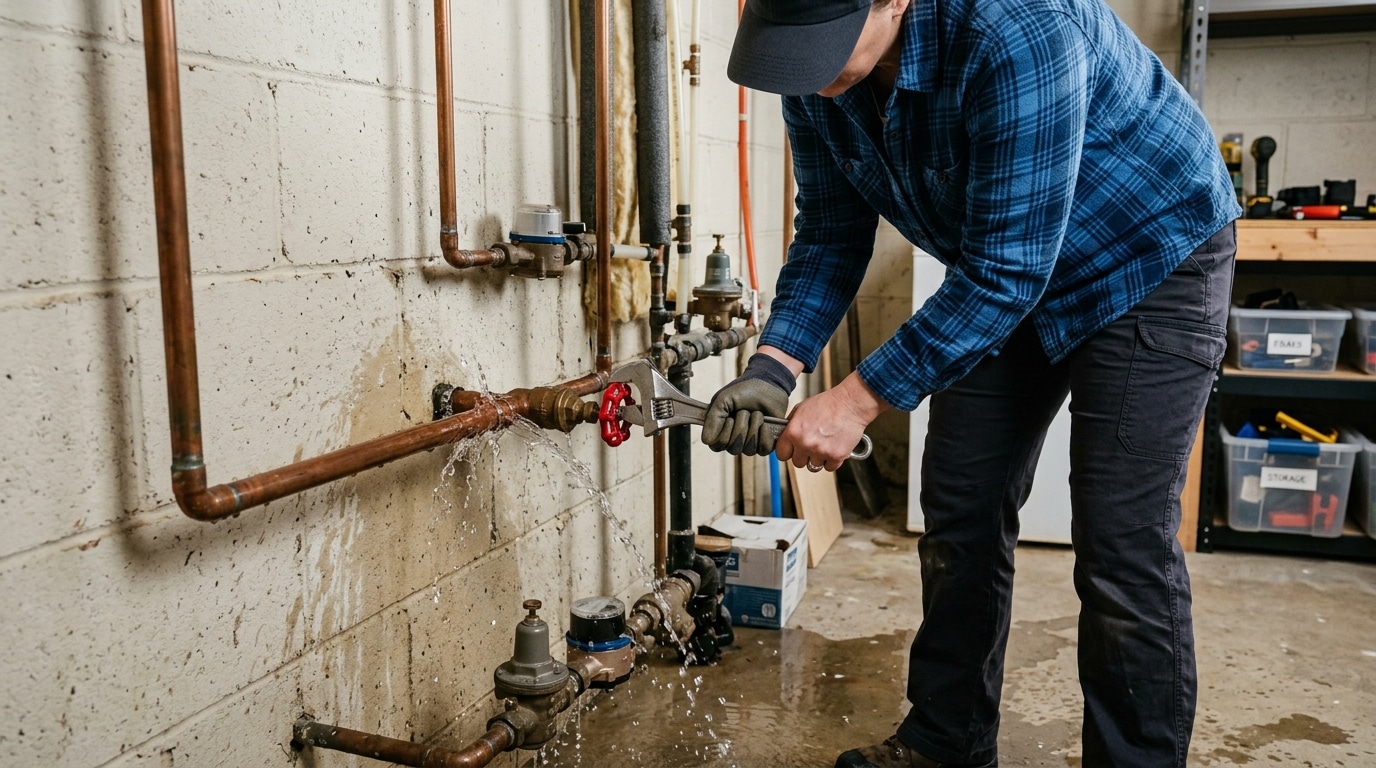
The single most important action in any plumbing emergency in Gaithersburg is stopping the flow of water. For a localized issue — a leaking toilet, a broken faucet, a dripping water heater — turn the shut-off valve at that fixture clockwise until it stops. Toilet valves sit at floor level behind the toilet. Sink valves are inside the cabinet below.

For a burst pipe, a major leak with no obvious source, or any situation where water is spreading fast, head to your home’s main shut-off valve. (WSSC Water recommends every customer know where this valve is located before an emergency.) In most Gaithersburg and Montgomery County homes, the main valve is on the front wall of the basement, near where the water line enters the foundation. In newer construction, it may be in a utility closet on the main floor. Turn it clockwise until tight. Then open the lowest faucet in the house — usually a basement laundry tub or outdoor spigot — to drain remaining pressure from the lines.

Step 2: Cut Power to the Affected Area

Water and electricity together are dangerous. If water is pooling near outlets, appliances, or your water heater, turn off the breaker for that area at your electrical panel before going anywhere near it. Never stand in standing water to reach a switch or outlet. If you’re unsure which breakers control which rooms — and many Gaithersburg homes are mislabeled — flip the main breaker at the top of the panel to cut power to the whole house until the situation is contained.

For an electric water heater, cut the dedicated breaker. For a gas water heater, turn the gas control knob to “Off.” If you smell gas or hear a hissing sound near gas-line plumbing, leave the house immediately and call 911 before you call us.

Step 3: Contain the Water Damage

Once water stops flowing, the next priority is limiting damage to your home and belongings. Grab towels, buckets, and any waterproof bin you have to slow the spread. Move electronics, paper documents, rugs, and furniture out of the affected area. Lift the corners of soaked rugs off the floor so water doesn’t keep wicking into hardwood or laminate underneath.

If water has reached drywall, ceilings, or insulation, document everything with photos and short videos on your phone. (The EPA notes that mold growth can begin within 24 to 48 hours of water damage, so the timeline of your documentation matters.) These records matter for two reasons: your insurance company will need them for a claim, and the plumber arriving from Mallick Plumbing can see the before state, which sometimes reveals clues about how the failure happened.

Step 4: Common Emergencies in Gaithersburg Homes

Some plumbing emergencies are more common than others in the Gaithersburg and Montgomery County area, and knowing what you’re dealing with helps you describe it accurately on the call:

Step 5: What to Tell the Plumber on the Phone

When you call our emergency line, the dispatcher will ask several questions. Having answers ready saves time and helps us send the right plumber to your home as quickly as possible. Be prepared to share:

The clearer the description, the faster the resolution. If you don’t know the answer to a question, say so — guessing wastes time.

Step 6: What to Expect When We Arrive

A Mallick Plumbing technician will walk through the situation with you, diagnose the problem, and explain what needs to happen next before any work begins. We service Gaithersburg, Rockville, Germantown, Bethesda, Silver Spring, and the rest of Montgomery County, as well as Frederick County, with 24/7 emergency availability. If the failure has a related cause we notice — corroded shut-off valves nearby, an aging water heater that’s next in line to fail — we’ll mention it but never pressure you to expand the job during an emergency.

For most common emergencies, repairs can be addressed in a single visit. For larger jobs like full water heater replacement or sewer line repair, we’ll stabilize the situation, give you a longer-term plan, and schedule a return visit at the soonest available slot.

Why Gaithersburg Homeowners Choose Mallick Plumbing for Emergencies

Mallick Plumbing & Heating has been serving Gaithersburg, Rockville, Germantown, Bethesda, Silver Spring, and the rest of Montgomery County for years, and we extend the same service to Frederick County. Our emergency line is staffed around the clock, and our plumbers are licensed in Maryland. We also offer financing and special offers to help homeowners handle unexpected repairs without delay.

If you’ve already taken the steps above before we arrive, expect a faster overall job, less water damage to your home, and a more accurate diagnosis on the first try. For background on what counts as an emergency and how response works, see our Emergency Plumber Gaithersburg FAQ.

Need Emergency Plumbing in Gaithersburg Right Now?

Call Mallick Plumbing & Heating any time, day or night, for fast, licensed emergency plumbing service in Gaithersburg and across Montgomery County. If your situation isn’t immediately critical and you’d rather schedule a same-day or next-day visit, you can also book a service appointment online. We’ll be there.

Emergency Plumbing Services: What to Do When You Have a Plumbing Crisis

Plumbing emergencies can strike at any moment, leaving homeowners in Gaithersburg, Montgomery County and surrounding areas of Maryland feeling overwhelmed and in need of immediate solutions. It’s important to stay calm but move with purpose to properly handle a plumbing emergency. 

Mallick Plumbing & Heating understands the urgency that comes with burst pipes, leaks, or sudden plumbing issues. Knowing the steps of what to do when an emergency strikes can save you stress, but more importantly, we’ll tell you when it’s time to lean on our emergency plumbing services.

Recognizing a Plumbing Emergency

A plumbing emergency requires prompt attention to prevent further damage to your home. Common situations constituting emergencies include burst pipes, major leaks, sewer backups, and issues that can lead to water damage or compromise your home’s safety.

Steps to Take During a Plumbing Crisis

  1. Shut Off the Water: In the event of a burst pipe or major leak, locate your home’s main water shut-off valve and turn it off immediately. By turning off the main water supply, you will help minimize water damage until professional help arrives.
  2. Contact Emergency Plumbing Services: Reach out to a reputable 24-hour plumbing service like Mallick Plumbing & Heating. Having a reliable emergency plumbing service on call ensures quick response times and efficient resolution of your plumbing crisis.
  3. Document the Issue: While waiting for the plumber to arrive, document the issue by taking pictures or making notes. This information can be useful for insurance claims and discussions with plumbing professionals.
  4. Contain the Leak if Possible: If the situation allows, use towels, buckets, or containers to contain the water and prevent it from spreading further. This temporary measure can help minimize damage until professional assistance arrives. Please operate this step with caution and safety in mind.

Our 24-Hour Emergency Plumbing Services

At Mallick Plumbing & Heating, we understand that plumbing emergencies don’t adhere to regular business hours. That’s why we offer 24-hour emergency plumbing services. Our team of skilled and experienced plumbers is ready to respond swiftly to your call, bringing the expertise and equipment needed to address the emergency.

If you find yourself in a plumbing emergency, please contact Mallick Plumbing & Heating immediately at (301) 804-6759!

Common Plumbing Emergencies We Handle:

  1. Burst Pipes: Our team can quickly locate and repair burst pipes, preventing extensive water damage to your property.
  2. Leak Detection: Whether it’s a hidden leak or a major plumbing issue, our advanced leak detection methods allow us to identify and address leaks promptly.
  3. Sewer Backups: A sewer backup is a serious issue that requires immediate attention. Our team can diagnose the plumbing problem and implement effective solutions to restore proper sewer function.

Preventing Plumbing Emergencies

While emergencies are unpredictable, some preventive measures can minimize the risk of sudden plumbing crises. Regular plumbing inspections, timely repairs of minor leaks, and ensuring proper insulation in cold weather are essential steps in maintaining a resilient plumbing system.

When faced with a plumbing crisis, having a trusted 24-hour emergency plumbing service like Mallick Plumbing & Heating at your disposal can make all the difference.

Contact us at (301) 804-6759 for swift and reliable solutions to your plumbing emergencies, ensuring the safety and integrity of your home.

Seasonal Plumbing Tips: Preparing Your Home for Extreme Weather

As the frigid winter weather makes itself at home, it brings along unique challenges for your home’s plumbing system. The freezing temperatures pose a threat to pipes, including the ones associated with your water heater.

Winter plumbing concerns are not only inconvenient but can lead to costly damages if not addressed promptly. Mallick Plumbing & Heating understands the unique needs of homes in the Gaithersburg and Maryland area.

If you have any questions about your home’s plumbing system, please contact us at (301) 804-6759 for immediate assistance!

Here’s a few tips from our Mallick Plumbing & Heating team to prepare your plumbing for any weather conditions:

1. Drain Cleaning for All Seasons

Start each season with a comprehensive drain cleaning. Over time, debris, hair, and grease can accumulate in your drains, leading to slow drainage and potential clogs. Professional drain cleaning ensures your plumbing is free-flowing, reducing the risk of backups and other plumbing issues.

2. Guard Against Frozen Pipes

Cold winters in Gaithersburg and surrounding areas of Maryland make frozen pipes a real concern. To prevent pipes from freezing, insulate exposed pipes in unheated areas, and seal any gaps or cracks in your home’s exterior. When extremely cold weather is forecasted, allow faucets to drip to relieve pressure in the pipes and prevent freezing.

3. Regular Leak Detection

Leaks can occur at any time and often go unnoticed until they cause significant damage. Implement regular leak detection checks by inspecting visible pipes, faucets, and appliances for signs of water accumulation or moisture. Leaks are very common after your pipes have frozen from the frigid weather. The water expansion puts a lot of pressure on your pipes and typically causes them to break. If you notice any leaks, address them promptly to prevent any water damage and mold growth.

4. Monitor Water Pressure

Fluctuations in water pressure can indicate underlying plumbing issues. Install a pressure gauge to monitor water pressure regularly. If you notice any sudden changes, it could signal a problem in the water supply or distribution system that needs professional attention.

5. Ensure Plumbing Fixtures are Working Properly

Check that all plumbing fixtures, including faucets, toilets, and showerheads, are working properly. Replace worn-out components, address slow drains, and repair any fixtures that are leaking or not functioning as they should. This ensures efficient water usage and prevents potential plumbing emergencies.

6. Prepare for Plumbing Emergencies

Despite preventive measures, emergencies can still happen. Know the location of your main water shut-off valve and how to turn it off. This quick action can minimize water damage in the event of a burst pipe or major leak.

Keep the contact information for a reliable plumbing service like Mallick Plumbing & Heating handy for immediate assistance in case of emergencies.

Taking these seasonal plumbing tips to heart will help keep your Gaithersburg or Maryland home’s plumbing in top condition, no matter what weather challenges come your way.

For professional assistance with drain cleaning, frozen pipes, leak detection, or any plumbing issues, contact Mallick Plumbing and Heating at (301) 804-6759 for immediate assistance!

Protecting Your Plumbing from Cold Weather

As the chilly winter months approach Gaithersburg and other parts of Maryland, it’s crucial to prepare your home for the drop in temperatures. One area that often gets overlooked is your plumbing system.

Cold weather can wreak havoc on pipes, causing them to freeze and potentially burst, leading to costly repairs. Mallick Plumbing & Heating in Gaithersburg, Maryland, understands the importance of safeguarding your plumbing during winter.

If you have any questions or suspect any frozen pipes or leaks, please contact us at (301) 804-6759 for immediate assistance! 

Here’s a few tips you can take to protect the health of your plumbing system during the frigid winter conditions.

Insulate Your Pipes

One of the most effective ways to prevent pipes from freezing is to insulate them. Insulation helps retain the heat within the pipes, reducing the risk of freezing. Pipe in unheated areas – such as basements, crawl spaces and attics – are most likely to freeze. Keep an eye on these areas most frequently during the Winter months. Mallick Plumbing & Heating can assess your home’s specific needs and provide expert insulation solutions tailored to your plumbing system.


Seal Leaks and Cracks

Cold air can enter your home through small openings, leading to a drop in temperature and increasing the likelihood of frozen pipes. Inspect your home for any leaks or cracks in walls, windows, and doors. Seal these gaps with caulk or weatherstripping to keep the cold air out and the warmth in. By maintaining a well-sealed home, you not only protect your plumbing but also enhance your overall energy efficiency.

Disconnect and Drain Outdoor Faucets

Outdoor faucets are particularly susceptible to freezing temperatures. Before winter sets in, disconnect and drain all hoses and outdoor faucets. Leaving water in these fixtures can result in frozen pipes and, subsequently, burst pipes. Mallick Plumbing & Heating can assist in properly winterizing your outdoor plumbing to prevent any cold weather-related damage.


Maintain a Consistent Temperature

Keeping your home at a consistent temperature, even when you’re away, can prevent pipes from freezing. While it may be tempting to lower the thermostat to save on energy costs, the potential damage from frozen pipes far outweighs the short-term savings.

Let Faucets Drip

Allowing faucets to drip slightly can relieve pressure within the plumbing system, reducing the risk of frozen pipes. Water is less likely to freeze if it is constantly moving. A good time to drip your faucets is overnight. Temperatures can drop even more during this period and dripping your faucets will help prevent any frozen pipes. While it may lead to a minor increase in water usage, the prevention of a major plumbing issue is well worth it.


Schedule a Winter Plumbing Checkup

Engage the services of Mallick Plumbing & Heating for a comprehensive winter plumbing checkup. Our experienced technicians can identify potential issues, inspect your plumbing system, and provide necessary repairs or improvements to ensure it is winter-ready.


Emergency Preparedness

Despite taking preventive measures, emergencies can still occur. Familiarize yourself with the location of your main water shut-off valve. In the event of a burst pipe or other plumbing emergencies, a quick shut-off can minimize damage and prevent further issues.


By taking these proactive steps to protect your plumbing, you can enjoy a worry-free winter season. Mallick Plumbing & Heating is dedicated to ensuring the well-being of your plumbing system in Gaithersburg and surrounding Maryland communities.

Contact Mallick Plumbing & Heating Today at (301) 804-6759 for help with Winterizing your home. 

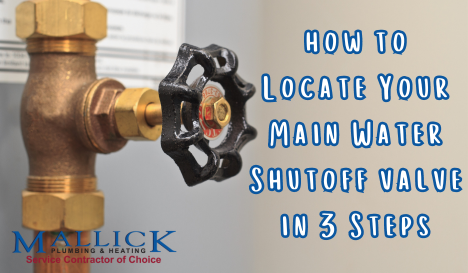
How to Locate Your Main Water Shutoff Valve in 3 Easy Steps

Water is an essential resource in our homes, but when a plumbing emergency strikes, knowing how to quickly shut off the main water supply can be crucial. Whether you’re dealing with a burst pipe, a leak, or any other plumbing issue, locating your main water shutoff valve is the first step to minimizing damage and preventing further problems.

Whether your home is in Gaithersburg or any other surrounding Maryland area, this guide will walk you through three easy steps to find your main water shutoff valve.

Step 1: Identify Possible Locations

The main water shutoff valve is typically located near where the water line enters your Gaithersburg or Maryland home. Start by considering common areas where plumbing fixtures are present. Here are some common locations to check:

  1. Basement or Crawlspace: In many homes, especially those in colder climates, the main water shutoff valve is situated in the basement or crawlspace near the front foundation wall. Look for a valve along the water line coming in from the street. A good rule of thumb:
  • If you’re on municipal water, your main water shutoff valve if located at the front of your house.
  • If you’re on well water, it is typically located at the back of the house.
  1. Garage: If your home has a garage, the main water shutoff valve might be located there, especially if the garage is close to the main entry point of the water supply.
  2. Utility Room: Check your utility or laundry room. The main shutoff valve is often placed near the water heater or utility sink. Look for a valve along the water line.
  3. Exterior Walls: Sometimes, the valve may be located on an exterior wall, typically near the front of the house. It may be inside a utility box or an insulated cover.

Step 2: Inspect Visible Pipes and Valves

Once you have identified potential locations, visually inspect the area for pipes and valve. You will potentially have either a ball valve with a skinny handle or a wheel-like handle that controls the flow of water into your home.

If you have a ball valve, it will be in the “On” position. Turn it to the “Off” position to stop water flow into the home. Depending on your plumbing system, the valve may be brass, copper or another material and may vary in size.

If you have a wheel-like handle, turn it clockwise to shut off the water.

Step 3: Ask for Assistance or Consult Home Plans

If you’re unable to locate the main water shutoff valve on your own, consider asking for assistance. Reach out to our Mallick Plumbing & Heating team or consult with a knowledgeable friend or neighbor. Additionally, if you have access to your home’s building plans, they may indicate the location of the main water shutoff valve.

Remember that locating the main water shutoff valve is a valuable skill for homeowners. Taking the time to familiarize yourself with its location can save you from potential water damage and provide peace of mind in case of a plumbing emergency.

By following these three easy steps, you can confidently locate and operate your main water shutoff valve, empowering you to take control of unexpected plumbing situations and protect your home from water-related damage.

How to Tell if Your Pipes are Frozen

Winter in Gaithersburg and surrounding Maryland communities can be beautiful, but it can also bring the risk of frozen pipes. While it’s a situation we all hope to steer clear of, the truth is that frozen pipes are an unwelcome recurring winter issue that can cause chaos in your residence and potentially drain your finances if not promptly addressed.

Recognizing the signs of this problem in its early stages is not only vital for your peace of mind but can also spare you from the hassles of burst pipes, significant water damage, and costly repairs. Here are 5 signs to look out for if you suspect you have frozen pipes. 

1. No Water Flow

If you turn on a faucet and no water comes out, it’s a sign indicating that your pipes might be frozen. The blockage in the pipes prevents water from flowing, leaving you no water supply. That is not always the case but a strong possibility during the winter months. 

2. Frost on Visible Pipes

If you can access your pipes in unheated areas of your home, visually inspect them. If you notice frost or ice on the exterior of the pipes, it’s a strong indication that the water inside has frozen as well. Act promptly to thaw the pipes before they burst. You can carefully thaw the pipes with a space heater or hair dryer by slowly warming up the frozen area of the pipe. 

3. Strange Odors

Frozen pipes can sometimes cause strange odors in your plumbing system. This occurs when the frozen water traps odors from your sewage, leading to foul smells. If you notice any unusual odors in your water or around your plumbing fixtures, frozen pipes could be the culprit.

4. Unusual Sounds

Frozen pipes can also create unusual sounds in your plumbing system. If you hear clanging, banging, or knocking noises when you turn on the faucet, it could be due to water flow being obstructed by frozen sections.

5. Reduced Water Pressure

Even before your pipes freeze completely, you might notice reduced water pressure in your faucets. This is a warning sign that should prompt you to investigate the possibility of frozen pipes.

When to Call a Plumber

If you suspect that your pipes are frozen, it’s crucial to act quickly to avoid burst pipes and costly damage. While there are some DIY thawing methods you can attempt, it’s often safer and more effective to call a plumber. Mallick Plumbing & Heating has the experience and tools to safely thaw the pipes and assess any potential damage.

In Gaithersburg, Maryland, where cold weather is a part of life during the winter, knowing how to identify frozen pipes can save you from a plumbing catastrophe. If you suspect frozen pipes or are dealing with burst pipes, don’t hesitate to reach out to Mallick Plumbing & Heating for immediate assistance. We’re here to help keep your plumbing system in good working order, even in the coldest of winters.

You Can Contact Mallick Plumbing & Heating Today at (301) 804-6759 if you suspect your Pipes are Frozen! 

What Should I Do in a Plumbing Emergency?

What Should I Do in a Plumbing Emergency?

Plumbing emergencies are more commonplace than most homeowners realize, and if you own a home long enough, you’ll likely face your plumbing emergency. Learning to avoid a plumbing emergency can save time and money and help ensure repairs go smoothly. Knowing when to seek assistance can help, and with residential plumbing, it’s important to treat problems fast – to protect your home from damage. Many small improvements can be made by even a novice DIYer, but it’s important to recognize the difference between a minor problem and a major one. Whether it’s a leaky faucet, an overflowing toilet, or a burst pipe, knowing how to respond in an emergency can help save your home from ruin. Being prepared to fight these issues can help a homeowner remain in control in the face of any plumbing emergency.

Four Plumbing Emergency Tips to Protect Your Home

Plumbing problems are panic-inducing because they can create rippling damage. A leaking pipe or flooding toilet can damage your ceilings or walls and even require mold remediation. A single plumbing issue, if left uncorrected, can lead to costly damages. The best thing a homeowner can do is have a plumbing service provider standing by, ready when their time of need arises.

If you suspect a plumbing emergency, there are steps you can take to minimize the threat of compounded damages:

  • Turn off the Water Supply: If your plumbing emergency involves water gushing into your home, turning off your water supply can stop the flow of water into your home. If the water is coming from multiple fixtures or a larger appliance, you may need to turn off the water at the main valve.
  • Inspect and Disable Your Water Heater: If you have a traditional water heater, then you know it can be a frequent source of problems. Your water heater is a storage tank filled with water waiting to be routed around your home unless there’s a leak. Disabling a leaking water heater can stop the water flow immediately until repairs can be made.
  • Inspect Drains and Faucets: When you turn off your fixtures, water lingers behind in your pipes and drains. Spigots outside your home will need to be drained if you have a plumbing emergency, like a burst frozen pipe. In addition to outdoor fixtures, you also want to disconnect your garden hose, so it doesn’t cause secondary damage to your plumbing system.
  • Call an Emergency Plumbing Specialist: Owning and caring for a home is a steep learning curve for most homeowners. While there are many things you can tackle alone, there are others that require the assistance of a plumbing professional. Calling in a professional in an emergency means less threat to your home and property.

At Mallick Plumbing & Heating, Inc., our plumbing professionals have been providing the community with reliable plumbing emergency support for more than 25 years. An untreated plumbing problem can mean unsafe living conditions and serious property damage. Our expert plumbers know how to tackle a plumbing emergency, so you don’t have to worry about it. Reach out to our scheduling team today by calling (301) 804-6759. You can also contact our plumbers online by using our convenient contact form.

Planning a Party? Protect Your Plumbing!

Having people over to your home can be fun, but parties can wreak havoc on your plumbing. Luckily, there are some simple steps you can take to protect your plumbing:

Keep a Trash Can in Your Bathroom

Guests will need a place to dispose of feminine products and baby wipes. Place a trash can right next to the toilet, so guests know to throw these items away instead of flushing them down the toilet and creating a clog.

Handle Small Clogs with a Plunger

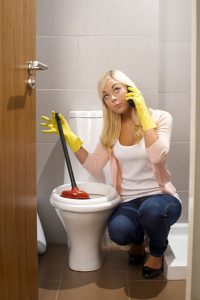
Speaking of clogs, they happen! (Especially with alcohol and tasty appetizers). Keep a plunger nearby, so guests can resolve small clogs by themselves. You can also let your guests know to notify you if the bathroom needs attention.

Share ALL Your Bathrooms

Don’t let your guest bathroom work overtime if you have others to spare. Believe us, your personal bathroom is much less unsightly than a toilet that suffers a large clog due to constant use.

Plus, multiple guests will be able to relieve themselves at the same time if necessary.

Don’t Rely on the Garbage Disposal

Always scrape leftover food into the trash before putting dishes in the sink or loading them into the dishwasher. Putting fats, oils, grease, and other food items down the garbage disposal can cause a clog.

Avoid a Hairy Situation

Equip all the drains in your house with hair catchers. This can help prevent hair from building up in your drains and keep unwanted items out of your pipes. Hair catchers only cost a couple of dollars each and they can save you tons of money in repairs.

Call an Emergency Plumber If Needed

Mallick Plumbing & Heating, Inc. can solve your emergency plumbing situations 24 hours a day, 7 days a week.

If your party needs a hero, our expert plumbers are always available at (301) 804-6759 and online.