Backflow Preventer Assembly Discharging Water in Gaithersburg, MD

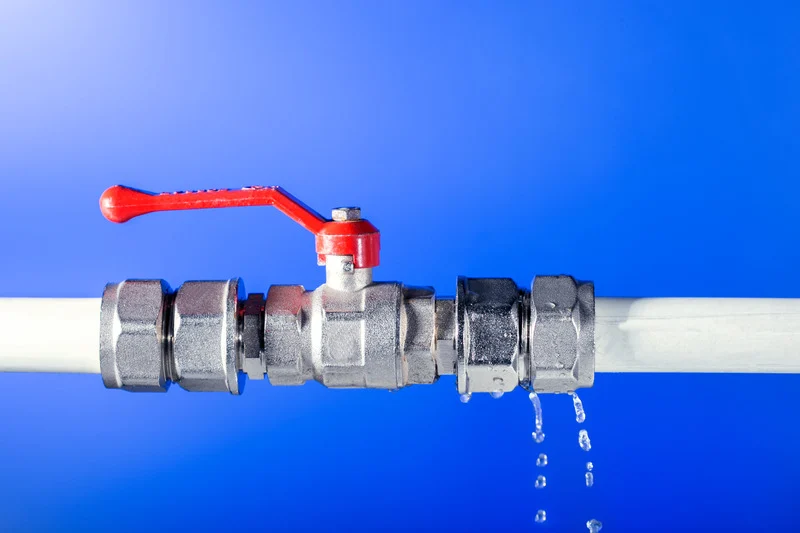
You walk past the irrigation manifold or the utility room and find water pouring out of a small port on a brass valve. Nothing is broken and nothing is leaking at a joint. That discharge is a backflow preventer assembly doing precisely what it was built to do, and it is telling you something about your water system.

A backflow preventer assembly is the barrier between the water you drink and everything that could contaminate it. Before you plug that port or call it a nuisance leak, it helps to understand which direction the water was trying to travel.

What Backflow Actually Is

Your plumbing assumes water moves one way: from the main, through the meter, out at the fixtures. Two situations reverse that flow, and both happen more often than homeowners expect.

Back-siphonage occurs when pressure in the street main drops suddenly. A water main break, a hydrant opened for a fire, or heavy demand nearby can pull a partial vacuum on the system. Any open connection in your house then becomes a straw, and the main drinks from it.

Backpressure is the opposite. A downstream system running at higher pressure than the supply, such as a boiler or a pressurized irrigation loop, pushes its water backward into the potable line.

The danger point in both cases is a cross-connection, meaning any place potable water can touch something that is not. A garden hose in a bucket of soapy water and a sprinkler head sitting in fertilizer runoff are textbook examples, which is why the EPA drinking water program treats cross-connection control as core protection for the public supply.

How a Backflow Preventer Assembly Blocks Reverse Flow

Most residential devices use spring-loaded check valves. Forward pressure pushes each check open; reverse flow slams it shut against its seat. A double check valve assembly puts two of these in series so one can back up the other.

A reduced pressure zone assembly, often called an RPZ, adds a third component. Between the two checks is a chamber held at lower pressure than the incoming supply, and a relief valve watches that difference. If the first check leaks, or supply pressure falls toward the chamber pressure, the relief valve opens and dumps water to the floor or the drain.

That is the design intent. A backflow preventer assembly is built to waste water in a visible way rather than let contaminated water travel back toward your kitchen tap.

Why the Relief Port Discharges

A dumping RPZ is not random. In our experience, four causes account for nearly all of them.

Debris on a Check Seat

Sand, pipe scale, solder beads, and rust flakes ride in with the water and lodge on a rubber seat. The check cannot close completely, the pressure zone between checks rises, and the relief valve opens.

This is the most common cause, and it is why a backflow preventer assembly is often repairable with a cleaning and a rubber kit rather than a full replacement.

Worn or Hardened Rubber

Check discs and diaphragms are elastomer parts living in chlorinated water. Over years they harden, take a set, or crack, and a stiff disc no longer seals against its seat.

Fluctuating or Falling Supply Pressure

Street pressure that swings, a partly closed valve, or a failing pressure reducing valve can drop supply pressure toward the middle chamber. The relief valve interprets that as a fault and discharges, sometimes only at certain hours.

Freeze Damage

Outdoor irrigation devices in Gaithersburg suffer every winter that arrives before the system is blown out. Water trapped inside expands as it freezes, cracking the body or distorting internal parts, and the device discharges as soon as it is pressurized in spring.

Signs That Need Attention

  • Water discharging from the relief port, either steadily or in bursts.
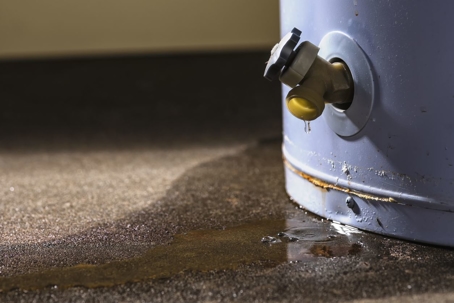
  • Puddles or staining under an irrigation manifold or basement assembly.
  • A hissing or chattering sound from the valve body while water runs.
  • Lower pressure in the house after the device was installed or serviced.
  • A cracked body, weeping test cocks, or visible mineral crust on the brass.
  • An annual test that came back failed from your water authority.

What This Looks Like in a Gaithersburg Home

Picture a Gaithersburg homeowner who finds a puddle spreading across the basement floor from the irrigation line. The water appears each morning when the sprinkler zones run and stops the rest of the day.

In a case like this, a technician would isolate the device and open it. A likely finding is grit packed against the first check seat, often stirred up by recent work on the street. The rubber may also be hard enough to deserve replacing. The fix is typically a repair kit and a thorough cleaning, followed by a test of the device.

Which Device Does Your Home Have?

Different hazards call for different protection, and these are the three we see most:

  • Hose bib vacuum breaker. A small device on an outdoor spigot that stops back-siphonage through a garden hose.
  • Double check valve assembly. Two checks in series, used where the hazard is a nuisance rather than a health risk.
  • Reduced pressure zone assembly. Two checks plus a relief valve, used where the hazard could make someone sick, including irrigation systems with injected chemicals.

Your water authority decides which device your address needs and how often it must be tested. Our backflow prevention page explains how we inspect and service these assemblies.

How Testing Works

  1. The assembly is isolated with its inlet and outlet shutoffs.
  2. A calibrated differential gauge is connected to the test cocks.
  3. Each check is measured for the pressure it holds against reverse flow.
  4. The relief valve is checked for the point at which it opens.
  5. Results go on a report for the water authority that requires the test.

If your device is discharging or your test notice has arrived, call and schedule a backflow inspection before the deadline passes.

Safety Notes and When to Call a Plumber

Never plug, cap, or remove a backflow device to stop the discharge. Doing so removes the barrier protecting your drinking water and the public main, and it violates the rules almost every water authority enforces. Never leave a hose submerged in a pool, a bucket, or a livestock trough.

Call a plumber when the relief port runs, when the body is cracked, when the annual test fails, or when pressure drops after any work on the assembly. Winterizing irrigation lines before the first hard freeze prevents most of the spring failures we see, and the EPA WaterSense program has practical irrigation guidance worth reading.

Frequently Asked Questions

Is the discharging water safe to be around?

The water leaving the relief port is supply water, not sewage. The discharge is a warning that the assembly needs service, and the volume can flood a basement, so treat it as urgent.

Can a backflow preventer assembly be repaired instead of replaced?

Often yes. Debris and worn rubber are repairable with a manufacturer kit. A cracked body or a corroded seat means replacement.

Does every house in Maryland need one?

Not every fixture, but irrigation systems, boilers, and similar connections routinely require protection. Requirements come from your local water authority, and model codes published by groups such as IAPMO shape them.

Why did my device fail its test when nothing looks wrong?

Checks fail by tiny margins that only a gauge can detect. A seat holding slightly less pressure than the standard requires will fail even though nothing visible is leaking, which our water line services team sees regularly.

Your Next Step in Gaithersburg

A discharging relief valve is a warning you can see, and it rarely fixes itself. Call Mallick Plumbing & Heating to schedule a backflow preventer assembly inspection in Gaithersburg, and we will test the device, clean or rebuild what is failing, and document the result for your water authority. Our plumbing services page covers the rest of the system it protects.
Leaking Backflow Preventer in Potomac, MD: Why the Relief Valve Dumps Water in Summer

A brass assembly near your irrigation manifold starts pouring water onto the grass in the middle of a July afternoon, and it does not stop. That is a leaking backflow preventer, and in Potomac, MD it is one of the most common midsummer service calls we take. Here is the part that surprises people: on most assemblies, that discharge is the device doing its job. The relief valve opened on purpose to protect your drinking water. What it is telling you is that something upstream has changed. This guide explains how the assembly works, what makes it dump, and why a leaking backflow preventer should never be plugged or capped.

What a Backflow Preventer Is Protecting

Your irrigation system, boiler feed or hose bib connects the potable water in your house to water that has touched soil, fertilizer or chemicals. If pressure in the street main ever drops below the pressure in your piping, that contaminated water can be pulled backward into the supply. A backflow preventer exists to make that physically impossible.

Two designs cover most properties. A double check valve assembly uses two independent spring-loaded check valves in series. A reduced pressure zone assembly, often called an RPZ, adds a differential relief valve between those two checks, and that relief valve is what you see discharging.

Why a Leaking Backflow Preventer Discharges Water

Inside an RPZ, the space between the two check valves is deliberately held at a lower pressure than the incoming supply. A diaphragm senses that difference. As long as the gap stays wide enough, the relief valve stays shut.

When the first check valve stops sealing, pressure in that middle zone climbs toward supply pressure and the differential collapses. The diaphragm reacts by opening the relief valve and dumping the zone to atmosphere, which ensures nothing in that zone can travel back toward the house. A leaking backflow preventer is therefore usually a symptom of a fouled or worn check valve, not a failure of the relief valve itself.

Five Reasons This Happens in July

A Potomac Scenario

Picture a homeowner in Potomac who turns on the irrigation zones during the first hot week of summer. A couple of days later there is a soggy patch around the backflow assembly and a steady stream running out of the bottom of the brass body. Inside the house, the water meter is turning even with every fixture off.

In a case like this, nothing has usually failed catastrophically. The likely cause is startup debris parked on the first check seat, so the middle zone loses its differential and the relief valve does exactly what it was designed to do. The typical repair is a rebuild kit and a thorough flush, not a new assembly.

Why Continuous Discharge Is a Safety Problem

A leaking backflow preventer that runs continuously moves a large volume of water through your meter. Because it discharges to the ground rather than to a drain, nobody notices until the lawn turns to mud.

More to the point, your backflow protection is sitting in its failed position the entire time. That is a safety condition, not a nuisance. The EPA’s drinking water resources explain why cross-connection control matters for a whole neighborhood, not just one property.

The One Thing You Must Never Do

Do not cap, plug or hose-clamp a discharging relief valve. It is the single most dangerous response to a leaking backflow preventer. Blocking the relief port defeats the protection, leaves the middle zone pressurized against a failed check, and turns a visible leak into a hidden cross-connection.

Do not tighten random bolts on the assembly either. The cover is holding a spring-loaded diaphragm, and releasing it without relieving system pressure first can injure you. Shut the downstream isolation valve, then the upstream one, and leave the internals to a plumber.

What a Leaking Backflow Preventer Repair Involves

  1. Isolate the assembly at both shutoff valves and relieve the pressure through the test cocks.
  2. Open the check valve chambers and inspect the discs, springs and seats for debris, scoring or hardened rubber.
  3. Flush the supply line ahead of the device so the same debris does not lodge again within a week.
  4. Install the manufacturer’s rebuild kit for that model and size rather than mixing generic parts.
  5. Check for a closed system upstream. A pressure reducing valve or a meter check that blocks expansion is a frequent hidden cause.
  6. Retest the assembly and confirm the differential holds before the system goes back into service.

Ask your water provider what testing documentation they require for your property and how often. Those requirements come from cross-connection control rules that follow model plumbing codes developed by groups such as IAPMO.

When to Call a Plumber

Call Mallick Plumbing & Heating as soon as the discharge is continuous rather than a brief spurt during a pressure change. Call sooner if the assembly is dripping in freezing weather, if you see corrosion or green staining on the brass, or if pressure in the house has changed along with the leak.

Our backflow prevention service covers testing, repair and replacement. If the root cause turns out to be expansion or a pressure problem, our pressure reducing valve work addresses it at the source, and damaged supply piping falls under our water line service. For irrigation practices that reduce strain on the system, the EPA’s WaterSense program and University of Maryland Extension both publish useful regional guidance.

Frequently Asked Questions

Is a leaking backflow preventer an emergency?

Treat it as urgent. Your backflow protection is compromised while it discharges, and the water loss continues every minute until the assembly is isolated or repaired.

Can I shut the water off to stop it?

Yes, closing the isolation valves on either side of the assembly stops the discharge and takes that branch out of service. Leave the rest of the house on and schedule a repair.

Why does mine only leak when the sprinklers run?

That points to a check valve that seals at static pressure but not under flow. Moving water lifts the disc off a seat that debris or wear has already compromised.

Does a backflow preventer need testing every year?

Many water providers require periodic testing on irrigation and commercial assemblies, and the interval is set locally. Contact your provider for the rule that applies to your address.

Your Next Step

A leaking backflow preventer rarely resolves on its own. If brass is dripping in your yard right now, close both isolation valves to stop the water and leave the assembly alone. Then call Mallick Plumbing & Heating to schedule backflow prevention service at your Potomac property. Tell us the make and model stamped on the body if you can read it, and we will bring the correct rebuild kit.

Pipe Condensation in Bethesda, MD: Why Cold Water Lines Sweat All Summer

Every July we take calls from homeowners who found water dripping off a basement pipe and assumed the worst. Most of the time it is not a leak at all. It is pipe condensation, and in Bethesda, MD it starts the week our dew points climb into the muggy range and stays until September. The water on that pipe came out of the air in your basement, not out of your plumbing. That distinction matters, because the repair is completely different. This guide explains the physics behind pipe condensation, how our plumbers separate it from a genuine leak, and what actually stops the dripping.

What Causes Pipe Condensation

Air holds water vapor, and the amount it can hold drops as the air cools. The temperature where air can hold no more is the dew point. Cool any surface below that temperature and vapor touching it turns back into liquid water.

Your cold water line is that surface. Water arriving from the municipal main sits far below summer room temperature, and copper moves heat quickly, so the outside of the pipe stays almost as cold as the water inside it. Humid basement air drifts across that cold metal, gives up its moisture, and leaves beads behind. The beads merge, run to the low point of the pipe, and drip. That is pipe condensation in one paragraph.

Why It Is Worse in a Bethesda Summer

Maryland summers combine warm air with heavy humidity, which is exactly the recipe for sweating pipes. Basements make it worse. A basement is cooler than the rest of the house, but it is also where damp outdoor air sneaks in through window wells, rim joists and unsealed penetrations.

Older Bethesda homes add one more factor. Finished basements installed decades ago rarely included a vapor barrier or foam sleeves on the supply lines, so bare copper runs through a humid cavity all season. The EPA’s indoor air quality guidance covers why that combination of moisture and enclosed space invites mold.

Pipe Condensation or an Actual Leak?

This is the question worth answering before anyone opens a ceiling. The two look similar from the floor and behave nothing alike.

That last test is the strongest one. Shut every fixture, then watch the low-flow indicator on the meter. If it creeps, you have a leak somewhere and pipe condensation is not your problem.

A Bethesda Ceiling Stain Scenario

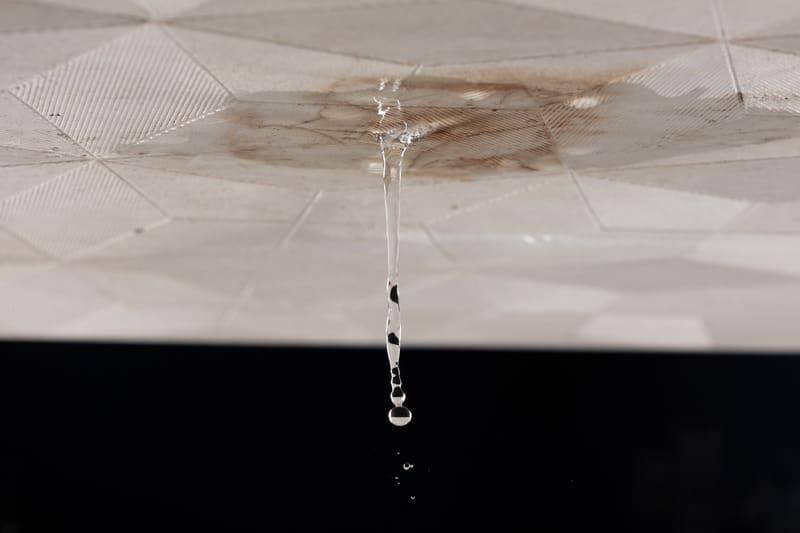
Picture a homeowner in Bethesda who finishes a movie in the basement and notices a dark ring on the drywall ceiling below the upstairs bathroom. No fixture is running, and no toilet is leaking. In a case like this, a likely finding behind an inspection hole is a bare copper cold line crossing the joist bay and dripping steadily onto the back of the drywall. The bathroom above may be perfectly fine. A stain like that often reflects months of pipe condensation collecting at one low spot in the pipe run, and the typical fix is foam insulation plus a dehumidifier, not a repipe.

What the Dripping Damages

Condensate is clean water, which makes it feel harmless. It is not. Steady drips keep framing lumber damp enough for rot organisms to work, soak fiberglass batts until they lose their insulating value, and stain finished ceilings. Subfloor under a sweating toilet tank can slowly go soft and spongy. Damp wood also draws insects.

How to Stop Pipe Condensation

You cannot make the pipe warmer without wasting water, so the work goes into separating humid air from the cold surface and drying the air itself.

  1. Sleeve every cold line with closed-cell foam insulation, and seal the seam and every butt joint with the adhesive strip or tape. Fiberglass does not work here because it absorbs the moisture instead of blocking it.
  2. Insulate fittings, valves and the short stubs behind them. Bare elbows sweat just as hard as straight runs and are usually what people miss.
  3. Run a dehumidifier in the basement and drain it to a sump basin or a condensate pump rather than emptying a bucket.
  4. Seal rim joists, window wells and duct penetrations so humid outdoor air stops pouring into the cool space.
  5. On a chronically sweating toilet tank, ask about an anti-sweat valve, which blends a small amount of hot water into the tank supply to raise the surface temperature.

Pipe condensation also gets worse when cold water moves constantly. A toilet fill valve that never fully shuts keeps fresh cold water flowing through the branch line all day. Fixing the flapper often cuts the sweating dramatically, and the EPA’s WaterSense program explains how much water a silent running toilet moves.

Safety and When to Call a Plumber

Do not cut into a finished ceiling to chase a drip before you have checked the meter. Do not run an extension cord to a dehumidifier standing in water. If a ceiling is already sagging or the drywall is soft, stop and get eyes on it, because saturated gypsum falls without warning.

Call Mallick Plumbing & Heating when the water stays after you have insulated the lines, when the wet spot sits on a hot line, or when the meter keeps turning with everything off. Our leak detection service helps pinpoint the source before anyone starts opening walls, and our piping team can insulate, reroute or replace runs that were never protected. For a sweating tank or a running fill valve, start with bathroom plumbing repair.

For broader guidance on household moisture, University of Maryland Extension publishes resources written for this climate, and ENERGY STAR’s Save at Home covers sealing and insulating the spaces where humid air gets in.

Frequently Asked Questions

Can pipe condensation cause mold?

Yes. Condensate keeps wood, paper facing and drywall damp for weeks at a time, which is all mold needs. Drying the air and insulating the pipe removes the moisture it feeds on.

Do I need to insulate hot water lines too?

Insulating hot lines saves energy and shortens the wait for hot water, but it does nothing for sweating. Hot pipes sit above the dew point, so they never condense.

Why did my pipes never sweat before this year?

Something changed the balance. A dehumidifier that quietly stopped working, a finished basement that trapped air, a failed sump pump raising humidity, or simply a wetter than usual July.

Will a dehumidifier alone fix it?

Sometimes, if the basement is sealed and the unit is sized for the space. In most Bethesda basements we recommend insulation first, because it works whether or not the machine is running.

Your Next Step

If you have a mystery wet spot, check the meter, note whether the pipe is hot or cold, and watch whether the dripping tracks the weather. Then call Mallick Plumbing & Heating to schedule a visit at your Bethesda home. We will confirm whether you are dealing with pipe condensation or a leak, and handle the insulation or the repair while we are on site.

Hidden Water Leaks in Gaithersburg Homes: How to Find Them

Most expensive plumbing failures don’t start with a flood. They start with a leak too small to see, running for weeks or months behind drywall, under a slab, or inside a wall cavity. By the time the damage shows up, the impact is exponentially higher than catching the leak early. If you’re researching leak detection in Gaithersburg, MD because your water bill jumped, you’ve spotted a stain on the ceiling, or you suspect something’s off but can’t find it, this guide walks through the signs of a hidden leak, the DIY tests you can run yourself, and what professional electronic leak detection looks like.

Why Hidden Leaks Are So Common in Maryland Homes

The mix of housing eras and water conditions across Gaithersburg, Montgomery County, and Frederick County produces a specific set of leak risks:

The EPA estimates household leaks account for nearly 1 trillion gallons of wasted water nationwide every year, and many of those leaks go undetected for months because they’re hidden inside walls or under floors.

8 Warning Signs of a Hidden Leak

Watch for these in your Gaithersburg home:

DIY Tests You Can Run Yourself

Before calling for professional leak detection, run these tests — they isolate the source for free:

If the meter test shows movement but you can’t find the source, that’s the right moment to call in professional electronic leak detection.

When to Call a Pro for Electronic Leak Detection

Modern leak detection uses several non-invasive technologies that find leaks without tearing up walls or floors:

The combination identifies the leak point precisely so a single small access cut can reach the affected pipe — instead of opening up an entire wall to investigate.

The Detection Process at Mallick

A Mallick Plumbing & Heating leak detection visit typically follows this sequence:

Common Repair Scenarios

After detection, the repairs we see most often in Gaithersburg homes:

Why Gaithersburg Homeowners Choose Mallick for Leak Detection

Mallick Plumbing & Heating handles electronic leak detection and repair across Gaithersburg, Rockville, Germantown, Bethesda, and the rest of Montgomery County, as well as Frederick County. Our technicians use professional acoustic, thermal, and moisture detection equipment and are trained to find leaks without unnecessary demolition. Every detection visit produces a written report with photos and an itemized repair quote. For an active major leak, our 24/7 emergency line dispatches immediately.

For more on the leak detection and broader plumbing services we offer for Maryland homes, visit our leak detection services page. For homeowners on an annual maintenance rhythm, see our piece on annual plumbing inspections in Gaithersburg.

Schedule Electronic Leak Detection in Gaithersburg

The longer a hidden leak runs, the more it impacts to fix. If your water bill is up, you’ve spotted a stain, or you just have the sense something is off, schedule a professional leak survey. Schedule electronic leak detection with Mallick Plumbing & Heating today.

Signs You Have a Leak in Your Home

Water leaks in your home can be subtle yet disastrous if left undetected. Homeowners in Gaithersburg & surrounding areas of Maryland face unique challenges due to the area’s varied weather conditions, which can exacerbate plumbing issues.

It’s important to recognize the early signs of a water leak to allow for prompt intervention and repair from experts like Mallick Plumbing & Heating. 

Here’s a guide to identifying potential water leaks within your home using effective leak detection strategies.

Signs of a Water Leak in Your Home

Identifying a water leak early can save you from costly repairs and significant water damage. Watch for these common indicators that suggest you may have a water leak:

1. Unusually High Water Bills: If you notice a sudden increase in your water bill without a corresponding increase in usage, it could be a sign of a hidden leak. Compare your current water usage with the past months; a consistent rise indicates it’s time to investigate.

2. Musty Odors: Persistent musty smells, especially in areas like basements, bathrooms, or kitchens, can be a telltale sign of excess moisture from a leak. These odors often originate from areas that are hard to see, such as behind walls or under floors.

3. Mold and Mildew Growth: Excessive moisture is a breeding ground for mold and mildew. It could be due to a hidden leak if you start noticing mold growth in unusual places, particularly away from common water sources like sinks or bathtubs.

4. Stains or Discoloration: Water stains on your ceilings, walls, or floors are a clear indicator of a plumbing issue. These stains often appear as discolored spots that may grow larger when the leak persists.

5. Warped or Buckling Floors: Water leaks under floors can lead to warping, buckling, or a spongy feeling underfoot. These structural changes can occur over time and signify a significant water leak that needs immediate attention.

6. Continuous Sound of Running Water: Hearing the sound of running water when no tap is open or an appliance is running can indicate a leak in your plumbing system. This sound may be subtle and require a quiet environment to be noticeable.

Effective Leak Detection Techniques

At Mallick Plumbing & Heating, we utilize advanced leak detection technologies to accurately locate and address water leaks in your Gaithersburg home.

Our methods include:

1. Acoustic Leak Detection: This technique uses sound technology to detect the noise created by water escaping from pipes. It’s highly effective for identifying leaks that are not visible to the naked eye.

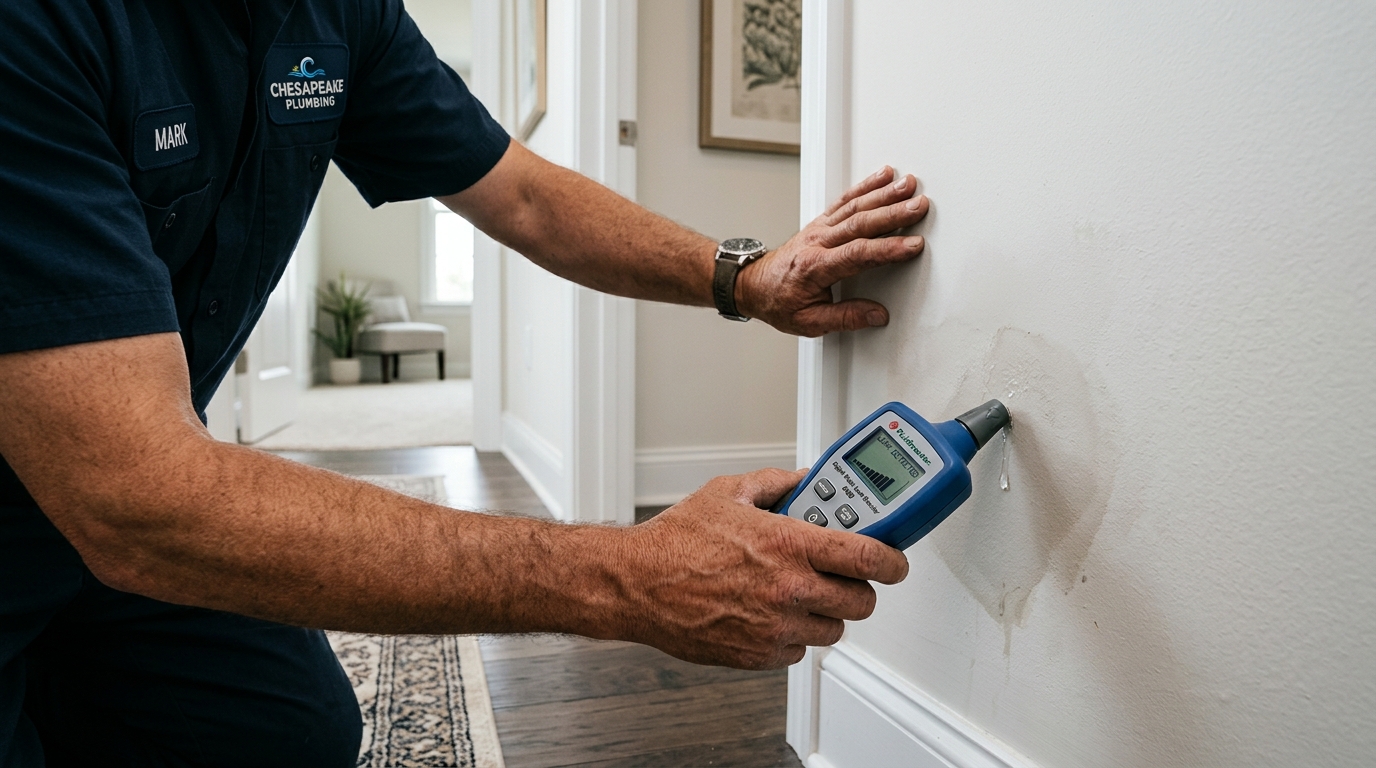
2. Thermal Imaging: Thermal cameras can detect temperature variations caused by dampness from leaks. This non-invasive method allows us to pinpoint the exact location of a leak without damaging your property.

3. Moisture Meters: Moisture meters assess the moisture content in walls and floors, helping us detect abnormal levels that suggest the presence of hidden water leaks.

Why Early Leak Detection Matters

Detecting water leaks early can prevent structural damage, save on water bills, and protect your home from potential health risks associated with mold and mildew.

Mallick Plumbing & Heating recommends regular inspections and immediate action if you suspect a leak and can assist with this by calling (301) 804-6759.

How to Prevent Water Leaks

Prevention is always better than cure. Here are some tips to help prevent water leaks in your home:

  • Regular Maintenance: Schedule regular plumbing inspections with Mallick Plumbing & Heating to catch issues before they escalate.

  • Monitor Water Pressure: Ensure your water pressure is not too high, as excessive pressure can strain your pipes and lead to leaks. One solution Mallick Plumbing & Heating offers to this is a MOEN Flo. 

  • Be Cautious with Chemicals: Avoid using harsh chemicals to clear clogs, as these can corrode pipes over time.

If you suspect a water leak in your Gaithersburg home, don’t wait for the signs to become more severe. Contact Mallick Plumbing & Heating at (301) 804-6759for expert leak detection and repair services.

Understanding the Plumbing Needs of Older Homes

As charm-filled and character-laden as older homes in Gaithersburg and surrounding areas of Maryland can be, they often come with unique plumbing challenges that require careful attention.

Understanding that maintaining the plumbing systems of older homes involves a nuanced approach and the assistance of Mallick Plumbing & Heating. Our licensed and insured plumbers handle everything that’s associated with older homes, focusing on leak detection, piping, bathroom plumbing, and kitchen plumbing.

If you have any questions about your home’s plumbing, contact us at (301) 804-6759!

Leak Detection in Older Homes

One of the primary concerns in older homes is the increased likelihood of leaks due to aging pipes. Regular leak detection is crucial to identify and address issues promptly. Professional plumbers can utilize advanced techniques, such as infrared technology or acoustic sensors, to pinpoint hidden leaks in walls, ceilings, or foundations without causing unnecessary damage to the home’s structure.

Piping Systems in Older Homes

Older homes often feature outdated piping materials – such as galvanized steel or lead. These materials are more prone to corrosion and can impact water quality. Upgrading to modern materials like copper or PEX can improve water flow, prevent corrosion, and enhance the overall integrity of the plumbing system. A comprehensive inspection by plumbing experts can assess the condition of existing pipes and recommend necessary upgrades.

Bathroom Plumbing Considerations

Bathroom plumbing in older homes may have outdated fixtures and plumbing configurations. Upgrading to water-efficient toilets, faucets, and showerheads not only conserves water but also improves the overall functionality of the bathroom. Additionally, inspecting and replacing worn-out seals, gaskets, and pipes can prevent leaks and water damage.

Kitchen Plumbing Upgrades

Kitchens in older homes might have outdated plumbing systems that don’t align with modern demands. Upgrading kitchen plumbing involves assessing the condition of pipes, fixtures, and appliances. Installing energy-efficient dishwashers, garbage disposals, and updating sink fixtures can enhance both the functionality and sustainability of the kitchen.

Benefits of Addressing Plumbing Needs in Older Homes

  1. Preventing Water Damage: Timely leak detection and plumbing upgrades prevent water damage to the structure and foundation of older homes.
  2. Improving Water Quality: Upgrading piping materials enhances water quality, addressing concerns related to corrosion or outdated plumbing materials.
  3. Enhancing Energy Efficiency: Kitchen and bathroom plumbing upgrades contribute to energy efficiency, reducing water and energy consumption.
  4. Preserving Home Value: Proactive plumbing maintenance and upgrades contribute to the overall value and marketability of older homes.

Understanding and addressing the unique plumbing needs of your older home in Gaithersburg or the surrounding Maryland areas requires a combination of expertise and tailored solutions.

Contact us at (301) 804-6759 to ensure that your charming older home enjoys a plumbing system that seamlessly integrates modern efficiency with timeless appeal! 

Seasonal Plumbing Tips: Preparing Your Home for Extreme Weather

As the frigid winter weather makes itself at home, it brings along unique challenges for your home’s plumbing system. The freezing temperatures pose a threat to pipes, including the ones associated with your water heater.

Winter plumbing concerns are not only inconvenient but can lead to costly damages if not addressed promptly. Mallick Plumbing & Heating understands the unique needs of homes in the Gaithersburg and Maryland area.

If you have any questions about your home’s plumbing system, please contact us at (301) 804-6759 for immediate assistance!

Here’s a few tips from our Mallick Plumbing & Heating team to prepare your plumbing for any weather conditions:

1. Drain Cleaning for All Seasons

Start each season with a comprehensive drain cleaning. Over time, debris, hair, and grease can accumulate in your drains, leading to slow drainage and potential clogs. Professional drain cleaning ensures your plumbing is free-flowing, reducing the risk of backups and other plumbing issues.

2. Guard Against Frozen Pipes

Cold winters in Gaithersburg and surrounding areas of Maryland make frozen pipes a real concern. To prevent pipes from freezing, insulate exposed pipes in unheated areas, and seal any gaps or cracks in your home’s exterior. When extremely cold weather is forecasted, allow faucets to drip to relieve pressure in the pipes and prevent freezing.

3. Regular Leak Detection

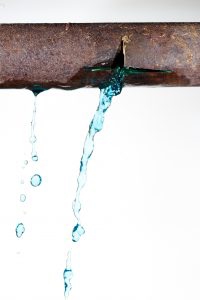
Leaks can occur at any time and often go unnoticed until they cause significant damage. Implement regular leak detection checks by inspecting visible pipes, faucets, and appliances for signs of water accumulation or moisture. Leaks are very common after your pipes have frozen from the frigid weather. The water expansion puts a lot of pressure on your pipes and typically causes them to break. If you notice any leaks, address them promptly to prevent any water damage and mold growth.

4. Monitor Water Pressure

Fluctuations in water pressure can indicate underlying plumbing issues. Install a pressure gauge to monitor water pressure regularly. If you notice any sudden changes, it could signal a problem in the water supply or distribution system that needs professional attention.

5. Ensure Plumbing Fixtures are Working Properly

Check that all plumbing fixtures, including faucets, toilets, and showerheads, are working properly. Replace worn-out components, address slow drains, and repair any fixtures that are leaking or not functioning as they should. This ensures efficient water usage and prevents potential plumbing emergencies.

6. Prepare for Plumbing Emergencies

Despite preventive measures, emergencies can still happen. Know the location of your main water shut-off valve and how to turn it off. This quick action can minimize water damage in the event of a burst pipe or major leak.

Keep the contact information for a reliable plumbing service like Mallick Plumbing & Heating handy for immediate assistance in case of emergencies.

Taking these seasonal plumbing tips to heart will help keep your Gaithersburg or Maryland home’s plumbing in top condition, no matter what weather challenges come your way.

For professional assistance with drain cleaning, frozen pipes, leak detection, or any plumbing issues, contact Mallick Plumbing and Heating at (301) 804-6759 for immediate assistance!

Protecting Your Plumbing from Cold Weather

As the chilly winter months approach Gaithersburg and other parts of Maryland, it’s crucial to prepare your home for the drop in temperatures. One area that often gets overlooked is your plumbing system.

Cold weather can wreak havoc on pipes, causing them to freeze and potentially burst, leading to costly repairs. Mallick Plumbing & Heating in Gaithersburg, Maryland, understands the importance of safeguarding your plumbing during winter.

If you have any questions or suspect any frozen pipes or leaks, please contact us at (301) 804-6759 for immediate assistance! 

Here’s a few tips you can take to protect the health of your plumbing system during the frigid winter conditions.

Insulate Your Pipes

One of the most effective ways to prevent pipes from freezing is to insulate them. Insulation helps retain the heat within the pipes, reducing the risk of freezing. Pipe in unheated areas – such as basements, crawl spaces and attics – are most likely to freeze. Keep an eye on these areas most frequently during the Winter months. Mallick Plumbing & Heating can assess your home’s specific needs and provide expert insulation solutions tailored to your plumbing system.


Seal Leaks and Cracks

Cold air can enter your home through small openings, leading to a drop in temperature and increasing the likelihood of frozen pipes. Inspect your home for any leaks or cracks in walls, windows, and doors. Seal these gaps with caulk or weatherstripping to keep the cold air out and the warmth in. By maintaining a well-sealed home, you not only protect your plumbing but also enhance your overall energy efficiency.

Disconnect and Drain Outdoor Faucets

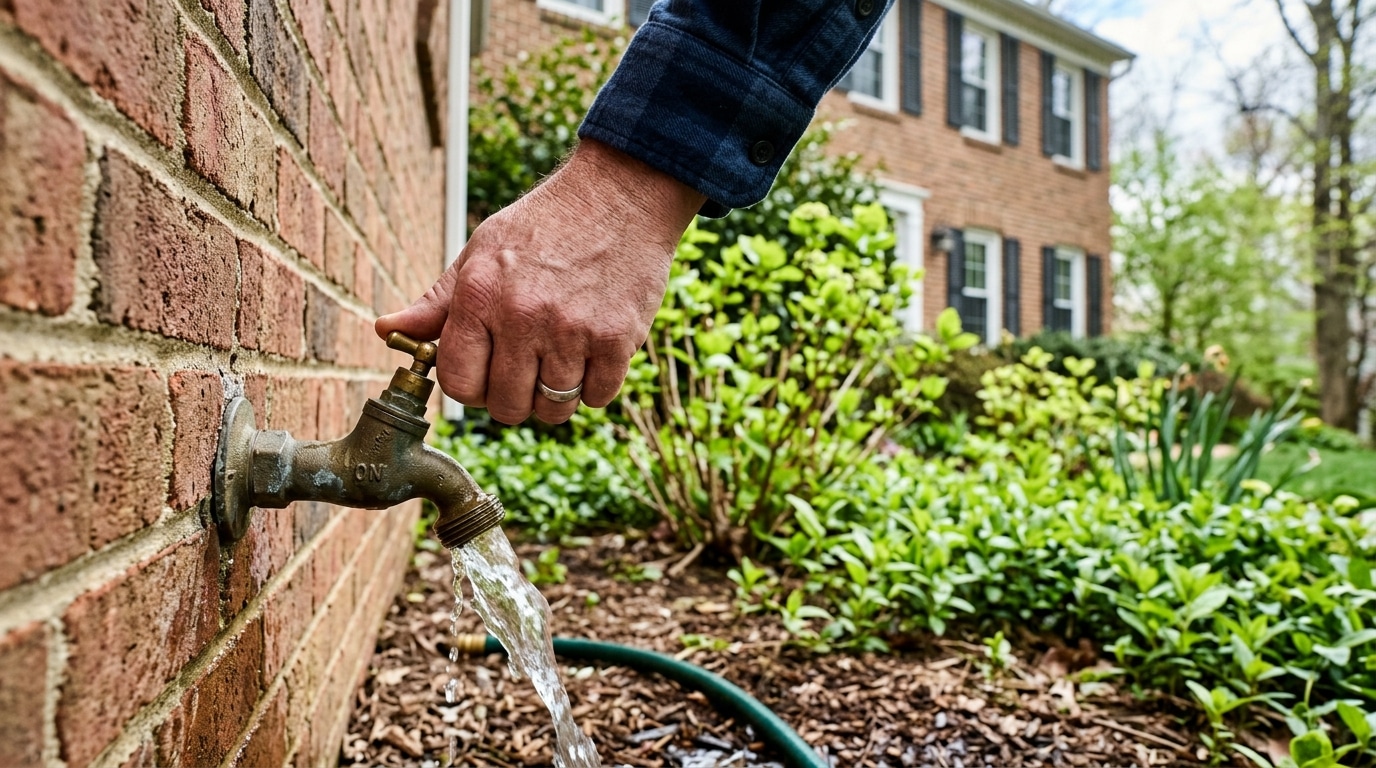
Outdoor faucets are particularly susceptible to freezing temperatures. Before winter sets in, disconnect and drain all hoses and outdoor faucets. Leaving water in these fixtures can result in frozen pipes and, subsequently, burst pipes. Mallick Plumbing & Heating can assist in properly winterizing your outdoor plumbing to prevent any cold weather-related damage.


Maintain a Consistent Temperature

Keeping your home at a consistent temperature, even when you’re away, can prevent pipes from freezing. While it may be tempting to lower the thermostat to save on energy costs, the potential damage from frozen pipes far outweighs the short-term savings.

Let Faucets Drip

Allowing faucets to drip slightly can relieve pressure within the plumbing system, reducing the risk of frozen pipes. Water is less likely to freeze if it is constantly moving. A good time to drip your faucets is overnight. Temperatures can drop even more during this period and dripping your faucets will help prevent any frozen pipes. While it may lead to a minor increase in water usage, the prevention of a major plumbing issue is well worth it.


Schedule a Winter Plumbing Checkup

Engage the services of Mallick Plumbing & Heating for a comprehensive winter plumbing checkup. Our experienced technicians can identify potential issues, inspect your plumbing system, and provide necessary repairs or improvements to ensure it is winter-ready.


Emergency Preparedness

Despite taking preventive measures, emergencies can still occur. Familiarize yourself with the location of your main water shut-off valve. In the event of a burst pipe or other plumbing emergencies, a quick shut-off can minimize damage and prevent further issues.


By taking these proactive steps to protect your plumbing, you can enjoy a worry-free winter season. Mallick Plumbing & Heating is dedicated to ensuring the well-being of your plumbing system in Gaithersburg and surrounding Maryland communities.

Contact Mallick Plumbing & Heating Today at (301) 804-6759 for help with Winterizing your home. 

How to Locate Your Main Water Shutoff Valve in 3 Easy Steps

Water is an essential resource in our homes, but when a plumbing emergency strikes, knowing how to quickly shut off the main water supply can be crucial. Whether you’re dealing with a burst pipe, a leak, or any other plumbing issue, locating your main water shutoff valve is the first step to minimizing damage and preventing further problems.

Whether your home is in Gaithersburg or any other surrounding Maryland area, this guide will walk you through three easy steps to find your main water shutoff valve.

Step 1: Identify Possible Locations

The main water shutoff valve is typically located near where the water line enters your Gaithersburg or Maryland home. Start by considering common areas where plumbing fixtures are present. Here are some common locations to check:

  1. Basement or Crawlspace: In many homes, especially those in colder climates, the main water shutoff valve is situated in the basement or crawlspace near the front foundation wall. Look for a valve along the water line coming in from the street. A good rule of thumb:
  • If you’re on municipal water, your main water shutoff valve if located at the front of your house.
  • If you’re on well water, it is typically located at the back of the house.
  1. Garage: If your home has a garage, the main water shutoff valve might be located there, especially if the garage is close to the main entry point of the water supply.
  2. Utility Room: Check your utility or laundry room. The main shutoff valve is often placed near the water heater or utility sink. Look for a valve along the water line.
  3. Exterior Walls: Sometimes, the valve may be located on an exterior wall, typically near the front of the house. It may be inside a utility box or an insulated cover.

Step 2: Inspect Visible Pipes and Valves

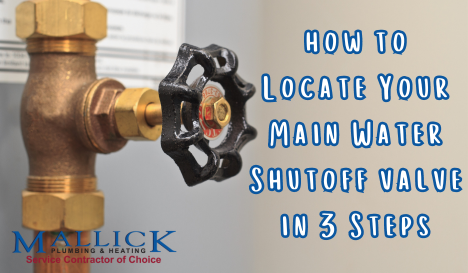
Once you have identified potential locations, visually inspect the area for pipes and valve. You will potentially have either a ball valve with a skinny handle or a wheel-like handle that controls the flow of water into your home.

If you have a ball valve, it will be in the “On” position. Turn it to the “Off” position to stop water flow into the home. Depending on your plumbing system, the valve may be brass, copper or another material and may vary in size.

If you have a wheel-like handle, turn it clockwise to shut off the water.

Step 3: Ask for Assistance or Consult Home Plans

If you’re unable to locate the main water shutoff valve on your own, consider asking for assistance. Reach out to our Mallick Plumbing & Heating team or consult with a knowledgeable friend or neighbor. Additionally, if you have access to your home’s building plans, they may indicate the location of the main water shutoff valve.

Remember that locating the main water shutoff valve is a valuable skill for homeowners. Taking the time to familiarize yourself with its location can save you from potential water damage and provide peace of mind in case of a plumbing emergency.

By following these three easy steps, you can confidently locate and operate your main water shutoff valve, empowering you to take control of unexpected plumbing situations and protect your home from water-related damage.