Sewer Line Problems in Maryland: Signs, Causes & What to Expect

Of all the plumbing problems a Maryland homeowner can have, a failing sewer line is the most disruptive. The symptoms come on slowly, the repair is invasive, and ignoring it eventually leaves you with sewage backing up into the lowest fixtures in the house. If you’re researching sewer line repair in Maryland because you’ve noticed a slow drain in the basement or a soggy patch in the yard, this guide walks through the signs, the causes, and what to expect when a licensed plumber from Mallick Plumbing & Heating diagnoses and fixes the problem.

6 Signs of a Sewer Line Problem

Sewer line failures rarely happen all at once. Watch for these indicators:

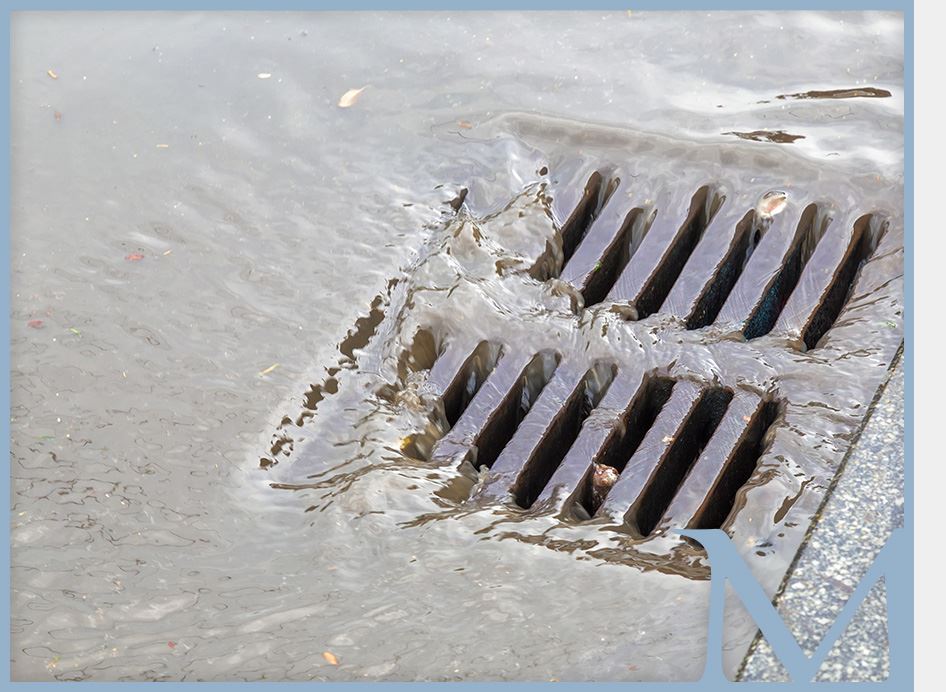
  • Multiple drains slow or gurgle at the same time. A clogged kitchen sink alone is usually a localized blockage. When the toilet, the tub, and the basement floor drain all start acting up together, the problem is in the main line.
  • Sewage smell inside or in the yard. The smell of sewage in the basement, or coming up from a floor drain, points to a sewer line that’s no longer venting properly. A wet, sewer-smelling patch in the yard often means the line has broken underground.
  • Unusually green grass in a line over the sewer. A leaking sewer line acts as fertilizer. A stripe of greener, taller grass running from the house to the street is a classic warning sign.
  • Wet spots in the yard with no obvious cause. Soft, soggy patches that don’t dry out after rain stops can be sewer line leaks.
  • Backups in the lowest fixture. If a basement floor drain or basement toilet backs up when you flush an upstairs toilet, the main line is partially blocked downstream.
  • Foundation cracks or settling. A long-running underground leak can wash soil away from your foundation, causing localized settling and cracking.

If any of these show up, stop using water in the house and call us. A sewer backup that continues to grow gets exponentially harder to clean up.

Top Causes of Sewer Line Problems in Maryland Homes

Maryland’s housing stock and soil conditions create a specific set of failure modes. The most common causes we see in Gaithersburg, Montgomery County, and Frederick County:

  • Tree root intrusion. Older mature trees in established Maryland neighborhoods send roots toward any moisture source. Sewer lines with even small cracks attract roots, which then grow inside the pipe and create blockages. This is by far the most common cause we see in homes built before 1990.
  • Aging clay or cast iron pipe. Many Maryland homes built before 1980 have clay or cast iron sewer laterals. EPA infrastructure studies note that these materials have finite lifespans and tend to fail after 50 to 80 years, depending on soil conditions.
  • Bellies and sags. Over decades, ground movement can cause a section of sewer line to sag below grade. Waste collects in the low spot and creates chronic clogs even though the pipe itself isn’t broken.
  • Corroded cast iron from the inside. Cast iron sewer pipe corrodes from the inside over decades. The bore narrows, then scale flakes off and creates blockages.
  • Joint separation. Older sewer lines were laid in segments. Ground shifting can pull the joints apart, allowing roots in and waste out.
  • What gets flushed. “Flushable” wipes, paper towels, feminine products, and grease build up in sewer lines and accelerate every other failure mode.

How a Sewer Camera Inspection Works

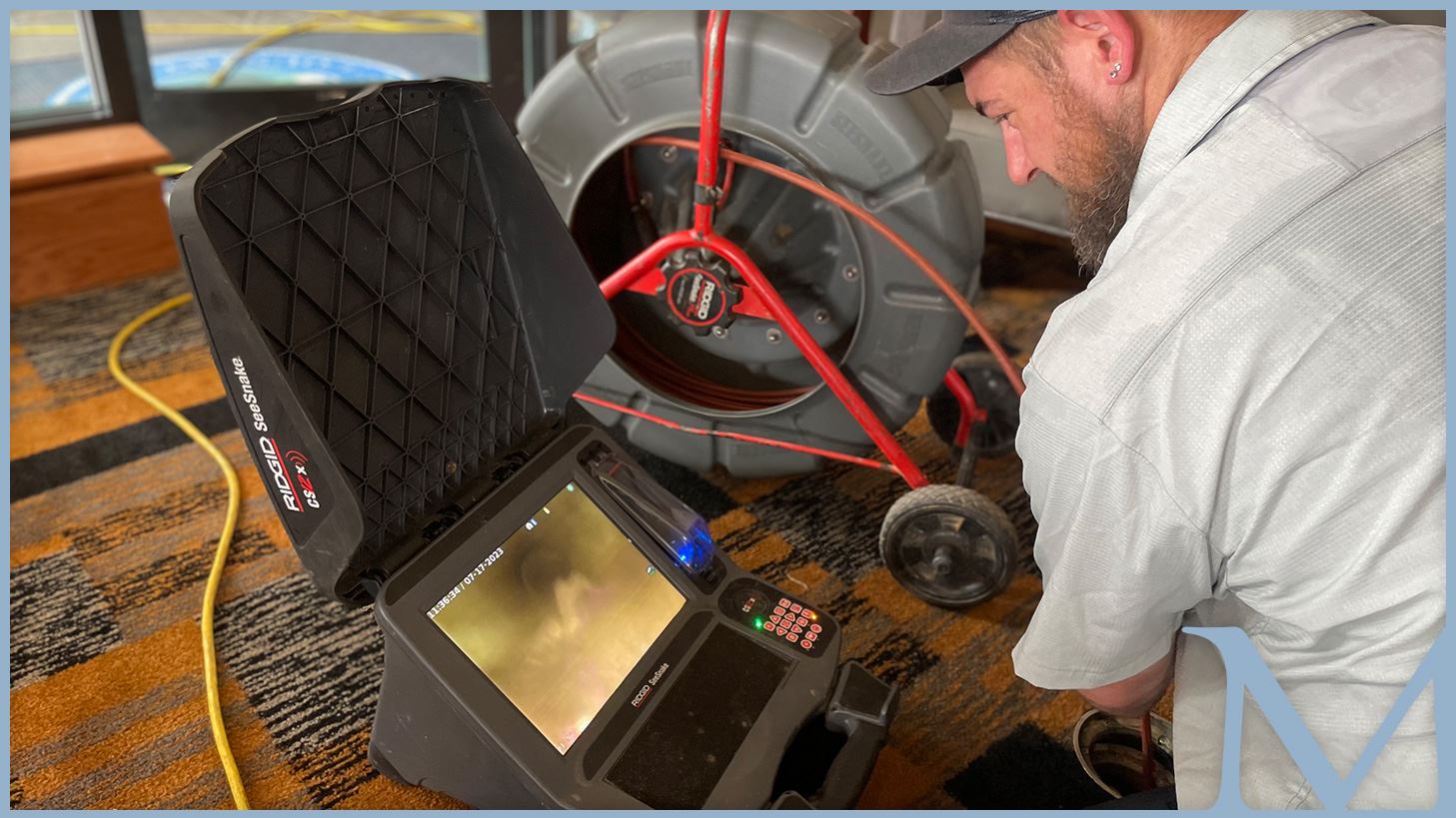
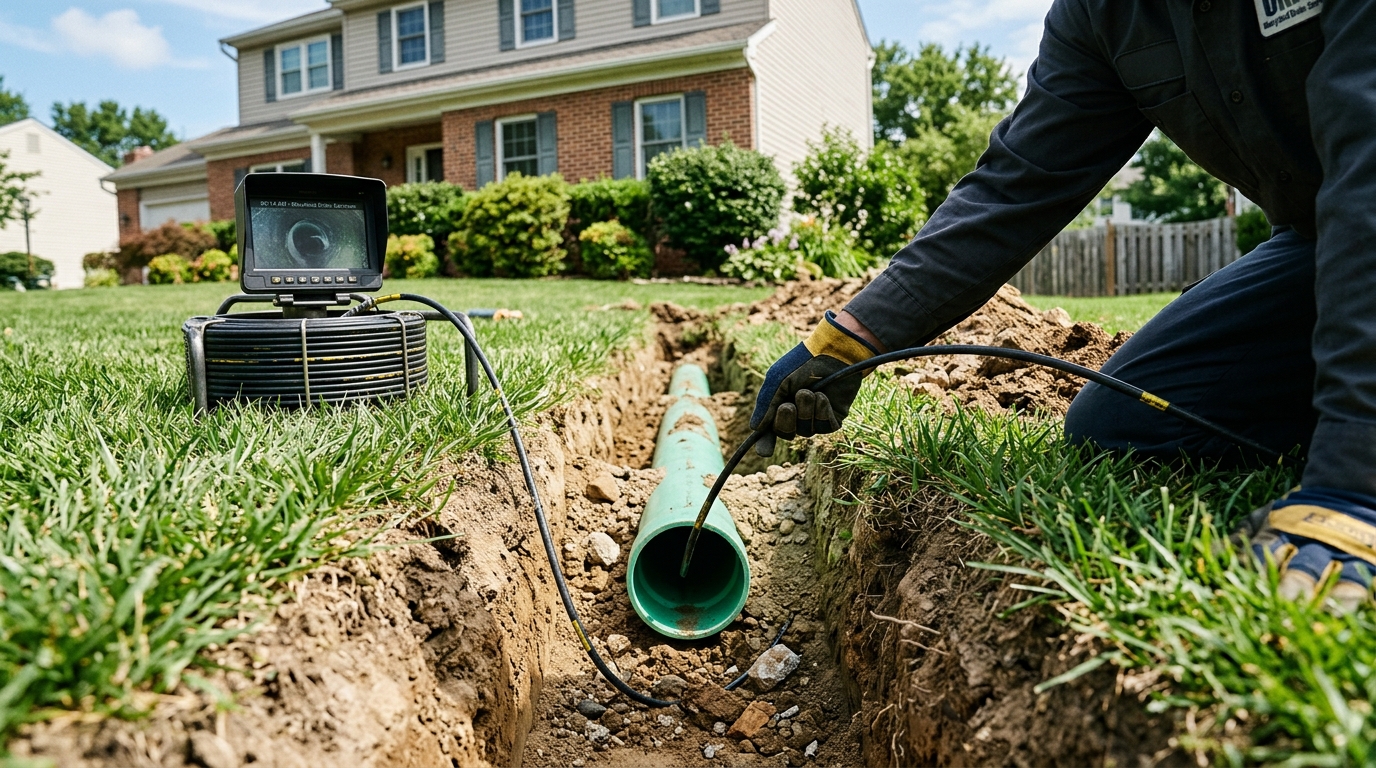
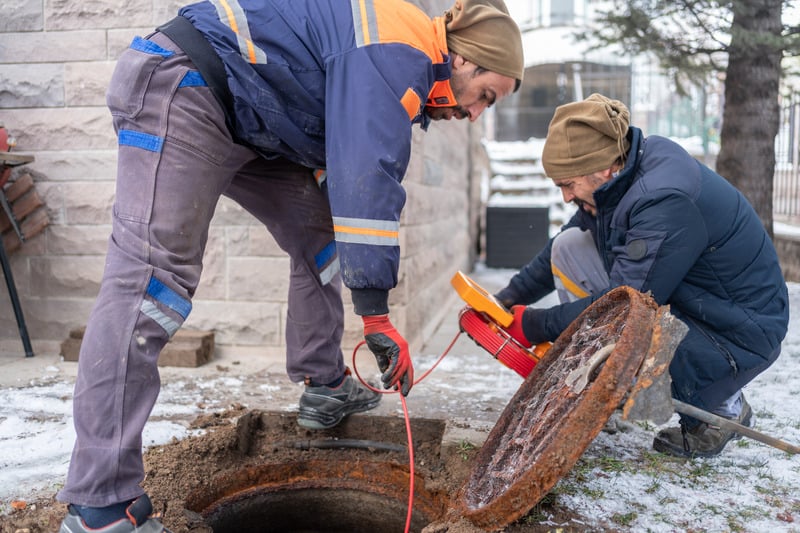
The diagnostic step that separates a guess from a real plan is a sewer camera inspection. A flexible cable with a high-resolution camera on the tip is fed into the sewer line through an access point, usually a basement cleanout. The camera shows real-time video of the entire run from the house to the street main, capturing exactly where the problem is, what’s causing it, and how severe it is.

A camera inspection takes a Mallick technician 30 to 60 minutes and tells you with certainty whether you’re dealing with a single tree-root blockage, a belly in the line, a full pipe failure, or something else entirely. Without one, you’re guessing — and guessing wrong on a sewer line repair gets expensive fast.

Repair vs. Full Replacement

The camera tells us which path makes sense. The two main repair options for Maryland homes are:

  • Spot repair / cleanout. For localized issues — a single tree-root intrusion, a specific clogged section, a single broken joint — a spot dig or hydro-jetting can clear the issue without replacing the entire line.
  • Trenchless replacement (pipe lining or pipe bursting). For older lines with multiple failure points, a lining system installs a new pipe inside the old one with minimal digging. Pipe bursting pulls a new pipe through the old line, fracturing the old one as it goes. Both options preserve landscaping and driveways compared to traditional excavation.
  • Open-trench replacement. When the line is too far gone or in a layout that doesn’t suit trenchless methods, traditional excavation is still the right answer. It’s the most disruptive but the most thorough fix.

The Repair Process Step by Step

When you call Mallick Plumbing for a suspected sewer line issue, here’s what to expect:

  • Diagnostic visit. A licensed Maryland plumber arrives, talks through the symptoms, and runs a sewer camera inspection.
  • Written, itemized estimate. Based on what the camera shows, we provide a written quote with the recommended approach and any alternative options.
  • Permit coordination. Montgomery County and Frederick County require permits for sewer line work that involves the property line or county right-of-way. We pull all required permits and coordinate inspections.
  • Repair. Most spot repairs are completed in a single day. Trenchless replacements typically take one to two days. Open-trench replacements depend on length and depth.
  • Final inspection and cleanup. We run a follow-up camera inspection on the new line and restore any disturbed yard or hardscape to the extent the contract specifies.

Why Mallick for Sewer Line Work in Maryland

Mallick Plumbing & Heating has been handling sewer line repairs and replacements in Gaithersburg, Rockville, Germantown, Bethesda, Frederick, Woodbine, and the surrounding communities for years. Every job starts with a real diagnostic — not a guess. We pull every required permit, document the work with before-and-after camera footage, and back our work with a written workmanship warranty. For active backups, our 24/7 emergency line is staffed by live dispatchers, not voicemail.

For more on the sewer services we provide for Maryland homes, visit our sewer services page.

Get a Sewer Line Inspection in Maryland

The cheapest sewer repair is the one you catch before it becomes an emergency. If you’ve noticed any of the warning signs above, schedule a camera inspection before the line backs up. Schedule a sewer line camera inspection with Mallick Plumbing & Heating today.

Ask the Expert: Signs of a Broken Sewer Pipe

A broken sewer pipe can lead to significant problems in your home if not addressed quickly. From unpleasant odors to potential structural damage, the consequences of a damaged sewer line can be both costly and hazardous. Knowing the early warning signs can help you take action before the problem worsens.  

Common Sewer Pipe Repair Signs

Sewer pipes are typically buried deep underground, which can make it difficult to detect when they’re damaged. However, there are several external and internal signs to look for that can indicate a problem with your sewer line. Recognizing these early signs can help you avoid extensive and expensive repairs.

Here’s a few signs to look out for:

  1. Foul Odors: One of the most noticeable indicators of a broken sewer pipe is the smell of sewage. If you notice a persistent foul odor, particularly around your drains, yard, or basement, sewage may be leaking from your pipes. This smell should never be ignored as it can indicate a severe issue that requires immediate attention.

  2. Slow Drains: Slow-moving drains throughout your home can be a symptom of a blocked or damaged sewer line. If you notice that more than one drain is slowing down, especially in the kitchen or bathroom, it’s a sign that there might be a clog or break in the main sewer line.

  3. Sewage Backups: Sewage backing up into your home is a major red flag. If water or sewage starts coming up through your drains, particularly in lower levels of your home like the basement, it’s a clear indication of a sewer line issue. Backups often occur when the main sewer line is damaged or blocked, preventing wastewater from flowing out properly.

Noticing any of these signs? We can help! Call us at (301) 804-6759 to speak with a knowledgeable Mallick Plumbing & Heating Team Member. 

Broken Sewer Pipe Symptoms

In addition to external signs like odors and backups, there are internal symptoms that could point to a broken sewer pipe. Here’s what to look for inside your home:

  1. Mold Growth: If you notice mold growth on your walls or ceilings, particularly in areas near plumbing fixtures, it could indicate a leak from a broken sewer pipe. Mold thrives in damp environments, and leaking sewage or water from a cracked pipe can create the perfect conditions for it to grow.

  2. Foundation Cracks: Over time, a broken sewer pipe can cause the soil around your home to shift, which may lead to cracks in your foundation. If you notice new or widening cracks in your walls, floors, or the foundation itself, a damaged sewer line could be to blame. This is a serious issue that requires prompt sewer pipe repair to prevent further structural damage.

  3. Pest Infestations: A broken sewer pipe can create an entry point for pests like rodents and insects. If you start noticing an increase in pests around your home, especially near drains or in your basement, it could be a sign of sewer line damage.

What to Do if You Notice Sewer Line Damage Indicators

If you notice any of the above symptoms, it’s crucial to contact a professional plumbing service as soon as possible. The experts at Mallick Plumbing & Heating offer comprehensive sewer line inspections and repairs to quickly identify and address the problem. Using advanced technology such as video pipe inspection, we can accurately diagnose the issue and provide the appropriate repair or replacement solution.

The Importance of Timely Repairs

Ignoring broken sewer pipe symptoms can lead to costly and potentially hazardous consequences. If left unchecked, a damaged sewer line can cause:

  • Extensive Water Damage: A leaking sewer pipe can cause water damage in your home, leading to expensive repairs and mold remediation.

  • Health Hazards: Sewage contains harmful bacteria that can pose serious health risks if it seeps into your home or yard.

  • Increased Repair Costs: The longer you wait to address a broken sewer pipe, the more extensive the damage can become, leading to higher repair costs down the line.

If you suspect a problem with your sewer line, call us at (301) 804-6759 for expert assistance. Our experienced plumbers will assess the situation and recommend the best course of action to restore your sewer system and protect your home.

Why Does My Toilet Keep Clogging?

Dealing with a toilet that frequently clogs can be a significant inconvenience, pointing to underlying issues in your plumbing system that need attention.

By having experts at Mallick Plumbing & Heating – who help identify and resolve persistent toilet clogs with effective solutions like drain cleaning, hydro jetting, and regular sewer line maintenance – understanding the common causes of these clogs can help you prevent them in the future and maintain a more efficient plumbing system. 

Common Causes of Toilet Clogs

1. Non-Flushable Items: One of the top reasons for clogged toilets is the flushing of items that should not be disposed of in this manner. Products such as wipes (even those labeled as flushable), feminine hygiene products, cotton swabs, and dental floss can obstruct your plumbing, leading to severe blockages.

2. Older Low-Flow Toilets: Early models of low-flow toilets often lack the necessary pressure to effectively clear their internal trap and drain, resulting in frequent clogs. These toilets are designed to conserve water but sometimes fall short on performance.

3. Blocked Trap: The trap, an S-shaped pipe under the toilet bowl, can easily become clogged with waste or non-soluble materials, preventing proper flushing and leading to backups.

4. Clogged Plumbing Vent: Plumbing systems include vents to allow air into the pipes, facilitating smooth water flow. If these vents are obstructed by external debris like leaves or nests, it can decrease air pressure and disrupt drainage, causing the toilet to clog frequently.

5. Main Sewer Line Issues: If there are broader issues with your main sewer line, including tree root intrusion or severe blockages from accumulated debris, it can manifest as recurring clogs in your toilets. These issues can affect your entire home’s plumbing and require immediate professional attention.

Professional Solutions from Mallick Plumbing & Heating

Drain Cleaning: Regular professional drain cleaning is crucial to remove build-ups and minor blockages in your toilet’s plumbing. Mallick Plumbing & Heating provides expert cleaning services that can prevent clogs before they become serious problems.

Hydro Jetting: For tougher or recurrent clogs, hydro jetting is an effective method. This technique uses high-pressure water streams to clear out blockages and scrub the interior surfaces of your pipes, eliminating buildup that could lead to future clogs.

Sewer Line Inspections: Regular inspections of your sewer line can preempt issues that lead to toilet clogs. Mallick Plumbing & Heating uses advanced camera technology to inspect sewer lines and identify any potential problems, such as cracks, obstructions, or tree root infiltrations.

To receive expert solutions and professional service, call Mallick Plumbing & Heating today at (301) 804-6759!

DIY Tips and When to Call a Professional

  • Mind What You Flush: Educate your household about what can and cannot be flushed. Keeping a waste bin beside the toilet can help prevent inappropriate items from being flushed.

  • Use the Right Tools: A flange plunger is more effective for toilets and can be used to clear minor clogs before they worsen.

  • Regular Cleaning: Keep your toilet and its surrounding plumbing clean to avoid mineral buildup and smaller blockages.

If your efforts to resolve frequent clogs are unsuccessful, it’s time to call the professionals at Mallick Plumbing & Heating at (301) 804-6759. Persistent issues often indicate more complex problems within your plumbing system that require expert intervention.

What Not to Put Down the Drain: A GuWhat Not to Put Down the Drain: A Guide to a Clog-Free Kitchen

Your kitchen drain is not a magical portal capable of swallowing anything and everything you throw its way. In fact, treating it as such can lead to unpleasant consequences, like a clogged drain that disrupts your daily routine and drains your wallet.
At Mallick Plumbing & Heating, we understand the importance of proper drain maintenance to keep your kitchen running smoothly.
If you do find yourself in need of some assistance with your drain, please contact us at (301) 804-6759 to speak directly to a Mallick Team Member.
Here’s a comprehensive guide on what not to put down the drain for a clog-free kitchen.

Grease and Cooking Oils

One of the biggest culprits behind kitchen drain clogs is grease and cooking oils. While these substances may be liquid when hot, they solidify as they cool down, coating the inside of your drain pipes and trapping food particles. Over time, this buildup can lead to stubborn clogs that require professional drain cleaning services to clear. Instead of pouring grease and oils down the drain, let them cool in a disposable container and dispose of them in the trash.

Coffee Grounds

Coffee grounds might seem harmless, but they can wreak havoc on your kitchen drain. These fine particles can accumulate in your pipes, creating a dense blockage that impedes water flow. To prevent this, dispose of coffee grounds in the trash or use them as compost for your garden instead.

Eggshells

While eggshells may seem brittle and easily breakable, they can actually create a sandy residue that accumulates in your drain pipes and contributes to clogs. It’s best to dispose of eggshells in the trash or add them to your compost pile rather than washing them down the drain.

Pasta and Rice

Pasta and rice are notorious for expanding when exposed to water, which can lead to blockages in your drain pipes. Even small amounts of these starchy foods can swell and create clogs over time. To prevent this, scrape leftover pasta and rice into the trash before washing dishes.

Fruit Peels

While it may be convenient to toss fruit peels down the drain while preparing meals, doing so can lead to clogs and foul odors in your kitchen. Fruit peels are fibrous and can wrap around other debris in your drain, creating a tangled mess that is difficult to remove. Dispose of fruit peels in the trash or compost them instead.

Fibrous Vegetables

Fibrous vegetables like celery, asparagus, and corn husks should never be washed down the drain. These stringy vegetables can get tangled in your drain pipes and create stubborn clogs that are difficult to clear. Dispose of fibrous vegetables in the trash or add them to your compost pile.

Trust Mallick Plumbing & Heating for Professional Drain Cleaning Services

While following these guidelines can help prevent kitchen drain clogs, it’s inevitable that you may encounter a clog at some point. When that happens, trust the experts at Mallick Plumbing & Heating for professional drain cleaning services. Our skilled technicians have the tools and expertise to quickly and effectively clear clogged drains, restoring proper water flow to your kitchen sink.

Don’t let the kitchen drain clogs disrupt your daily routine, call Mallick Plumbing & Heating at (301) 804-6759 for reliable drain cleaning services!

Preventative Tips for Sewer Main Problems

A malfunctioning sewer main can quickly escalate from a minor inconvenience to a major headache, causing foul odors, backed-up drains, and potential water damage. At Mallick Plumbing & Heating, we understand the importance of proactive maintenance to prevent costly sewer main repairs or replacements.
If you have any questions or suspect any issues with your main sewer line, please contact us at (301) 804-6759 for immediate assistance!
Here are some preventative tips to keep your sewer main in top condition.

Regular Inspections

Routine inspections of your sewer lines are essential for identifying potential problems before they escalate. Schedule regular inspections with a professional plumber to assess the condition of your sewer main. Using specialized equipment like sewer cameras, plumbers can identify issues such as cracks, tree root intrusion, or blockages.

Early detection allows for timely repairs, preventing more extensive damage down the line.

Mindful Landscaping

The roots of trees and shrubs are attracted to sources of moisture, making sewer lines an appealing target. Planting trees and shrubs too close to your sewer main can lead to root intrusion, causing blockages and damage to the pipes.

It’s important to be mindful of landscaping near sewer lines, and avoid planting large trees or deep-rooted plants in close proximity. If you suspect root intrusion, consult with a professional plumber to assess the situation and take appropriate measures to prevent further damage.

Proper Waste Disposal

What goes down your drains can have a significant impact on the health of your sewer main. Avoid flushing non-biodegradable items like baby wipes, feminine hygiene products, paper towels, and cotton swabs down the toilet.

These items can accumulate in your sewer lines, leading to blockages and potential sewer main repairs. Dispose of these items in the trash instead.

Grease Disposal

Pouring grease and cooking oils down the drain may seem convenient, but it can wreak havoc on your sewer main. Grease solidifies as it cools, forming stubborn clogs that impede water flow. To prevent grease buildup in your sewer lines, let grease cool and solidify in a disposable container before disposing of it in the trash.

Monitor Water Usage

Excessive water usage can put a strain on your sewer main, increasing the risk of backups and damage. Monitor your water usage and take steps to conserve water where possible.

Fixing leaks, installing low-flow fixtures, and being mindful of water consumption can reduce the stress on your sewer lines and prolong their lifespan.

Professional Maintenance

Regular maintenance by a professional plumber is crucial for keeping your sewer main in optimal condition. Schedule preventative maintenance appointments with Mallick Plumbing & Heating to inspect your sewer lines, clean out any debris or buildup, and ensure everything is functioning properly. Professional maintenance can catch small issues before they escalate into expensive sewer main repairs or replacements.

Trust Mallick Plumbing & Heating for Sewer Main Services

If you encounter sewer main problems despite your preventative efforts, trust Mallick Plumbing & Heating for expert sewer main repair or replacement services.

Our team of skilled plumbers has the knowledge and experience to diagnose and resolve sewer main issues efficiently and effectively. Whether you need routine maintenance, emergency repairs, or a complete sewer main replacement, we’re here to help. With our proactive approach and expert services, you can enjoy peace of mind knowing your sewer lines are well-maintained and functioning smoothly.

Call Mallick Plumbing & Heating today at (301) 804-6759 to schedule preventative maintenance and keep your sewer main in top condition.

Understanding the Plumbing Needs of Older Homes

As charm-filled and character-laden as older homes in Gaithersburg and surrounding areas of Maryland can be, they often come with unique plumbing challenges that require careful attention.

Understanding that maintaining the plumbing systems of older homes involves a nuanced approach and the assistance of Mallick Plumbing & Heating. Our licensed and insured plumbers handle everything that’s associated with older homes, focusing on leak detection, piping, bathroom plumbing, and kitchen plumbing.

If you have any questions about your home’s plumbing, contact us at (301) 804-6759!

Leak Detection in Older Homes

One of the primary concerns in older homes is the increased likelihood of leaks due to aging pipes. Regular leak detection is crucial to identify and address issues promptly. Professional plumbers can utilize advanced techniques, such as infrared technology or acoustic sensors, to pinpoint hidden leaks in walls, ceilings, or foundations without causing unnecessary damage to the home’s structure.

Piping Systems in Older Homes

Older homes often feature outdated piping materials – such as galvanized steel or lead. These materials are more prone to corrosion and can impact water quality. Upgrading to modern materials like copper or PEX can improve water flow, prevent corrosion, and enhance the overall integrity of the plumbing system. A comprehensive inspection by plumbing experts can assess the condition of existing pipes and recommend necessary upgrades.

Bathroom Plumbing Considerations

Bathroom plumbing in older homes may have outdated fixtures and plumbing configurations. Upgrading to water-efficient toilets, faucets, and showerheads not only conserves water but also improves the overall functionality of the bathroom. Additionally, inspecting and replacing worn-out seals, gaskets, and pipes can prevent leaks and water damage.

Kitchen Plumbing Upgrades

Kitchens in older homes might have outdated plumbing systems that don’t align with modern demands. Upgrading kitchen plumbing involves assessing the condition of pipes, fixtures, and appliances. Installing energy-efficient dishwashers, garbage disposals, and updating sink fixtures can enhance both the functionality and sustainability of the kitchen.

Benefits of Addressing Plumbing Needs in Older Homes

  1. Preventing Water Damage: Timely leak detection and plumbing upgrades prevent water damage to the structure and foundation of older homes.
  2. Improving Water Quality: Upgrading piping materials enhances water quality, addressing concerns related to corrosion or outdated plumbing materials.
  3. Enhancing Energy Efficiency: Kitchen and bathroom plumbing upgrades contribute to energy efficiency, reducing water and energy consumption.
  4. Preserving Home Value: Proactive plumbing maintenance and upgrades contribute to the overall value and marketability of older homes.

Understanding and addressing the unique plumbing needs of your older home in Gaithersburg or the surrounding Maryland areas requires a combination of expertise and tailored solutions.

Contact us at (301) 804-6759 to ensure that your charming older home enjoys a plumbing system that seamlessly integrates modern efficiency with timeless appeal! 

Seasonal Plumbing Tips: Preparing Your Home for Extreme Weather

As the frigid winter weather makes itself at home, it brings along unique challenges for your home’s plumbing system. The freezing temperatures pose a threat to pipes, including the ones associated with your water heater.

Winter plumbing concerns are not only inconvenient but can lead to costly damages if not addressed promptly. Mallick Plumbing & Heating understands the unique needs of homes in the Gaithersburg and Maryland area.

If you have any questions about your home’s plumbing system, please contact us at (301) 804-6759 for immediate assistance!

Here’s a few tips from our Mallick Plumbing & Heating team to prepare your plumbing for any weather conditions:

1. Drain Cleaning for All Seasons

Start each season with a comprehensive drain cleaning. Over time, debris, hair, and grease can accumulate in your drains, leading to slow drainage and potential clogs. Professional drain cleaning ensures your plumbing is free-flowing, reducing the risk of backups and other plumbing issues.

2. Guard Against Frozen Pipes

Cold winters in Gaithersburg and surrounding areas of Maryland make frozen pipes a real concern. To prevent pipes from freezing, insulate exposed pipes in unheated areas, and seal any gaps or cracks in your home’s exterior. When extremely cold weather is forecasted, allow faucets to drip to relieve pressure in the pipes and prevent freezing.

3. Regular Leak Detection

Leaks can occur at any time and often go unnoticed until they cause significant damage. Implement regular leak detection checks by inspecting visible pipes, faucets, and appliances for signs of water accumulation or moisture. Leaks are very common after your pipes have frozen from the frigid weather. The water expansion puts a lot of pressure on your pipes and typically causes them to break. If you notice any leaks, address them promptly to prevent any water damage and mold growth.

4. Monitor Water Pressure

Fluctuations in water pressure can indicate underlying plumbing issues. Install a pressure gauge to monitor water pressure regularly. If you notice any sudden changes, it could signal a problem in the water supply or distribution system that needs professional attention.

5. Ensure Plumbing Fixtures are Working Properly

Check that all plumbing fixtures, including faucets, toilets, and showerheads, are working properly. Replace worn-out components, address slow drains, and repair any fixtures that are leaking or not functioning as they should. This ensures efficient water usage and prevents potential plumbing emergencies.

6. Prepare for Plumbing Emergencies

Despite preventive measures, emergencies can still happen. Know the location of your main water shut-off valve and how to turn it off. This quick action can minimize water damage in the event of a burst pipe or major leak.

Keep the contact information for a reliable plumbing service like Mallick Plumbing & Heating handy for immediate assistance in case of emergencies.

Taking these seasonal plumbing tips to heart will help keep your Gaithersburg or Maryland home’s plumbing in top condition, no matter what weather challenges come your way.

For professional assistance with drain cleaning, frozen pipes, leak detection, or any plumbing issues, contact Mallick Plumbing and Heating at (301) 804-6759 for immediate assistance!

Mastering the Do’s and Don’ts with Your Garbage Disposal

An incredible technological innovation, the garbage disposal has significantly simplified waste disposal by enabling swift and effortless elimination of food waste without the chore of transporting bags to the curb each week.

However, it’s essential to note that the garbage disposal isn’t designed to supplant the waste or recycling bin. Often, maintenance for the garbage disposal system is disregarded or overlooked, potentially hastening the need for an unexpected replacement. Using your disposal improperly can lead to clogs, damage, and even hazardous situations.

At Mallick Plumbing & Heating in Gaithersburg, Maryland, we’re here to guide you through the essential do’s and don’ts of garbage disposals for efficient waste management. Here are some guidelines for your garbage disposal:

The Do’s of Garbage Disposals

  1. Do Use Cold Water: Run cold water when operating your garbage disposal. Cold water helps solidify oils and grease, allowing them to be chopped up before passing through the pipes.
  2. Do Cut Large Items: Cut larger food items into smaller pieces before putting them into the disposal. This helps prevent jams and ensures smoother processing.
  3. Do Use Citrus Peels: Grinding citrus peels can help freshen up the disposal and eliminate odors naturally.
  4. Do Regularly Clean and Maintain: Periodically clean the disposal using ice cubes or a mixture of baking soda and vinegar to remove buildup and maintain freshness.
  5. Do Use Proper Waste: Dispose of biodegradable food waste like fruit and vegetable scraps and non-fibrous leftovers in the disposal.

If you need assistance with your garbage disposal, call Mallick Plumbing & Heating at (301) 804-6759.

The Don’ts of Garbage Disposals

  1. Don’t Pour Grease or Oil: Avoid pouring cooking grease, fats, or oils down the disposal, as they can solidify and clog the pipes.
  2. Don’t Put Non-Food Items: Never dispose of non-food items, such as plastic, metal, glass, or paper, in the garbage disposal. These items can damage the blades or cause blockages.
  3. Don’t Grind Stringy or Fibrous Foods: Avoid putting fibrous or stringy foods like celery, corn husks, onion skins, or potato peels into the disposal, as they can wrap around the blades and cause jams. Also, refrain from putting uncooked pasta and rice down the drain. 
  4. Don’t Overload the Disposal: Refrain from overloading the disposal with too much food waste at once. Gradually feed items into the disposal to prevent overwhelming it.
  5. Don’t Use Harsh Chemicals: Avoid using harsh chemicals like bleach or drain cleaners in the disposal, as they can damage the unit and plumbing system.

Is your garbage disposal acting up? We can help. Give our Mallick Plumbing & Heating Team a call Today at (301) 804-6759.

Proper usage and maintenance of your garbage disposal can significantly extend its lifespan and prevent costly repairs. However, if you encounter persistent clogs, unusual noises, or malfunctions with your garbage disposal, it’s best to seek professional assistance from Mallick Plumbing & Heating.

Remember, responsible waste management with your garbage disposal not only keeps your kitchen running smoothly but also contributes to a healthier plumbing system and environment.

For expert guidance on garbage disposal maintenance or repairs, contact Mallick Plumbing & Heating. We’re dedicated to providing top-notch plumbing solutions to ensure your home operates smoothly and efficiently.

How to Tell if Your Pipes are Frozen

Winter in Gaithersburg and surrounding Maryland communities can be beautiful, but it can also bring the risk of frozen pipes. While it’s a situation we all hope to steer clear of, the truth is that frozen pipes are an unwelcome recurring winter issue that can cause chaos in your residence and potentially drain your finances if not promptly addressed.

Recognizing the signs of this problem in its early stages is not only vital for your peace of mind but can also spare you from the hassles of burst pipes, significant water damage, and costly repairs. Here are 5 signs to look out for if you suspect you have frozen pipes. 

1. No Water Flow

If you turn on a faucet and no water comes out, it’s a sign indicating that your pipes might be frozen. The blockage in the pipes prevents water from flowing, leaving you no water supply. That is not always the case but a strong possibility during the winter months. 

2. Frost on Visible Pipes

If you can access your pipes in unheated areas of your home, visually inspect them. If you notice frost or ice on the exterior of the pipes, it’s a strong indication that the water inside has frozen as well. Act promptly to thaw the pipes before they burst. You can carefully thaw the pipes with a space heater or hair dryer by slowly warming up the frozen area of the pipe. 

3. Strange Odors

Frozen pipes can sometimes cause strange odors in your plumbing system. This occurs when the frozen water traps odors from your sewage, leading to foul smells. If you notice any unusual odors in your water or around your plumbing fixtures, frozen pipes could be the culprit.

4. Unusual Sounds

Frozen pipes can also create unusual sounds in your plumbing system. If you hear clanging, banging, or knocking noises when you turn on the faucet, it could be due to water flow being obstructed by frozen sections.

5. Reduced Water Pressure

Even before your pipes freeze completely, you might notice reduced water pressure in your faucets. This is a warning sign that should prompt you to investigate the possibility of frozen pipes.

When to Call a Plumber

If you suspect that your pipes are frozen, it’s crucial to act quickly to avoid burst pipes and costly damage. While there are some DIY thawing methods you can attempt, it’s often safer and more effective to call a plumber. Mallick Plumbing & Heating has the experience and tools to safely thaw the pipes and assess any potential damage.

In Gaithersburg, Maryland, where cold weather is a part of life during the winter, knowing how to identify frozen pipes can save you from a plumbing catastrophe. If you suspect frozen pipes or are dealing with burst pipes, don’t hesitate to reach out to Mallick Plumbing & Heating for immediate assistance. We’re here to help keep your plumbing system in good working order, even in the coldest of winters.

You Can Contact Mallick Plumbing & Heating Today at (301) 804-6759 if you suspect your Pipes are Frozen!