Rusty Water: What It Means, What to Do About It

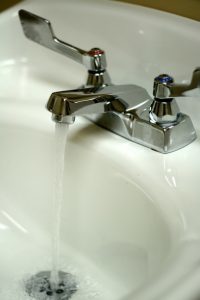
You come back from an extended vacation and turn on the faucet in the bathroom for the first time in weeks. You’ll expect the water to have a brownish-red tint to it, but it will soon fade as the sink gets back into action. But when you spot this ruddy color in the water at other times, it may mean you’ve got rust in the plumbing system. The water will give off a metallic odor as well.

Is this unhealthy?

With the exception of a condition called hemochromatosis, people who drink rust in water won’t suffer ill health effects. Rust is oxidized iron, which isn’t harmful. But this doesn’t mean you should tolerate having rust in your home’s water. It looks ugly, for one, and it also can cause staining to fixtures, surfaces, and your dishes.

The source of the rusty water—and the solutions

The big concern is not so much the rusty water itself as what is causing it. It might be a problem with the municipal water supply. If you find rusty water flowing from all the taps in the house, both hot and cold, that often means an outside source of contamination. Call the water company to inform them of the problem.

If the reddish water is only coming from the cold water line or the hot water lines, the problem is somewhere in the house’s plumbing. If the discoloration is coming from the hot water lines, your water heater is probably dying. When corrosion starts to gnaw away at a water heater, the system needs to be replaced. Call a professional plumber for this service right away.

Rusty water from the cold water lines doesn’t bring much better news: the trouble is likely the pipes that have corroded with age. This is common in older homes that have plumbing of steel or cast iron. We recommend contacting a professional plumber to see if you need to have repiping done to replace this material with copper and plastic.

When you need professional plumbing in Silver Spring, MD from a contractor with experience and training, call on us. We offer all the above work and more.

Mallick Plumbing & Heating Is the Service Contractor of Choice! We serve Maryland, Virginia, and the District of Columbia.
Why Is My Toilet Leaking

Handling plumbing in bathrooms is a huge part of the job of any professional plumber. The reason is simple: there are more plumbing pipes and fixtures in a bathroom than in any other room in the house—including the kitchen. People are likely to notice bathroom plumbing issues soon after they start and move fast to have them fixed. That’s the right instinct. When you think you need a plumber in Rockville, MD to repair your bathroom’s plumbing, get in touch with us and we’ll get the job done. We offer 24-hour emergency service for your convenience.

What Causes A Toilet To Leak?

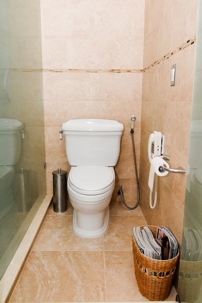
Speaking of emergencies … is your plumbing problem a leaking toilet? This is common trouble, and there’s no single source for it. We’re going to list some of the possible reasons this is happening to your toilet, but only a professional plumber can do a proper diagnose and fix the problem.

Leaky Gaskets

The rubber gaskets between where the tank is connected to the bowl can dry up and deteriorate over time.

  • When this happens, water will begin to leak from the tank and flow down onto the floor.
  • Plumbers can put in new gaskets to stop this.
  • Loose tanks bolts are a similar cause of leaking.

Loose Feed Line

The feed line is the flexible rubber tube coming from the wall that delivers fresh water into the tank.

  • If the line starts to loosen, it will mean escaping water.
  • The frequent cause of this is a broken fill valve nut.
  • Water can also start leaking from around the valve that shuts off the feed line in cases of emergencies.

Failed Wax Ring

Have you noticed the water leaking seems to be escaping from around the base of the toilet? In this case, the problem is a failed wax ring. The wax ring is the seal against water escaping from the pipe in the bottom of the unit. The ring can shrivel up with time.

  • The only option to repair a failed ring is to have it replaced.
  • A new ring doesn’t cost much, but the job necessary to replace it—unbolting and removing the whole toilet—is one you must to leave to a professional plumber.

Cracked Porcelain Bowl

Damage to the porcelain of the toilet bowl is a serious issue. If you notice any crack in the toilet bowl, even if you don’t see any leaking yet, call for a plumber immediately. In most situations, the only solution is to have the bowl—or the entire toilet—replaced.

Dangers Of Leaks

We want to stress how important it is to have plumbers repair a leaking toilet as soon as possible. These leaks not only waste water, but they can also inflict water damage to the bathroom floor.

  • Water damage is expensive to remediate and creates mold and mildew trouble.
  • Worst of all is that it weakens building material.

Toilets have even collapsed through floors because of water damage! Please don’t let your leaking toilet even close to that kind of disaster—put in a call to our plumbers and we’ll take it from there.

Mallick Plumbing & Heating Is the Service Contractor of Choice throughout Maryland, Virginia, and the District of Columbia.
What Is Causing That Drain Clog?

Our plumbers handle a huge number of different jobs, from installing new piping for homes to extensive commercial plumbing services. But we know that when most people think of “plumbers,” the first job they think of is “drain unclogging.” Drain clogs are the most common plumbing hassle and drain cleaning to fix clogged or slow drains are one of the most important parts of our day-to-day operations.

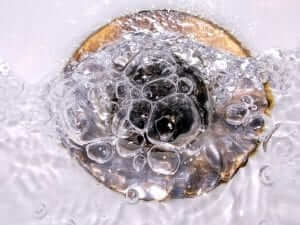
A reason clogs are so common is that there are so many different things that can cause them to start in drain pipes. Below we’ll try to answer this most frequently asked of all plumbing questions, “What’s clogging up my drain?”

Hair

Hair clogs are the bane of bathroom drains. Sink, shower, and bathtub drains often draw in a lot of loose hair. The hair strands become stuck in the p-trap, the curved section of pipe beneath the drain. Once lodged there, the hair will begin to ensnare other hair as well as debris, leading to a tangle that can slow down the drainage or stop it completely. These clogs are tough to clear out thoroughly without the assistance of professional plumbers. We recommend using drain covers to slow down hair accumulation.

Soap scum

It’s hard to stop soap from going down drains around the house. If you’ve ever seen soap caked onto a soap dish, you’ll have some idea of how tough and obstinate soap scum build-up is. Not only does this build-up threaten to clog the drain, but it can also create chemical reactions with the pipe material leading to corrosion. (A potential chemical reaction between soap and liquid drain cleaners is one of the reasons no professional plumbers recommend using these store-bought “cleaners.”)

Food and FOG

This is the big trouble for kitchen drains. Food particles and fats, oils, and grease (FOG) wash down the drains—but often not all the way. FOG is particularly tenacious: when the hot liquid cools down, it changes into a waxy solid that is tough to remove from pipe walls without using professional tools like hydro-jetting. This organic accumulation can also lead to unpleasant odors from the drains and the appearance of drain flies.

Hard water minerals

Many homes have problems with hard water, which is water with high levels of calcium and magnesium. The minerals leave scale behind in the pipes, which slow drains and even clog them entirely. Professional drain cleaning can remove this scale, but we also recommend you look into having a water softener installed to attack the trouble at its source. Your entire plumbing system will thank you!

Small objects knocked over into the drains

Finally, bottle tops, children’s toys, and other small objects that might accidentally fall down a drain are another leading cause of clogs. Again, we recommend putting drain covers over your drains to stop this problem from happening in the first place.

Solving any of these drain clog troubles is as easy as contacting us for drain cleaning in Frederick, MD or elsewhere in our service area. We also offer routine drain cleaning to see that your drains have as few clogs in the future as possible.

Mallick Plumbing & Heating: The Service Contractor of Choice in Maryland, Virginia, and the District of Columbia.
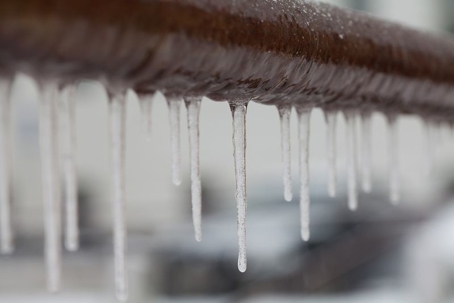
Reminder about Frozen Pipes (What to Do and NOT to DO)

As we head into the seriously cold weather of the winter, a concern you may have about your plumbing (and a concern you should have) is pipe freeze. We’ve previously written about what causes frozen pipes to burst, and it’s definitely something you want to watch out for. We recommend taking precautions now to help prevent pipe freeze, such as disconnecting outside hoses, insulating hose bibs, and checking to see that exposed pipes have insulation sleeves.

What do you do, however, when you do end up with frozen pipes? We have some advice on what you shouldn’t do…

Don’t…

  • Use any type of space heater, kerosene heater, or acetylene torch to attempt to thaw out the pipe. For one thing, this may cause the pipe to burst because of the sudden increase in pressure. For another, it’s potentially dangerous.
  • Use a hair dryer to thaw the pipes. Not only will this not be enough heat to thaw the pipes, but there’s also an electrocution damage potential.
  • Ignore it. Pipe freeze is something that needs to be fixed ASAP!

But what should you do?

Do…

  • Call for professional plumbers. This is one of our fields of expertise, and we can have frozen pipes fixed fast and without danger of bursting.
  • Open up the faucet at the end of a frozen pipe. This will help relieve the pressure within the pipe and make a burst pipe much less likely.

Once the pro lumbers arrive, they’ll be able to take over the job from there. They’ll also help you with advice and installations that will help prevent more frozen pipes in the future.

You have great plumbers available in Potomac, MD to help you out when pipe freeze strikes! Our plumbers are ready to help you 24-hours a day for any plumbing emergency.

Mallick Plumbing & Heating is the Service Contractor of Choice in Maryland, Virginia, and the District of Columbia.
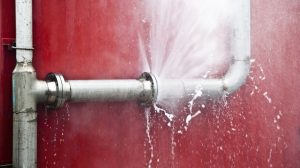
Avoiding Emergencies with an Automatic Shut-Off Valve

We know that if at all possible you want to avoid calling for an emergency plumber in Rockville, MD—or wherever your house is in our service area. We understand, of course. Our expert plumbers are always ready to come to your assistance, and we offer 24-hour emergency plumbing service because we know that plumbing problems don’t obey schedules and calendars or care much what time of night it is. When you need that burst pipe or gushing broken faucet fixed, you can count on us to be on the job.

But let’s talk prevention because, as we said above, you don’t want to be in a situation where you’re calling up a 24-hour service plumber. And you’d also like to have peace of mind about plumbing problems striking when you can’t call for a plumber, such as a broken fixture creating flooding while you’re off on a vacation (something that’s a big concern at this time of year).

An Automatic Shut-Off Valve Is a Great Prevention Device

We recommend all homes in our service area have an automatic shut-off valve (also called an emergency shut-off valve) installed in their plumbing if they don’t have one already. These valves are attached to the main water line as it enters the home, close to the manual shut-off valve.

(Reminder: If you don’t know exactly where the manual shut-off valve is, make sure you locate it. You may at times need to shut off water to the whole house. Hopefully, not in emergencies—that’s the job of the automatic shut-off valve.)

What the automatic shut-off valve does is right there in its name: when water starts to flood from a burst pipe or other plumbing fiasco in the home, the valve shuts off water flow into the house on its own. There are a number of ways these automatic shut-off valves can work. One of the most common is a pressure sensor. If there is a sudden drop in pressure in the water line, it often means water is being lost through a large leak. The pressure drop causes the valve to swing closed. The valve may also work through sensors placed strategically around the house, such as in the basement, that will detect water where it shouldn’t be and then send an electronic signal to the valve to close.

If you have a water leak emergency, the shut-off valve will close off the flow of water to the house so that no further damage is done from the burst pipe or other problems. You can then arrange for the necessary repairs without panic. But best of all, the shut-off valve will offer you the relief of knowing you already have an emergency plumber of a sort guarding your home when you’re not there. You won’t have to worry about major plumbing accidents causing serious damage to your house.

Our plumbers install and service automatic shut-off valves. If you already have one for your home, contact us for regular maintenance to ensure it works when you need it. If you don’t have one, there’s no time like the present to schedule installation.

Mallick Plumbing & Heating is the service contractor of choice in Maryland, Virginia, and the District of Columbia.
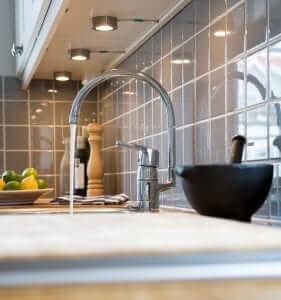
Is It Time to Replace Your Old Kitchen Sink?

If you’re reading this, you have some reason to have the current sink in your kitchen removed and replaced. There are a couple of reasons you might be debating this change:

  • You’re just tired of the look of the old sink. It’s been there for years—probably since before you moved into the house—and you’d like a fresh kitchen look without having to do an extensive remodel.
  • The sink isn’t flexible enough for your cooking needs. You’d like multiple bowls, better faucets, more space, etc.
  • You’re looking to have the current material of the sink replaced with something more durable.
  • The sink has damage, such as cracks or leaking around the sides, and it’s not the type of damage that a localized fix will remedy.

Whatever the reason, you’re ready to have the old sink tossed out and a new one put in. To handle this type of sink plumbing in Bethesda, MD, you’ll want to look to experienced plumbers to help you through all the steps so you end up with a great new sink.

Don’t Try to DIY This Job!

You can type in a few keywords into an Internet search engine, and the Internet will “reward” you with numerous pages and videos explaining how you can replace a kitchen sink on your own. These get clicks, but they aren’t actually helpful.

Replacing a kitchen sink is a big job. Just removing the original sink takes a great deal of work. If you want to make an upgrade to a new kind of sink—and we definitely recommend this—then the job becomes even more complex. Making mistakes with installing kitchen plumbing can have major consequences, such as leaking and water waste. A sink that isn’t correctly sealed into place can leak around its edges and develop mold and mildew troubles.

You not only are assured of an excellent sink installation when you turn to professionals, but you’ll also save time. The new installation is a fast job for plumbers with training and experience.

Choosing the New Sink

Another way professionals assist you when it comes to sink installation is helping you find the right new model. With so many different options for the layout of the sink and the different materials, you might feel worried you’ll end up with the wrong sink for your needs. Our plumbers are here to help you with making the best choice.

Arrange for Your New Sink Installation Today

It’s too late to have a new sink put in in time for Thanksgiving, but starting out the rest of the holiday season with a refreshed kitchen is a great way to give yourself an early gift—and to head into the New Year with an improved kitchen workspace. Contact us to get started.

Also, keep us in mind if you do decide to go with a complete kitchen remodel. We can handle the plumbing remodeling work that’s necessary to see your new kitchen works without leaks or water waste.

Mallick Plumbing & Heating is the Service Contractor of choice in Maryland, Virginia, and the District of Columbia.

Bathroom Plumbing Jobs to Leave to a Plumber

No other room in your house has more plumbing concentrated in it than the bathroom(s). The kitchen may seem like it has more fixtures and pipes, but not only does the bathroom contain more plumbing, it can account for more than 50% of all freshwater use in your home. When it comes to taking care of plumbing issues, from repairs to new fixture installations, the bathroom is the place where most of the work in your house will be done.

And the people to do those jobs are usually licensed plumbers. Yes, you can sometimes unclog a drain or toilet using a basic plunger. A simple hand-crank drain snake can remove hair from a shower drain. You can replace a washer in a leaky faucet. But any bathroom plumbing job more complicated than these requires calling an expert plumber with the best equipment. Below are some of these important jobs you should let a plumber take care of.

Leaking toilet

Water starting to gather around the base of a toilet is a reason to make an immediate call to a plumber. This can be a major plumbing emergency, and you don’t want to risk the sort of damage that can be done to the building material around the toilet. (You’ve heard those stories about a toilet crashing through the floor? Well, although uncommon, this can happen—and it’s because of a floor weakened from water damage.) There are a variety of reasons for toilet leaks, and you need a plumber to find the source and fix it.

Obstinate clogs

You have a clog in a sink or the toilet that isn’t responding to a standard plunger or drain snake. So what’s the next step? It shouldn’t be reaching for a store-bought “drain cleaner,” which is a bunch of caustic chemicals that can end up harming your drains while doing an inferior job. You need professional drain cleaning using top equipment to fix the problem. We use special Bio-Clean® to provide safe and effective drain cleaning.

Broken P-trap

The p-trap is the curved section of pipe under a drain, and its job is to maintain a water plug so sewer gas won’t travel the wrong direction up the drainpipe. This section might break or come loose, allowing water to fall directly into the cabinet below. Trying to fix this yourself risks poor connections that will allow for slow leaking, so please leave this to a plumber.

Sink replacement

A cracked sink will need to be replaced, and you want a professional plumber to take care of this. It’s essential the sink is properly sealed to prevent leaks around the edges, which can create numerous problems. When you call on an experienced plumber for the replacement, the job will get done fast and correctly, leaving you with few worries.

When you have to call on a plumber in Frederick, MD, for any of these problems, simply reach out to us. We offer 24-hour service to ensure you get the help you need when you need it.

Mallick Plumbing & Heating is the Service Contractor of Choice. Our service area covers Maryland, Virginia, and the District of Columbia.

Places in Your Kitchen Plumbing That May Need Repairs

The most plumbing in a home is concentrated in the bathrooms. In fact, the toilets alone account for 40% of indoor freshwater use in a house. People often assume that the kitchen has the most plumbing. Although not technically true, it’s not a bad assumption to make if it means you pay close attention to the plumbing fixtures and pipes in this part of the home. Most kitchens receive an immense amount of use from day to day, and for households that do plenty of entertaining, the kitchen plumbing becomes critical.

Like almost all residential plumbing, any repairs done to the pipes or fixtures in a kitchen must be left to licensed plumbers. Below are some of the common parts of your kitchen plumbing in Silver Spring, MD that may require professional repairs. We’re here to help, and we offer 24-hour emergency service!

The Kitchen Sink Drain

The two drains in a household that are most likely to clog are the shower drain and kitchen sink drain. The shower drain has to deal with hair going down it, and the kitchen sink drain … well, stop and think about all the food particles, grease, and oil that get washed down it, and you’ll start to see why this drain may need a plumber’s attention. When clogs strike the sink, they usually can’t be removed using just a basic plunger; the build-up will need special drain cleaning services.

The Garbage Disposal

One reason that sink drains don’t clog even more often is thanks to the work of the garbage disposal unit, which grinds down food waste so it can safely travel into the sewer line (thus helping to keep it out of landfills). However, garbage disposals go through plenty of abuse in the form of objects that are hard for them to grind down and which shouldn’t go down in them. Even with the best precautions, a disposal may break and need to be repaired.

The P-Trap

This is part of the sink drain, but a specific part that can break and come loose, leading to a basically unusable kitchen. The p-trap is the curved pipe section under the drain that traps a water plug to prevent sewer gas from flowing the wrong direction up the pipe. The p-trap can start to leak or come loose from the sink, and water will then fall straight into the cabinet below. Get a plumber on this right away so you can use the sink again.

Faucets

The leaky faucet is an infamous plumbing problem, and it’s also an immense waste of water. Most people are familiar with tightening up a faucet nozzle to stop leaking, but faucets can also start to leak around their base as they get older, which in turn can cause construction material damage. Repairs in these cases usually involve having a new faucet put in.

Along with all the repair jobs we do for kitchen plumbing, we also offer plumbing service for kitchen remodeling. We’ll make sure that all the plumbing for your newly redesigned kitchen works just the way it should.

Mallick Plumbing & Heating—The Service Contractor of Choice!

What to Do with an Overflowing Toilet

Now here’s an emergency with household plumbing everybody dreads, one that’s likely to send people into a panic: a toilet that starts to overflow when flushed!

But there’s no need to panic. It’s easy to stop the problem immediately and take care of some potential damage so you can get a professional plumber out to your house to handle whatever repairs are necessary. Below we’ve listed some steps for the best way to handle this problem in your bathroom plumbing in Potomac, MD.

Steps to Take with an Overflowing Toilet

First, turn off the valve on the feed line to the toilet tank. This is the plastic piping that comes from the back of the wall and connects to the tank. The fresh water that fills up the tank after each flush comes through this line. Turn the valve counterclockwise to shut off the flow of water.

But what if your toilet doesn’t have a valve on the feed line? This is possible for older toilets (and we recommend having a new toilet installed in the near future since a toilet this old is probably wasting water). But you can still stop the water. Open up the lid of the tank—and be cautious about it since a broken tank lid is an expensive repair. Pull up the chain in the tank and place something under it to keep it propped up. This will stop the water flow to the tank.

Now place down newspapers or towels around the toilet base to soak up the water. You don’t want water seeping down into the flooring material, nor do you want it to spread around—the water may contain bacteria and other contaminants.

You can try to use a plunger at this point to see if a simple clog is the source of the problem. We otherwise advise you call on your local 24-hour licensed plumber for assistance. We have great staff on the job to help you with any plumbing emergency.

Mallick Plumbing & Heating Is the Service Contractor of Choice.