How Hard Water Damages Your Plumbing (and What to Do About It)

If you live in the Gaithersburg, Rockville, or Frederick area, your home almost certainly has hard water. While hard water isn’t a health hazard, it quietly causes damage throughout your plumbing system that adds up over time. Here’s how it works, what it costs you, and how to protect your home.

What Hard Water Does to Your Pipes

Hard water contains dissolved calcium and magnesium. As water flows through your plumbing, these minerals gradually deposit on the interior walls of your pipes—a process called scaling. Over months and years, these deposits build up and narrow the pipe diameter, restricting water flow.

The effects are cumulative and often invisible until the problem is advanced:

  • Reduced water pressure — Scale narrows pipe openings, which lowers flow to faucets and showerheads throughout your home
  • Increased risk of clogs — Scale creates rough surfaces that catch debris, grease, and soap buildup, leading to more frequent drain clogs
  • Corrosion and pinhole leaks — Mineral deposits can accelerate corrosion in copper pipes, eventually causing leaks that require repiping

The Impact on Your Water Heater

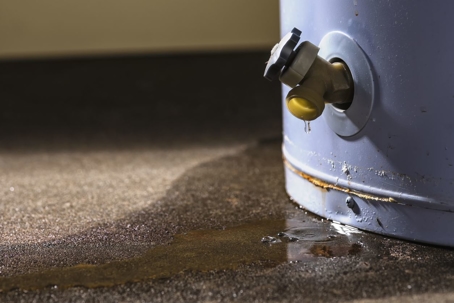
Your water heater takes the hardest hit from hard water. When water is heated, minerals precipitate out of solution faster and settle at the bottom of the tank as sediment. This layer of scale:

  • Reduces efficiency — The burner has to heat through the sediment layer to reach the water, using more energy and driving up utility bills
  • Causes noise — Popping and rumbling sounds from your water heater are often caused by steam bubbles escaping through sediment
  • Shortens lifespan — A water heater working harder due to scale buildup wears out years sooner than it should. Hard water can cut a tank water heater’s lifespan by 2 to 4 years

Tankless water heaters aren’t immune either. Scale buildup on the heat exchanger reduces efficiency and can trigger error codes that shut the unit down until it’s cleaned.

What Hard Water Costs You

The U.S. Department of Energy estimates that scale buildup of just 1/16 of an inch on a water heater heating element can increase energy consumption by nearly 10 percent. Multiply that across years of hard water exposure and add in the cost of premature appliance replacement, more frequent plumbing repairs, and wasted soap and detergent, and the true cost of untreated hard water becomes significant.

How to Protect Your Home

The most effective solution is a whole-house water softener installed at the point where water enters your home. A softener removes calcium and magnesium before they can reach your pipes, fixtures, and appliances.

In addition to a softener, annual water heater flushing removes existing sediment and keeps your unit running efficiently. For homes with severe scaling, a pressure reducing valve can also help by preventing high-pressure conditions that accelerate mineral deposit formation.

At Mallick Plumbing & Heating, we help homeowners across Gaithersburg, Frederick, Rockville, and the surrounding Maryland area fight back against hard water. We offer professional water testing, water softener installation, and water heater maintenance to protect your plumbing and extend the life of your appliances. Schedule a water test to get started.
Is Drinking Softened Water Safe?

Many homeowners are familiar with the benefits of soft water provided by water softener systems. Soft water offers advantages such as smoother skin, softer laundry, and reduced limescale buildup in plumbing fixtures.

However, concerns about the safety of drinking softened water can arise. At Mallick Plumbing & Heating, the comfort and safety of your family is our priority. We’re here to help you understand soft water and how it can benefit your household.

Understanding Softened Water

Before delving into the safety aspect, it’s essential to understand what soft water is and how it’s produced. Soft water is water that has undergone a process called ion exchange, where calcium and magnesium ions, responsible for water hardness, are replaced with sodium or potassium ions. This process effectively reduces the hardness of the water, resulting in softer water that is gentler on the skin and appliances.

Is Softened Water Safe to Drink?

The safety of drinking softened water is a topic of debate among experts and homeowners alike. Let’s separate fact from fiction:

1. Sodium Content: One of the primary concerns associated with softened water is its sodium content. During the ion exchange process, sodium ions are added to the water, leading to a slight increase in sodium levels. While this may be a concern for individuals on a low-sodium diet or those with certain health conditions, the amount of sodium added by water softeners is generally considered minimal and unlikely to pose health risks for most people.

2. Potassium Alternative: For individuals who are concerned about sodium intake, many water softener systems offer potassium chloride as an alternative to sodium chloride. Potassium chloride effectively softens water without adding sodium, making it a suitable option for those seeking to reduce their sodium intake.

3. Water Supply Considerations: In areas with naturally soft water, such as Gaithersburg, Maryland, where the water supply already has low levels of calcium and magnesium, additional softening may not be necessary. It’s essential to assess the hardness of your water supply before installing a water softener to avoid over-softening and potential health concerns.

Benefits of Softened Water: Despite the concerns surrounding sodium content, drinking softened water is generally considered safe for most individuals. In fact, softened water offers numerous benefits, including improved taste and clarity, reduced limescale buildup in pipes and appliances, and enhanced effectiveness of soaps and detergents.

The safety of drinking softened water largely depends on individual circumstances and preferences. For most people in Gaithersburg, Maryland, where water quality is generally good, drinking softened water is considered safe and offers numerous benefits for both health and home.

Mallick Plumbing & Heating provides expert advice and installation services for water softener systems. Whether you’re considering a water softener for your home or have questions about the safety of softened water, our team is here to assist you every step of the way.

Contact us today at (301) 804-6759 learn more about soft water and how it can improve the quality of life for you and your family.

Can I Use a Water Softener and Water Filter Simultaneously?

As a homeowner in Gaithersburg or the surrounding area of Maryland, individuals often seek solutions to improve the quality of their water supply.

Water softeners and water filters are two popular options for addressing different aspects of water quality. But can you use them simultaneously? Mallick Plumbing & Heating is here to provide clarity on this topic and explore the compatibility and benefits of using both water softeners and water filters together.

Water Softeners

Water softeners are designed to remove minerals like calcium and magnesium from hard water, replacing them with sodium or potassium ions through a process called ion exchange. This softens the water, reducing limescale buildup in plumbing fixtures and appliances and providing benefits such as softer skin and hair.

Water Filters

Water filters, on the other hand, are designed to remove impurities and contaminants from water, improving its taste, odor, and clarity. Different types of water filters target specific contaminants, including sediment, chlorine, heavy metals, and microorganisms, depending on the filtration system’s design and media.

Compatibility of Water Softeners and Water Filters

While water softeners and water filters serve distinct purposes, they can complement each other effectively when used simultaneously.

1. Addressing Different Water Quality Concerns: Water softeners primarily target water hardness by removing minerals, while water filters focus on removing impurities and contaminants. By using both systems together, you can address a broader range of water quality issues, ensuring that your water is both soft and clean.

2. Continuous Filtration: Some homeowners choose to install water filters upstream of the water softener in their plumbing system. This setup allows the water filter to remove contaminants before the water reaches the softener, preserving the softening resin and extending its lifespan.

3. Comprehensive Water Treatment: Using both a water softener and water filter simultaneously provides comprehensive water treatment, offering benefits such as softer, cleaner water for drinking, cooking, bathing, and household chores. This approach ensures that your entire home enjoys improved water quality and performance.

Benefits of Using Water Softeners and Water Filters Together

  1. Improved Water Quality: Using a water softener and water filter at the same time ensures that your water is both soft and free from impurities and contaminants, providing optimal taste, odor, and clarity.
  2. Extended Appliance Lifespan: By removing minerals and impurities from the water supply, water softeners and filters help prevent limescale buildup in appliances like water heaters, dishwashers, and washing machines, extending their lifespan and efficiency.
  3. Healthier Home Environment: Clean, soft water is gentler on skin and hair, reduces scale buildup on plumbing fixtures, and enhances the effectiveness of soaps and detergents, contributing to a healthier and more comfortable home environment.

Using a water softener and water filter together offers numerous benefits for homeowners in Gaithersburg and surrounding areas of Maryland. By addressing both water hardness and impurities, this dual approach ensures comprehensive water treatment, resulting in softer, cleaner water throughout your home.

Mallick Plumbing & Heating offers expert advice and installation services for water softeners and water filters in Gaithersburg and other parts of Maryland. Whether you’re considering one or both systems for your home, our team is here to help you find the ideal solution for your water quality needs.

Contact us today at (301) 804-6759 to learn more about our water treatment options and take the first step towards enjoying the benefits of clean, soft water in your home.

Understanding the Plumbing Needs of Older Homes

As charm-filled and character-laden as older homes in Gaithersburg and surrounding areas of Maryland can be, they often come with unique plumbing challenges that require careful attention.

Understanding that maintaining the plumbing systems of older homes involves a nuanced approach and the assistance of Mallick Plumbing & Heating. Our licensed and insured plumbers handle everything that’s associated with older homes, focusing on leak detection, piping, bathroom plumbing, and kitchen plumbing.

If you have any questions about your home’s plumbing, contact us at (301) 804-6759!

Leak Detection in Older Homes

One of the primary concerns in older homes is the increased likelihood of leaks due to aging pipes. Regular leak detection is crucial to identify and address issues promptly. Professional plumbers can utilize advanced techniques, such as infrared technology or acoustic sensors, to pinpoint hidden leaks in walls, ceilings, or foundations without causing unnecessary damage to the home’s structure.

Piping Systems in Older Homes

Older homes often feature outdated piping materials – such as galvanized steel or lead. These materials are more prone to corrosion and can impact water quality. Upgrading to modern materials like copper or PEX can improve water flow, prevent corrosion, and enhance the overall integrity of the plumbing system. A comprehensive inspection by plumbing experts can assess the condition of existing pipes and recommend necessary upgrades.

Bathroom Plumbing Considerations

Bathroom plumbing in older homes may have outdated fixtures and plumbing configurations. Upgrading to water-efficient toilets, faucets, and showerheads not only conserves water but also improves the overall functionality of the bathroom. Additionally, inspecting and replacing worn-out seals, gaskets, and pipes can prevent leaks and water damage.

Kitchen Plumbing Upgrades

Kitchens in older homes might have outdated plumbing systems that don’t align with modern demands. Upgrading kitchen plumbing involves assessing the condition of pipes, fixtures, and appliances. Installing energy-efficient dishwashers, garbage disposals, and updating sink fixtures can enhance both the functionality and sustainability of the kitchen.

Benefits of Addressing Plumbing Needs in Older Homes

  1. Preventing Water Damage: Timely leak detection and plumbing upgrades prevent water damage to the structure and foundation of older homes.
  2. Improving Water Quality: Upgrading piping materials enhances water quality, addressing concerns related to corrosion or outdated plumbing materials.
  3. Enhancing Energy Efficiency: Kitchen and bathroom plumbing upgrades contribute to energy efficiency, reducing water and energy consumption.
  4. Preserving Home Value: Proactive plumbing maintenance and upgrades contribute to the overall value and marketability of older homes.

Understanding and addressing the unique plumbing needs of your older home in Gaithersburg or the surrounding Maryland areas requires a combination of expertise and tailored solutions.

Contact us at (301) 804-6759 to ensure that your charming older home enjoys a plumbing system that seamlessly integrates modern efficiency with timeless appeal! 

Pure and Simple: How Water Quality and Expert Plumbing Services Affect the Lifespan of Your Plumbing

Did you know August is Water Quality Month?

Maintaining the health of your home’s plumbing system involves more than just fixing leaks and unclogging drains, but the purity of your water and the expertise of your plumbing service provider play vital roles in extending the lifespan of your plumbing as well.

In Gaithersburg, Maryland, where concerns about water contamination, heavy metals, and water supplies are prevalent, understanding the connection between water quality, professional plumbing services, and plumbing longevity becomes crucial.

Water Contamination and Plumbing Services

Water contamination is a pressing issue in Gaithersburg. Pollutants and impurities present in your water supply can lead to the gradual deterioration of pipes and fixtures. This is where the expertise of Mallick Plumbing & Heating comes into play. Our plumbing services not only address immediate plumbing concerns but also provide solutions to counter the effects of water contamination. Regular maintenance and timely repairs can help mitigate damage caused by contaminated water. Want to know what Water Treatment System is best for you, your family and your home? We can help.

Addressing Heavy Metals with Professional Help

Heavy metals, such as lead and copper, can leach into your water supply, posing threats to both your plumbing and the health of your appliances. Mallick Plumbing & Heating offers specialized services to combat the adverse effects of heavy metals, including our complimentary 5-Point Check. Our team of skilled professionals can install water treatment systems and recommend filtration solutions to safeguard your plumbing and ensure the purity of your home’s drinking water.

Quality Water Supplies and Plumbing Expertise

Many Gaithersburg and Maryland homeowners know how important it is to understand your home’s water quality. Mallick Plumbing & Heating offers comprehensive water quality testing services that assess potential risks to your plumbing system. We conduct a thorough analysis of the presence of contaminants and advise on necessary measures to maintain your home’s plumbing longevity.

Expert Plumbing Solutions for Longevity

At Mallick Plumbing & Heating, we believe in a holistic approach to plumbing care. Our expert plumbing services encompass not only immediate repairs but also long-term solutions. By addressing water quality issues at their root and utilizing cutting-edge technology, we help preserve your plumbing system’s lifespan. Whether it’s repairing corroded pipes or upgrading fixtures, our team is dedicated to ensuring the efficiency and durability of your plumbing.

With Mallick Plumbing & Heating, you have a partner who understands the intricate relationship between water quality and plumbing longevity. Our comprehensive services not only resolve immediate plumbing issues but also proactively safeguard your plumbing system from the effects of water contaminants. Prioritize your plumbing’s health and your family’s safety by entrusting your plumbing needs to experts who value both the purity of your water and the longevity of your plumbing system.

Call Mallick Plumbing & Heating Today at (301) 804-6759 to learn more about how your water quality is impacting your home’s plumbing system. 

5 Benefits of a Water Softener

In the heart of Gaithersburg, Maryland, residents understand the significance of a reliable and high-quality water supply. Hard water, typically containing large sources of Magnesium and Calcium, can be a common concern for homeowners and cause issues to homeowners’ plumbing system, appliances and fixtures over time.

Fortunately, the installation of a house Water Softener will offer a practical solution that brings a myriad of benefits to both households and the environment. Here’s 5 benefits to why you should consider adding a Water Softener to your home. 

Five Benefits of a Water Softener

1. Smaller Amounts of Soaps and Detergents

With a Water Softener in place, you’ll find that smaller amounts of soaps and detergents go a long way. The softened water allows these cleaning agents to lather more effectively, leading to better cleaning results from your detergent, soap or body wash. This not only reduces your overall consumption of cleaning products – whether it be for your dishes or skin and hair — but also contributes to cost savings over time.

2. Cleaner and Brighter Laundry

Say goodbye to dull and lackluster laundry! Soft water ensures that your clothes are thoroughly cleaned and rinsed, leaving them softer, brighter, and more vibrant after every wash. The absence of mineral deposits in soft water prevents clothes from becoming stiff or discolored, resulting in a more appealing and comfortable wardrobe.

3. Reduced Staining, Spotting, and Scaling

Hard water can leave unsightly stains on dishes, glasses, and fixtures. Water softener systems effectively eliminate these stains and reduce spotting, leaving your kitchen and bathroom surfaces sparkling clean. Additionally, the reduction of mineral deposits prevents scaling on faucets, showerheads, and tiles, minimizing the need for constant scrubbing, cleaning and maintenance.

4. Prevents Scale Build-Up in Pipes, Fixtures, and Appliances

One of the most significant benefits of a water softener is its ability to prevent scale build-up in your plumbing system, fixtures, and appliances. Mineral build-up accumulation can lead to decreased water flow, and reduced appliance efficiency. This in turn can impact your system, forcing it to work harder to produce the same results, which will eventually lead to the breakdown of your system. By using a Water Softener, you’ll extend the lifespan of your plumbing system and appliances, ensuring they function optimally for years to come.

5. Extended Water Heater Life Expectancy

Water heaters are a significant investment for any home. Water treated with a Mallick Plumbing & Heating installed Softener helps maintain the efficiency of your water heater by preventing mineral accumulation in its heating element. As a result, your water heater won’t have to work as hard to heat the water, leading to increased energy efficiency and a longer overall lifespan for the appliance.

Water Softeners are a great solution for customers who have hard water and ready to benefit from its usage. From reducing your soap usage to extending your standard or tankless water heater’s life expectancy, Water Softeners are a great solution to Gaithersburg and Maryland homeowners.

Contact Mallick Plumbing & Heating Today at (301) 804-6759 to learn more about Water Softeners and the benefits it provides.

3 Reasons It’s Time to Update Your Water Treatment System

Ensuring a reliable and clean water supply is vital for homeowners in Gaithersburg, Maryland, and surrounding areas. With the increasing concerns about water quality, it’s crucial to evaluate the effectiveness of your current water treatment equipment. Mallick Plumbing & Heating recommends your system to be evaluated by a professional every six months to a year.

Ready to have your Water Treatment System inspected? Call our experts at (301) 804-6759.

By investing in high-quality filtration systems from a professional, you can enjoy numerous benefits and ensure a healthier and safer water supply for your home for a long time.

  1. Enhanced Water Filtration: The primary purpose of water treatment equipment is to eliminate impurities and contaminants from your water supply. Over time, the effectiveness of filtration systems can decline due to aging or outdated technology. By upgrading your water treatment equipment, you can benefit from advanced filtration technologies that provide superior removal of harmful substances. These cutting-edge systems, which are constantly being updated and upgraded, can efficiently eliminate chlorine, sediment, heavy metals, bacteria, and other impurities, resulting in a cleaner, fresher, and safer water supply for your household.
  2. Consistent High-Quality Water: Outdated water treatment equipment may struggle to maintain a consistent level of water quality. Inadequate filtration can result in unpleasant taste, odor, or discoloration, compromising the overall quality of your water supply. Upgrading your equipment ensures a more reliable and consistent delivery of high-quality water throughout your home. Modern filtration systems use advanced technologies such as activated carbon filters, reverse osmosis, and ultraviolet disinfection to effectively remove contaminants, resulting in clean, crisp, and odorless water that you can trust for drinking, cooking, and daily household use.
  3. Health to Your Plumbing System: At Mallick Plumbing & Heating, we like to identify the reason for broken plumbing being either Water Quality or Water Pressure, which we work tirelessly to solve for you. If you Water Treatment system is working efficiently, you can prevent building in appliances and your water heater. However, when your water treatment system isn’t removing minerals, heavy metals or other impurities, it will more than likely shorten the life expectancy of your plumbing system, which lead to a startling surprise.

Updating your water treatment equipment in Gaithersburg, Maryland, and surrounding areas is a wise decision to ensure a high-quality water supply. By enhancing water filtration, maintaining consistent quality, and promoting health and safety, you can enjoy clean, refreshing water that meets the needs of your entire household.

Remember, when it comes to your water supply, quality matters. Upgrade your water treatment equipment with Mallick Plumbing & Heating today for a healthier and safer home environment.

Call the Mallick Plumbing & Heating team at (301) 804-6759 with any questions or to book an appointment!

How to Choose the Right Water Treatment System for Your Home

Clean and safe water is essential for maintaining a healthy and comfortable lifestyle in your home. However, your home’s water can often contain impurities and contaminants that affect its taste, smell, and overall quality. Investing in a water treatment system unique to your home can significantly improve the water you and your family consume.

In this blog post, we will discuss the signs that indicate you need a water treatment system, how to determine the right water treatment solution for your home and provide a brief explanation of popular water treatment technologies such as Reverse Osmosis (RO), Ultraviolet (UV) Purification, Filtration, and Water Softeners.

If you’re a resident of Gaithersburg, Maryland, or other surrounding Maryland areas, Mallick Plumbing & Heating can help you find the perfect water treatment system for your needs.

Call Mallick Plumbing & Heating today to learn more about a Water Treatment System for your home at (301) 804-6759.

Signs You Need a Water Treatment System

  1. Foul Taste and Odor: If your tap water has a strange or unpleasant taste and odor, it may indicate the presence of contaminants, which may pose threat to your plumbing system’s health. A water treatment system can effectively eliminate these impurities, providing you with clean and refreshing water and protect your home’s plumbing system.
  2. Discoloration: Noticeable discoloration, such as brown or yellow water, can be a sign of high iron content or other minerals in your water. This is one of the more noticeable indications of poor water quality, which a suitable water treatment system can address and improve.
  3. Scale Buildup: Scale buildup on fixtures and appliances, as well as poor soap lathering, can be caused by hard water. A water softener is an effective solution to reduce the hardness of water by removing minerals like calcium and magnesium, which typically cause this.

Have you experienced any of these signs with your water? Call Mallick Plumbing & Heating today to learn about your options (301) 804-6759.

What Water Treatment is Right for Me?

Determining the right water treatment system for your home depends on various factors, including the quality of your water and your specific needs. When considering water treatment for your home, it is important to consult a professional. Mallick Plumbing & Heating offers a range of water treatment options designed to address different water concerns, including:

  1. Reverse Osmosis (RO) Systems: RO systems remove contaminants, impurities, and dissolved solids from your water. They are effective in removing heavy metals, chemicals, and bacteria, providing you with purified drinking water. This process is often used by bottled water companies, but this system can also work for you in your home as well.
  2. Ultraviolet (UV) Purification: UV purification systems use ultraviolet light to disinfect water by neutralizing harmful bacteria, viruses, and other microorganisms. UV purification is a chemical-free method that ensures the water you consume is free from harmful pathogens.
  3. Filtration Systems: Filtration systems employ various filters to remove sediments, chlorine, and other common contaminants. They can improve the taste, odor, and clarity of your water, providing you with cleaner and healthier water for everyday use.
  4. Water Softeners: Water softeners are specifically designed to combat hard water problems. They use a process called ion exchange to remove minerals responsible for water hardness, preventing scale buildup and prolonging the lifespan of your plumbing system and appliances.

Choosing the right water treatment system for your home in Gaithersburg, Maryland, or surrounding areas is crucial to ensure clean, safe, and great-tasting water for you and your family. If you’re experiencing signs such as foul taste, odor, discoloration, or scale buildup, it’s time to consider investing in a water treatment solution.

To ensure your water treatment system will last a long time and produce healthy water throughout your home, our Mallick Plumbing & Heating experts can assess your water quality and help you select the most suitable system to meet your specific needs.

Contact Mallick Plumbing & Heating today at (301) 804-6759 to find the perfect water treatment system and enhance the quality of your tap water.

Common Causes of Low Water Pressure in Your Maryland Home

Low water pressure can be a frustrating issue that affects many Maryland homeowners. It can make simple tasks like showering, washing dishes, and watering the garden more difficult and time-consuming. In this blog post, we will discuss the top five common causes of low water pressure in your Maryland home and provide tangible solutions to help you resolve these issues.

Clogged Pipes and Fixtures

Clogged pipes and fixtures are the most common causes of low water pressure. Over time, minerals like calcium and magnesium can build up in your pipes, restricting water flow and causing low pressure.

How to fix it:

  • Remove and clean the aerators on your faucets to remove any mineral buildup.
  • Use a commercial pipe cleaner or a mixture of vinegar and baking soda to dissolve and remove mineral deposits in your pipes.
  • If the problem persists, consider contacting a professional plumber, like Mallick Plumbing & Heating, Inc, to inspect and clean your pipes.

Old or Corroded Pipes

As pipes age, they can become corroded or damaged, leading to low water pressure. This is especially common in older homes with galvanized steel pipes prone to rust and corrosion.

How to fix it:

  • Inspect your pipes for signs of corrosion, leaks, or damage.
  • If you find any issues, contact a professional plumber to assess the situation and recommend the best action, including replacing the affected pipes.

Water Leaks

Water leaks in your plumbing system can cause low water pressure and wastewater and increase utility bills. Common signs of a water leak include damp spots on walls or floors, mold or mildew growth, and a sudden increase in water usage.

How to fix it:

  • Inspect your home for signs of water leaks, paying close attention to areas around pipes, faucets, and appliances.
  • If you suspect a leak, contact a professional plumber to locate and repair the issue.

Pressure Regulator Issues

Your home’s water pressure regulator is a device that controls the water pressure entering your home from the main water supply. If the regulator is not functioning correctly, it can cause low water pressure.

How to fix it:

  • Check the pressure regulator by attaching a water pressure gauge to an outdoor faucet and turning on the water. If the pressure is below the recommended 40-60 psi range, you may need to adjust or replace the regulator.
  • If you need help with this, contact a professional plumber for assistance.

Municipal Water Supply Issues

Issues with your local water supply can also cause low water pressure. This can include a drop in water pressure due to high demand, maintenance work, or problems at the water treatment plant.

How to fix it:

  • Contact your local water utility company to inquire about any known issues or scheduled maintenance affecting your water pressure.
  • If the problem persists, consider installing a water pressure booster pump to increase the water pressure in your home.

In conclusion, low water pressure can be caused by various factors, including clogged pipes, old or corroded pipes, water leaks, pressure regulator issues, and municipal water supply problems. By identifying the cause and implementing the appropriate solution, you can improve the water pressure in your Maryland home.

Contact Mallick Plumbing & Heating, Inc for expert plumbing services and advice on resolving your low water pressure issues!